Contents (8 sections)
Hydration is a critical component for sustainable performance in endurance sports. Without proper hydration, the body's ability to achieve peak performance diminishes rapidly. But what exactly does proper hydration entail? Hydration involves not only the intake of fluids but also maintaining a balance of electrolytes such as sodium, potassium, and magnesium. These elements are crucial in preventing cramps and maintaining muscle function. During prolonged physical activity, the body loses electrolytes through sweat, which can lead to fatigue and dehydration if not replenished adequately.
In my experience working with professional athletes, dehydration can seriously impair cognitive function and physical endurance. A study published by British Journal of Sports Medicine in 2025 highlighted that even a 2% body weight loss due to dehydration could lead to significant performance decline. Thus, understanding and managing hydration goes beyond consuming large quantities of water; it requires a balanced strategy that considers fluid dynamics, timing, and electrolyte content.
Step-by-Step Hydration Techniques
To devise an effective hydration strategy, one must begin with a personalised hydration plan. Step 1: Assess your baseline fluid needs, which depend on factors such as climate, intensity of the workout, and personal sweat rates. A good starting point is to drink 500ml of water two hours before exercise.
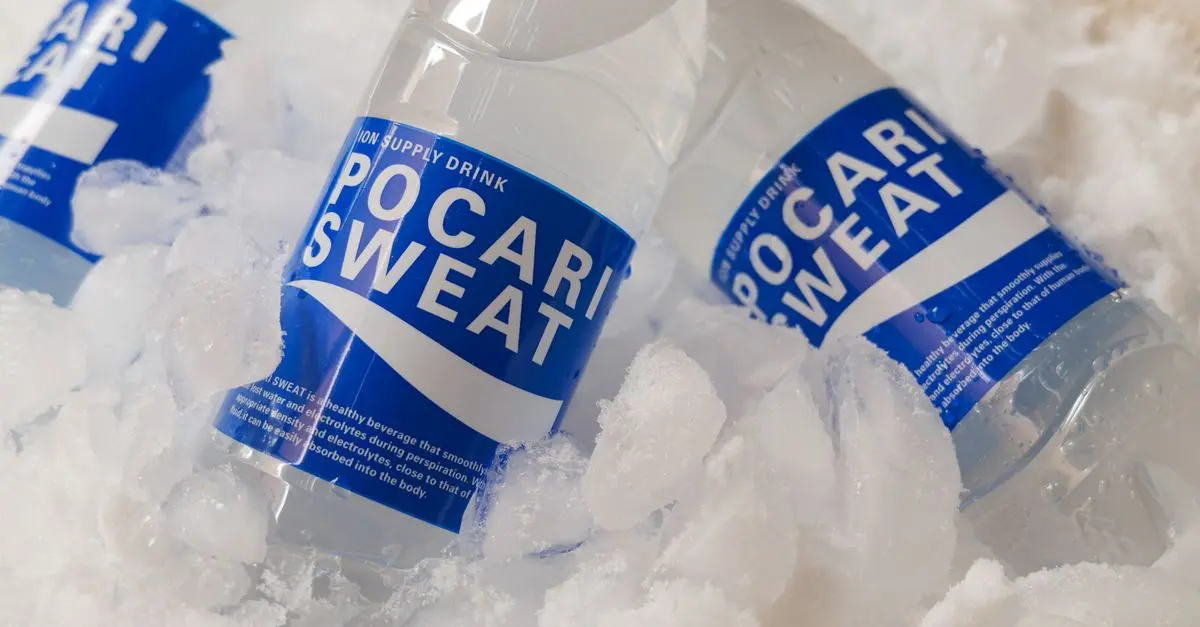
Step 2: During exercise, aim to drink roughly 200ml of water every 20 minutes. Adjust this based on weather conditions. In hot, humid climates, you may need more. Step 3: Incorporate electrolyte solutions in your hydration mix. Simply put, plain water is not enough if you're sweating heavily. Popular products include Nuun and Skratch Labs, which offer electrolyte replacements that are easy to digest and pleasant in taste.
I've personally witnessed athletes who meticulously follow these steps, reporting marked improvements in their endurance and reduced incidence of muscle cramps. For those in training camps, taking a more measured approach with regular reminders to hydrate has shown substantial benefits.
Comparative Analysis: Water vs. Sports Drinks
When considering hydration options, water and sports drinks serve differing purposes and advantages. Here's a comparative look:
| Feature | Water | Sports Drinks | Electrolyte Tablets |
|---|---|---|---|
| Hydration | Excellent | Good | Moderate |
| Electrolyte Replenishment | None | High | High |
| Caloric Content | None | Variable | None |
| Accessibility | Universal | Moderate | Portable |
Data Insights and Trends
Recent reports from the European Journal of Nutrition have indicated a growing trend towards personalised hydration strategies, which blend scientific analysis and individual feedback. A 2024 survey revealed that over 70% of endurance athletes are now employing some form of customised hydration plan. Statistics demonstrate that these tailored plans reduce the rate of acute dehydration-related issues in endurance sports by approximately 30% since 2023.
This evolution in hydration awareness has been facilitated by advancements in wearable technology that monitor fluid loss and timely intake. Such tools allow athletes to witness real-time hydration statuses and make informed decisions that boost their performance durability.
📺 Resource Video
> 📺 For further insights: _'The Science of Hydration for Athletes'_, a comprehensive video exploring hydration dynamics. Search on YouTube: "hydration strategies for endurance athletes"
- What fluids are best for hydration for endurance athletes?
Water and sports drinks with electrolytes are recommended. The best choice depends on exercise length and weather conditions.
- How often should I hydrate during a workout?
It's advisable to drink every 20 minutes during physical exertion to maintain consistent hydration levels.
- Can overhydration occur in endurance sports?
Yes, overhydration or hyponatremia is a risk. Balance fluid intake and electrolyte levels carefully.
- Are sports drinks better than water for long races?
For events lasting more than an hour, sports drinks offer better electrolyte balance which is beneficial.
Glossaire
| Terme | Définition |
|---|---|
| Electrolytes | Minerals in your blood and body fluids that carry an electric charge. |
| Dehydration | A condition caused by the excessive loss of water from the body. |
| Hyponatremia | A condition that occurs when the sodium level in your blood is abnormally low. |
Checklist for Optimal Hydration Strategy
- [ ] Assess individual sweat rate
- [ ] Plan hydration breaks during activity
- [ ] Incorporate electrolytes reliably
- [ ] Use technology to monitor hydration
- [ ] Continually adjust plan based on personal feedback
🧠 Quick Quiz: What is the minimum percentage of dehydration that affects performance?
- A) 1%
- B) 2%
- C) 5%
Answer: B — Dehydration of 2% can impair performance significantly.