Contents (8 sections)
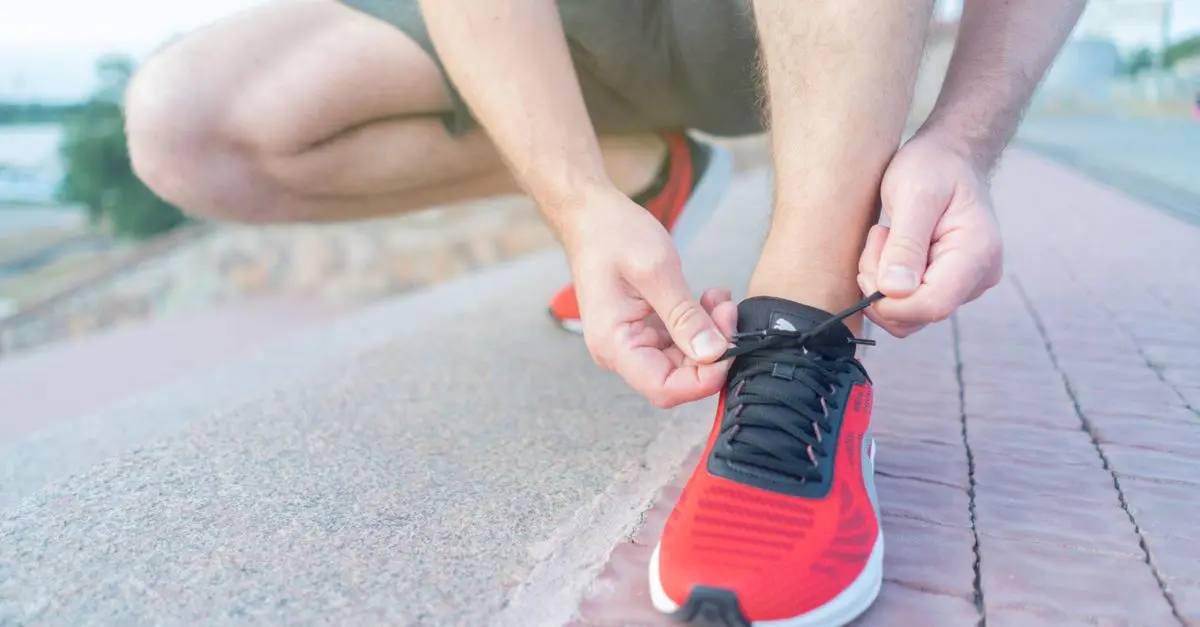
Selecting the right running shoes is crucial for both performance and injury prevention. The proper footwear can enhance your running experience and ensure comfort, while the wrong pair can lead to discomfort or injuries. Here’s a practical guide to help you navigate the myriad of choices available.
1. Understand Your Foot Type
Before purchasing running shoes, it’s essential to understand your foot type. There are three primary categories: neutral, flat, and high-arched. Each foot type has different requirements for support and cushioning.
- Neutral Feet: If your foot arches appear normal, you’re likely neutral, and most shoes will suit you.
- Flat Feet: Those with flat arches often overpronate, leading to potential overuse injuries. Look for stability or motion-control shoes that offer extra support.
- High-Arched Feet: High-arch runners usually underpronate. Cushioning shoes are ideal to absorb shock and provide comfort.
To determine your foot type, try the 'wet test', where you step on a piece of cardboard or paper with wet feet. This impression helps you understand your arch type. Knowing your foot type aids you in finding shoes that cater to your specific needs, thereby enhancing your running efficiency and comfort.
2. Consider Your Running Style
Everyone has a unique running style that affects their shoe selection. Running gait refers to how your foot strikes the ground while running. There are generally three types: overpronation, neutral pronation, and underpronation (or supination).
- Overpronation: Your foot rolls inward excessively. Look for shoes with extra cushioning and stability to mitigate injuries.
- Neutral Pronation: Your foot strikes the ground evenly. Most shoes are suitable for neutral pronators, focusing on comfort and flexibility.
- Underpronation (Supination): Your foot rolls outward. Shoes that offer substantial cushioning are vital for these runners.
You can analyse your running style by visiting a specialty running store where professionals can observe your gait and recommend shoes that complement your mechanics. Additionally, consider the terrain you typically run on, whether it’s roads, trails, or tracks, as different terrains may require specific features in shoes.


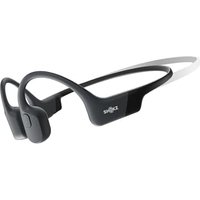
SHOKZ OpenRun Mini Bone Conduction Headphones, Open-Ear Bluetooth Sports Earphones with Mic, IP67 Waterproof Wireless Headset for Running, Workout, 8H
Amazon Sellers Programme (UK)
3. Get the Right Fit
The fit of your running shoes is perhaps the most pivotal aspect. Poor fit can lead to blisters or injury. Always try on shoes at the end of the day when your feet are slightly swollen to ensure a perfect fit.
Here are some important considerations:
- Length and Width: Ensure there's a thumb's width of space between your longest toe and the front of the shoe. Shoes should fit snugly without pinching.
- Heel Fit: Your heel should fit snugly in the back of the shoe without slipping. If you feel movement, try a different size.
- Arch Support: Ensure the shoes support the arch of your foot comfortably. This drastically improves stability and comfort.
Always try shoes with the type of socks you usually wear while running, and take a few strides in them to gauge comfort. Remember to assess both shoes, as feet can be different sizes.
4. Know When to Replace Your Shoes
Even the best running shoes wear out. Recognising when to replace them can help prevent injuries. Generally, running shoes should be replaced every 300 to 500 miles, depending on the runner's weight, running style, and the type of shoe.
- Signs of Wear: Check for signs like worn-out treads, a lack of cushioning, or discomfort during runs.
- Performance: If you find yourself tiring more quickly or experiencing aches that were not present before, it may be time for new shoes.
Keeping a track of your miles can help you determine when a replacement is due. Conversely, some brands provide guarantees or warranties, so check these details when purchasing. Remember, investing in a new pair sooner can save on potential injury costs later.
5. Budget Wisely
While it can be tempting to choose the cheapest option available, investing in the right running shoes is crucial. Quality shoes often cost more but are designed to last longer and provide greater support. Consider the following when budgeting:
- Quality vs Price: Investing in high-quality shoes typically saves money in the long run due to durability and lower injury rates.
- Sales and Discounts: Look out for seasonal sales or discounts from reputable brands to find a pair that's both high-quality and within your budget.
- Research & Reviews: Before making a purchase, read reviews and customer feedback on various models. This will help you evaluate which shoes offer the best value for their performance.
In summary, your running shoes are a vital investement in your running journey. Choose wisely, considering your foot type, running style, fit, wear-and-tear, and budget to ensure the most enjoyable and injury-free experience possible.
Checklist before buying:
- [ ] Identify your foot type.
- [ ] Analyse your running style.
- [ ] Ensure a proper fit.
- [ ] Monitor shoe wear regularly.
- [ ] Set a budget and research products.
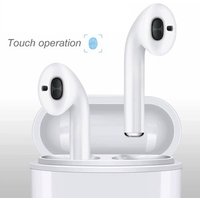
2019 new Classic In-ear Stereo Sports i11/ Bluetooth Earphone For Running V5.0
Alibaba UK
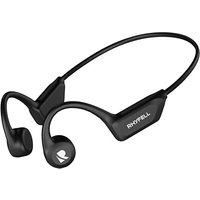
Bone Conduction Headphones, Bluetooth 6.0 Sport Headphones, 8h Battery Life, 28g Lightweight,Type-C, Suitable for Running, Cycling and Fitness, Black
Amazon Sellers Programme (UK)
Glossary
| Terme | Définition |
|---|---|
| Pronation | Le mouvement du pied lors de la course, qui détermine le point d'impact et influence le type de chaussures nécessaire. |
| Cushioning | Système d'amortissement dans les chaussures visant à réduire les chocs lors de l'impact. |
| Stability Shoes | Chaussures conçues avec des caractéristiques spécifiques pour aider à contrôler le mouvement excessif du pied (surpronation). |
> 🧠 Quiz rapide : Quel type de chaussure conviendrait le mieux à un coureur avec un pied plat ?
> - A) Stabilité
> - B) Amorti
> - C) Minimaliste
> Réponse : A — Les coureurs avec les pieds plats nécessitent souvent des chaussures de stabilité qui offrent un soutien supplémentaire.
📺 Pour aller plus loin: Watch our guide on finding the right running shoes for an extensive overview of selection techniques. Search for: "how to choose running shoes 2026".
📺 Pour aller plus loin : how to choose running shoes 2026 sur YouTube
Recommended products
Selected by our experts
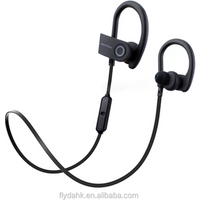
G5 Sports Running In-Ear Wireless Earphone Stereo Earbuds Ear Hook Headset Earphones Wireless with Mic for iPhone 6 Phone.
Alibaba UK

Manufacturer Multifunctional Bluetooth Speaker Watch for Running, Jogging, Hiking, Cycling Accessories
Alibaba UK

SHOKZ OpenMove Bone Conduction Headphones, Open-Ear Bluetooth Sports Earphones with Mic, IP55 Waterproof Wireless Headset for Running and Workout, 6H
Amazon Sellers Programme (UK)
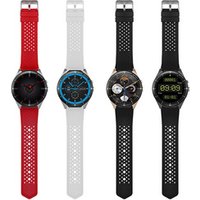
KingWear Waterproof outdoor sport GPS smart watch with dynamic heart rate monitor running biking climbing walking compass
Alibaba UK