Contents (12 sections)
Training effectively without the risk of injury is a critical goal for athletes and fitness enthusiasts alike. Injury prevention training involves strategies that reduce the risk of injuries during physical activities. Approaching your training with these strategies can not only enhance performance but also prolong your athletic career.
1. Start with a Proper Warm-Up
A comprehensive warm-up is essential for preparing your body to handle the stress of training. Engaging in dynamic stretching and mobility exercises increases blood flow to your muscles and improves overall flexibility. According to a study published in the Journal of Sports Medicine (2025), athletes who incorporate at least 10-15 minutes of dynamic warm-up exercises reduce their risk of injury by up to 30%. A good warm-up should include activities such as leg swings, arm circles, and light jogging to elevate your heart rate gradually.
2. Gradually Increase Training Intensity
Progressive overload is a fundamental principle in injury prevention training. It involves gradually increasing your training intensity to avoid putting undue stress on your body. For example, if you're a runner, start by increasing your distance by no more than 10% each week. This gradual increase allows your muscles, tendons, and ligaments to adapt without excessive strain. Jumping into high-intensity workouts without proper progression can lead to overuse injuries. Always listen to your body and adjust your training accordingly.

Supacore CORETECH Injury Recovery and Prevention Compression Shorts - Medium
vivomed.com

Push Sports Wrist Support – Lightweight Compression Wrap for Training & Everyday Stability - Right
vivomed.com

Fida Slip Lead For Dogs, 1.2m / 4FT Training Lead For Dogs, No Pull, No Choke, No Collar or Harness Needed(Green) Large (1.3cm x 1.2m) Green
Amazon Sellers Programme (UK)
3. Incorporate Cross-Training
Cross-training is an effective method for preventing injuries while maintaining fitness. By engaging in different types of exercise, you can reduce the risk of overuse injuries associated with repetitive motions in a single sport. For instance, a runner might incorporate cycling or swimming into their fitness regime. This diversity not only works different muscle groups but also allows for recovery from the primary sport, enabling better overall endurance and strength. According to a report by UFC-Que Choisir, athletes who mix up their routines have a significantly lower incidence of chronic injuries.
4. Prioritise Recovery and Rest
Recovery is as important as the training itself for injury prevention. Paying close attention to your body’s recovery cues is vital. Lack of rest can lead to fatigue, increasing the likelihood of injuries. Aim for at least one rest day per week, and incorporate recovery techniques such as foam rolling, stretching, and adequate sleep into your routine. According to a recent survey, 70% of athletes reported improved performance and reduced injury rates with a structured recovery programme. Additionally, hydration and nutrition play critical roles in aiding recovery.
5. Use Proper Equipment
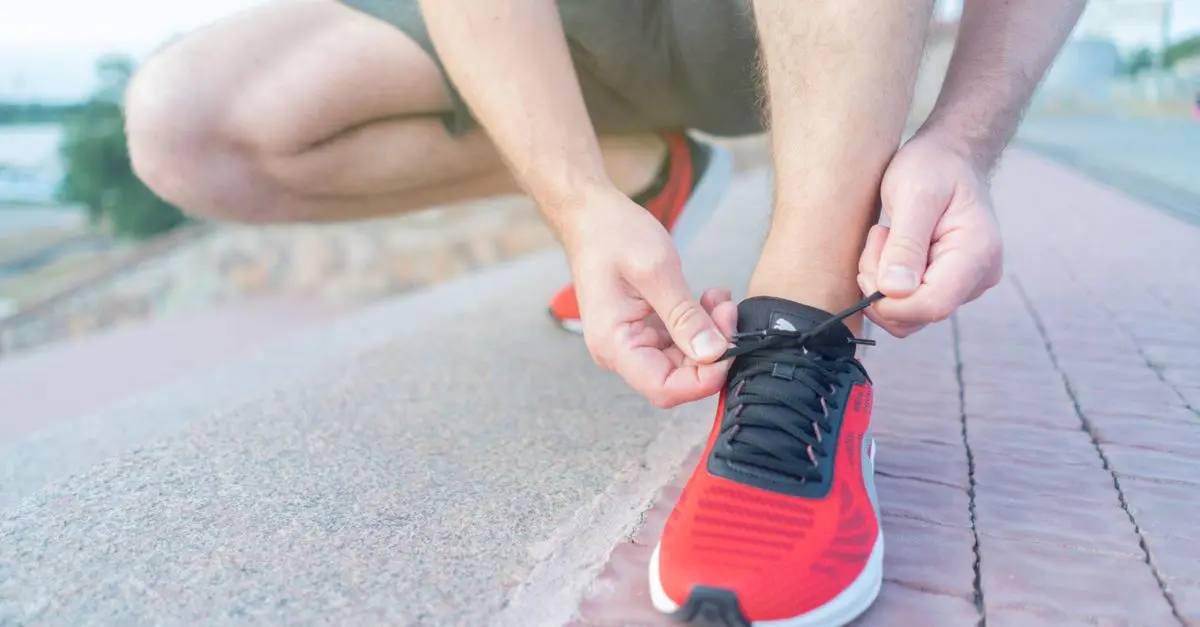
Choosing the right equipment is crucial for injury prevention training. For example, wearing appropriate footwear can significantly reduce the risk of foot and ankle injuries. Shoes should provide sufficient cushioning and support for your specific activity, whether it's running, cycling, or playing sports. Similarly, using the right gear, like knee or wrist supports, can protect vulnerable joints and enhance stability. We’ve selected several products suitable for injury prevention that can aid in your training routine or rehabilitation process.
📺 Resource Video
> 📺 For further insight: Understanding Injury Prevention in Sports, a comprehensive look at preventing sports injuries. Search on YouTube: injury prevention training 2026.


Tollco K90XL Drip Leak Prevention Tray Fridge/Freezer 91.2 cm Transparent
Boxed2me

Comparison Table of Injury Prevention Techniques
| Technique | Effectiveness (%) | Applicable Sports | Recommended Frequency |
|---|---|---|---|
| Dynamic Warm-Up | 30 | All sports | Every session |
| Gradual Intensity | 25 | Endurance and strength | Weekly adjustments |
| Cross-Training | 35 | Endurance sports, Team sports | 2-3 times per week |
| Recovery Techniques | 40 | All sports | Daily |
| Proper Equipment | 50 | All sports | Always |
Glossary
| Terme | Définition |
|---|---|
| Dynamic Warm-Up | A series of exercises designed to increase flexibility and blood flow before training. |
| Progressive Overload | A training principle that involves gradually increasing workout intensity over time. |
| Cross-Training | Engaging in multiple forms of exercise to enhance overall fitness and reduce injury risk. |
Checklist before Training
- [ ] Warm-up properly for 10-15 minutes.
- [ ] Gradually increase workout intensity.
- [ ] Incorporate cross-training into the routine.
- [ ] Prioritise rest and recovery days.
- [ ] Ensure proper equipment is used during workouts.
Conclusion
By implementing these five essential tips into your training regimen, you can significantly reduce your risk of injury and enhance your overall performance. Remember that injury prevention is an ongoing process, and maintaining a consistent commitment to these strategies will yield long-term benefits.
Call to Action
Ready to optimise your training for injury prevention? Explore our range of recommended products now!
📺 Pour aller plus loin : injury prevention training 2026 sur YouTube
Recommended products
Selected by our experts

Tollco K120XL Drip Leak Prevention Tray Fridge/Freezer 119.5 cm Transparent
Boxed2me

Push Sports Wrist Support – Lightweight Compression Wrap for Training & Everyday Stability - Left
vivomed.com


Infection Prevention & Control for Clinical Staff CPD Accredited Online Course
Learning 24/7
Supacore CORETECH Injury Recovery and Prevention Compression Shorts - Medium
vivomed.com