Contents (13 sections)
Improving sports performance is an aspiration for athletes, whether professional or amateur. It involves not just physical training, but also mental strategies and lifestyle adjustments that can help individuals reach their peak capabilities. This guide outlines 10 easy ways that anyone can implement to elevate their game, regardless of the sport they participate in.
1. Set Clear Goals
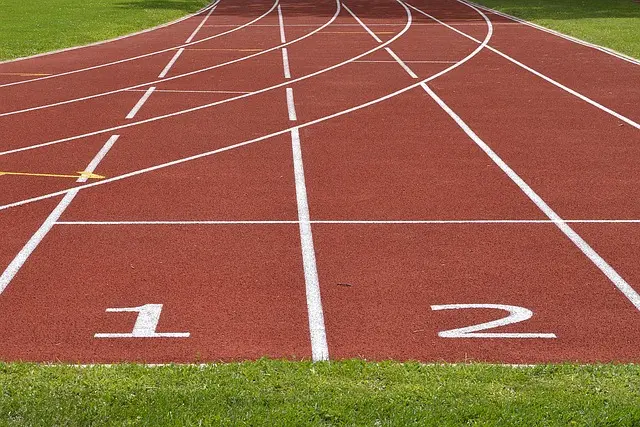
Setting specific, measurable, achievable, relevant, and time-bound (SMART) goals is paramount in any performance enhancement strategy. Whether aiming to reduce a lap time, increase strength, or master a new skill, clear goals help maintain focus and motivation. Research has shown that goal-setting enhances performance by increasing athlete commitment and motivation, creating a roadmap for achievement. When you set your targets, incorporate both short-term and long-term goals to create a balanced approach. For instance, improving your 400m sprint time by one second over the next month can be a short-term goal leading to a long-term performance benchmark.
2. Prioritise Nutrition
Diet plays a crucial role in sports performance. A well-balanced diet rich in carbohydrates, proteins, fats, vitamins, and minerals fuels your body for optimal performance and recovery. According to experts, athletes should aim for a ratio of 60% carbohydrates, 25% protein, and 15% fats. Keeping hydrated and including nutrient-dense snacks, like nuts and fruits, can minimise fatigue during training. Meal planning around training schedules ensures that athletes eat correctly before and after exercises, promoting recovery and muscle growth. Nutrition courses are available that can educate athletes on the science behind their dietary choices.


Viewsonic LSC700-4K data projector Standard throw projector 7000 ANSI lumens 3LCD UHD 4K (3840x2160) White
Back to the Office

3. Implement a Training Plan
Creating a structured training plan tailored to your specific sport will enhance your performance. This plan should encompass various training aspects - skill practice, strength conditioning, and flexibility work. For example, a football player could structure their week to include gym sessions, on-field drills, and recovery periods. Consistency in following this plan allows for progressive overload, which is essential for improving physical performance. Tracking workouts helps identify what works and what needs adjustment, allowing for ongoing improvement.
4. Focus on Mental Resilience
Sports performance is as much a mental game as it is a physical one. Techniques such as mindfulness, visualization, and relaxation exercises can help athletes manage pressure and maintain focus during competitions. Athletes who adopt mental training strategies, according to a survey by Sport Psychology Journal, report improved performance and reduced anxiety. Practising these exercises regularly can condition your mind to stay calm and effective under pressure, leading to better performance outcomes.
5. Emphasise Recovery
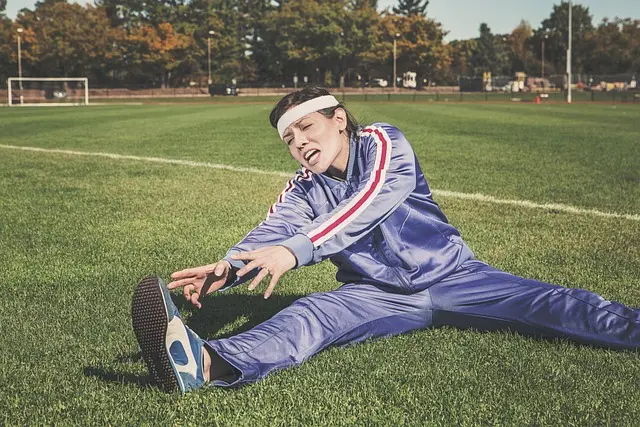
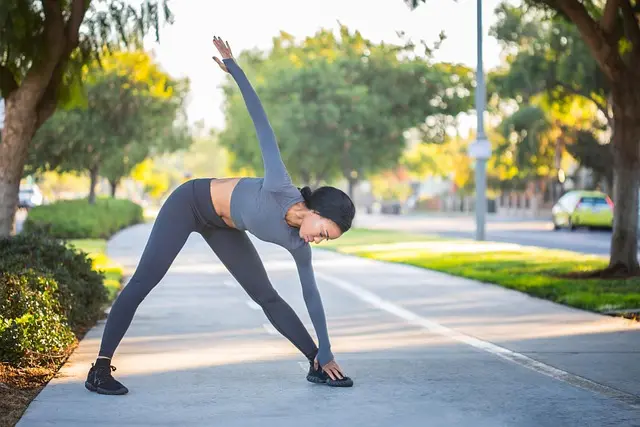
Recovery is often overlooked yet is vital for improved sports performance. Incorporating adequate rest and recovery practices, such as sleep, stretching, and physiotherapy, helps reduce the risk of injury and enhances performance. For example, studies show that sleep deprivation negatively impacts reaction time and physical endurance. Additionally, implementing active recovery days, where lighter exercises are performed, can aid in muscle recovery without sacrificing fitness levels.
6. Utilise Technology
Modern technology has brought significant advancements in sports performance tracking. Gadgets like fitness trackers and apps can monitor heart rate, calories burned, and sleep patterns. This data allows athletes to make informed decisions about their training intensity and recovery needs. Wearable technology can provide feedback that helps athletes refine techniques or identify weaknesses, thus improving performance metrics over time. Exploring different options can help find the tools best suited to your specific sport.

Sony BRC-H800 Dome IP security camera Indoor 1920 x 1080 pixels Ceiling/Floor
Back to the Office

Viewsonic LSC601-4K data projector Standard throw projector 6000 ANSI lumens 3LCD UHD 4K (3840x2160) White
Back to the Office

Viewsonic LSC701-4K data projector Standard throw projector 7000 ANSI lumens 3LCD UHD 4K (3840x2160) White
Back to the Office
7. Cross-Train
Cross-training involves engaging in different sports or physical activities to enhance overall athleticism. For example, a runner might include swimming or cycling in their training regimen to build endurance and strength without the impact stress associated with running alone. Not only does this prevent burnout, but it also enhances coordination and flexibility, ultimately benefiting your primary sport. Research from the Journal of Strength and Conditioning Research suggests that cross-training can improve overall fitness levels and performance.
8. Seek Professional Guidance
Working with a coach or sports nutritionist can provide personalised training and nutritional plans, optimising your performance. Expertise can help identify areas for improvement that may not be obvious. For instance, a coach can provide valuable insights into technique that could be the difference between good and great performance. Additionally, nutritionists can tailor diets to fit individual needs based on goals, body types, and metabolic rates, enhancing overall sports performance.
9. Stay Consistent
Consistency is the bedrock of improvement in sports performance. Adhering to your training and nutrition plans, even when motivation wanes, will produce results over time. Establishing a routine and sticking to it can further embed these changes into your lifestyle, making it less likely that you will revert to less productive habits. Celebrate small victories along the way to keep morale high and constantly reinforce your commitment to your goals.
10. Join a Community
Participating in a sports community or group can enhance motivation and foster a sense of belonging. Whether it’s a local club or an online forum, engaging with others who share similar goals can provide support, knowledge, and friendly competition. Studies show that athletes who train in a social environment perform better due to increased accountability and encouragement.
Summary Checklist Before Implementing Changes
- [ ] Set SMART goals
- [ ] Evaluate your nutrition
- [ ] Create a structured training plan
- [ ] Practice mental resilience techniques
- [ ] Prioritise recovery time
- [ ] Explore sports performance technology
- [ ] Incorporate cross-training activities
- [ ] Consider professional coaching
- [ ] Maintain consistency in training
- [ ] Engage with a supportive community
Glossary
| Terme | Définition |
|---|---|
| Hydratation | Processus de consommation suffisante de liquides pour maintenir la santé. |
| Cross-Training | Entraînement dans plusieurs types d'activités physiques pour améliorer l'endurance générale. |
| Technique | Manière spécifique d'exécuter un mouvement dans le sport, influençant l'efficacité. |
> 📺 Pour aller plus loin : Fitness Training Tips, une analyse complète des stratégies de performance. Recherchez sur YouTube : "fitness training enhancement techniques 2026".
📺 Pour aller plus loin : fitness training enhancement techniques 2026 sur YouTube
Recommended products
Selected by our experts


Amazfit T-Rex 2 3.53 cm (1.39") AMOLED 47 mm Digital 454 x 454 pixels Touchscreen Black GPS (satellite)
Back to the Office

TCL C6K -UK 98 inch Premium QD-Mini LED 144Hz 4K HDR High Brightness Dolby Atmos Smart Google TV
Back to the Office


ASUS ROG Strix SCAR 16 G635LW-RW041W laptop Intel Core Ultra 9 275HX 40.6 cm (16") WQXGA 32 GB DDR5-SDRAM 2 TB SSD NVIDIA GeForce RTX 5080 Wi-Fi
Quzo UK