Contents (12 sections)
Stretching before sports is a crucial aspect of any athletic routine. It not only prepares your muscles and joints for physical activity but also plays a significant role in preventing injuries. By incorporating effective stretching techniques, athletes can improve their performance and overall experience in sports. This guide offers a comprehensive approach to stretching before sports, outlining key techniques, common pitfalls, and expert tips for athletes at all levels.
Why is Stretching Important?
Stretching helps to increase blood flow to muscles, enhance flexibility, and improve range of motion. According to the American College of Sports Medicine, engaging in stretching can reduce muscle stiffness and improve athletic performance. Additionally, stretching aids in the prevention of injuries such as strains and sprains. For instance, a study published in the Journal of Orthopaedic & Sports Physical Therapy reported that athletes who stretched regularly were 50% less likely to suffer from injuries compared to those who did not.
Moreover, stretching helps to mentally prepare athletes for their performance. It serves as a warm-up routine that signals the mind and body that it’s time to switch to an athletic mindset. This helps improve concentration and focus as well.
Steps to an Effective Stretching Routine
Step 1: Dynamic Warm-Up
Dynamic stretching is crucial before engaging in sports. Start with a dynamic warm-up that includes movements like leg swings, arm circles, and lunges with a twist. This type of stretching helps prepare your body for the physical demands of the sport you are about to engage in. Aim for about 5-10 minutes of dynamic stretches to effectively raise your heart rate and increase circulating blood flow to your muscles. Avoid static stretching during this phase, as it can temporarily weaken your muscles.
Step 2: Target Specific Muscle Groups
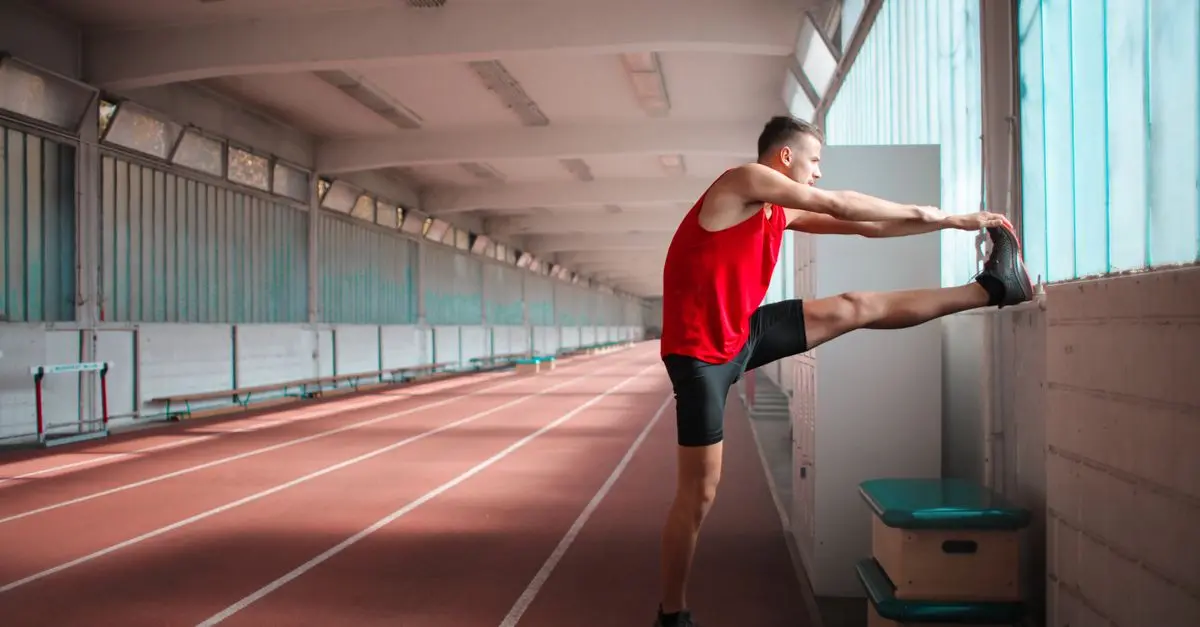
Identify the muscle groups that are most relevant to your sport. For instance, runners should focus on their hamstrings, quadriceps, calves, and hips, whereas a swimmer might concentrate on their shoulders, back, and legs. Spend at least 15-20 seconds on each stretch, gently easing into the position. Remember, the goal is to elongate and warm-up the muscles, not to push them to their limits.
Step 3: Incorporate Functional Movements
This step involves combining movements that mimic the actions you will perform in your sport. For football players, exercises such as high knees, butt kicks, and lateral shuffles can be beneficial. This not only prepares your muscles and joints but also activates the neuromuscular patterns essential for athletic performance.
Step 4: Cool Down with Static Stretching
After your activities, take time to cool down with static stretching to help your muscles recover. Hold each stretch for 20-30 seconds. This phase is vital for flexibility and can contribute to muscle recovery. For instance, after a running session, perform stretches focusing on the hip flexors, quadriceps, hamstrings, and calves. Cooling down helps reduce muscle soreness and tightness.
Step 5: Stay Consistent
The key to real benefits from stretching is consistency. Incorporate stretching into your regular training schedule. Set reminders throughout the week to ensure you are following through on this practice. Not only will your muscle flexibility improve, but your performance in sports will also enhance noticeably over time.
Common Mistakes to Avoid When Stretching
While it’s essential to incorporate stretching into your routine, there are several common mistakes that can hinder its effectiveness.
- Skipping Warm-Ups: One common mistake athletes make is forgoing a warm-up before stretching. Always warm-up your body first to increase blood flow and muscle temperature.
- Overstretching: Stretching should never cause pain. If you feel discomfort, ease out of the stretch. Overstretching can lead to micro-tears in muscles.
- Inconsistent Routine: Stretch regularly. Sporadic efforts will yield lesser benefits.
- Neglecting the Whole Body: Often, athletes focus solely on the primary muscle groups, forgetting others that also play essential roles. Ensure you cover your entire body for balanced performance.
Checklists for Pre-Sport Stretching Routine
- [ ] Warm-up for at least 5-10 minutes
- [ ] Use dynamic stretching techniques
- [ ] Focus on sport-specific muscle groups
- [ ] Cool down with static stretches
- [ ] Stay consistent with stretching practices
Glossary
| Terme | Définition |
|---|---|
| Dynamic Stretching | A technique involving controlled movements that gently take you to the limits of your range of motion. |
| Static Stretching | A mild lengthening of the muscle where you hold a position for a duration of time, typically 20-30 seconds. |
| Neuromuscular Pattern | A coordinated and controlled movement pattern established in the brain and nervous system. |
> 📺 Pour aller plus loin : Stretching Techniques for Athletes, une analyse complète de la préparation aux sports. Recherchez sur YouTube : "stretching before sports techniques".
🧠 Quiz rapide : What is the main benefit of stretching before sports?
- A) It helps in building muscle mass.
- B) It prepares muscles and improves flexibility.
- C) It decreases athletic performance.
Réponse : B — Effective stretching prepares muscles for action and enhances flexibility.
- How long should I stretch before sports?
Stretch for about 15-20 minutes, focusing on dynamic stretches to prepare your muscles.
- Can I skip stretching if I'm short on time?
While stretching can be time-consuming, skipping it can increase the risk of injuries. It’s best to prioritise a quick dynamic warm-up.
- What type of stretches should I focus on?
Focus on dynamic stretches before and static stretches after exercise, targeting muscle groups relevant to your sport.
- Is stretching the same across all sports?
While some principles are universal, always prioritise stretches that benefit the specific muscle groups active during your sport.
📺 Pour aller plus loin : stretching before sports techniques sur YouTube