Contents (9 sections)
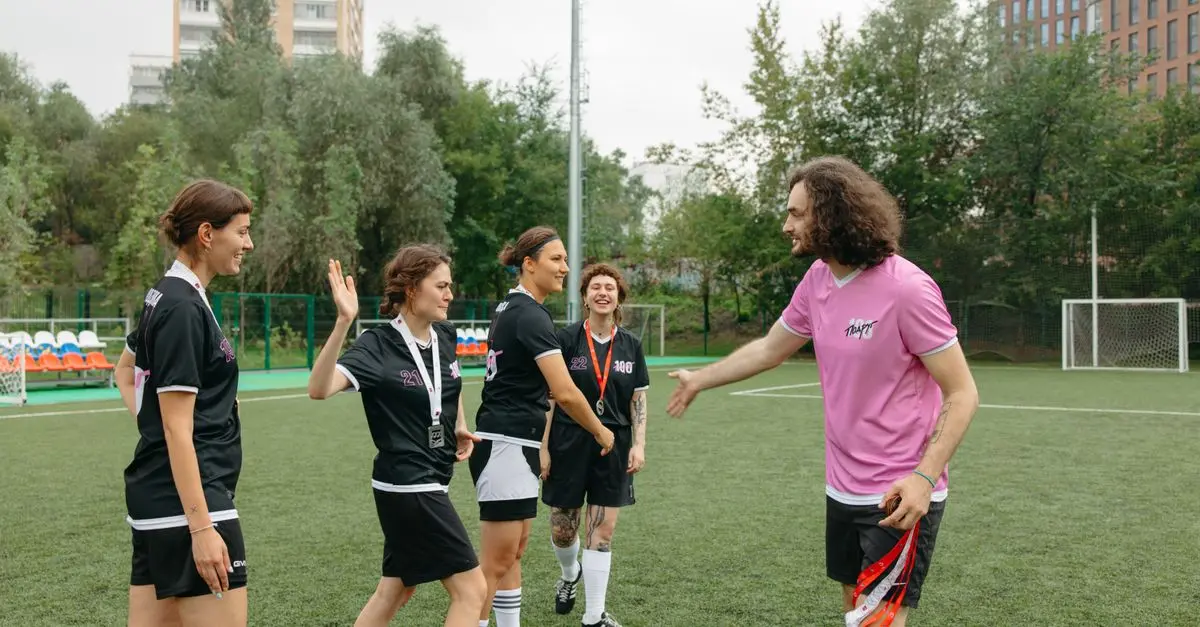
Effective team sports communication can be the difference between victory and defeat. It fosters collaboration, improves teamwork, and enhances overall performance. But why is it so vital? In team sports, communication isn't just about conveying information. It's about building relationships and understanding each player's strengths and weaknesses. This article delves into strategic methods to enhance communication in team sports environments, providing practical advice for coaches and players alike.
The Importance of Communication in Team Sports
In any team sport, communication is pivotal. It ensures that players are aligned, strategised, and prepared to act as a cohesive unit. According to a study in the Journal of Sports Sciences, teams with strong communication skills are 25% more likely to succeed over those with weak communication. Communication enhances decision-making, reduces misunderstandings, and fosters a supportive team environment. By creating clear channels for players and coaches, teams can minimise errors and maximise performance on and off the field.
Key Strategies to Improve Team Communication
How can teams improve their communication skills? Here are some steps:
- Establish Clear Roles: Each team member should understand their role and responsibilities within the team. This helps streamline communication, reducing confusion during play.
- Regular Team Meetings: Holding regular meetings encourages open dialogue and feedback. It's an opportunity to discuss strategies, review performances, and address issues.
- Non-verbal Cues: Often overlooked, non-verbal communication, such as gestures and eye contact, can be crucial during fast-paced games where verbal communication may not be possible.
- Use of Technology: Tools like video analysis can help teams review their communication strategies and identify areas for improvement.
Comparative Analysis: Team Sports Communication Tools
| Criterion | Option A: Verbal | Option B: Non-verbal | Option C: Digital | Verdict |
|---|---|---|---|---|
| Speed of Communication | Moderate | Fast | Instant | Non-verbal & Digital |
| Clarity | High, if concise | Medium | High | Verbal & Digital |
| Adaptability | High | Low | Moderate | Verbal |
| Cost | None | None | Varies | Non-verbal |
Data-driven insights have revolutionised how teams communicate. Teams now rely on statistical analysis to refine their strategies. According to Statista, 70% of professional sports teams use data analytics to enhance communication and planning. This includes tracking player performance, identifying communication breakdowns, and enhancing tactical decisions. Such insights can lead to tailored communication strategies that cater to specific team needs.
📺 Resource Video
📺 For further learning: Using Data to Improve Team Communication, a comprehensive analysis of leveraging technology in sports strategies. Search on YouTube: "data-driven sports communication 2026".
- Why is communication important in team sports?
Communication ensures that all players are on the same page, facilitating strategic planning and successful execution.
- What are non-verbal communication cues in sports?
Non-verbal cues include hand gestures, facial expressions, and eye contact that help convey messages quickly during games.
- How can technology improve team communication?
Technology, like video analysis, helps review past performances and refine future communication strategies.
- What data is used in sports communication?
Teams use performance metrics, player statistics, and communication patterns to improve teamwork and outcomes.
Checklist for Effective Team Communication
- [ ] Schedule regular team meetings
- [ ] Clearly define each player's role
- [ ] Utilise video analysis tools
- [ ] Encourage feedback and open discussion
- [ ] Assess and adapt strategies using data insights
Glossary
| Term | Definition |
|---|---|
| Verbal Communication | The use of spoken words to convey messages and strategies. |
| Non-Verbal Communication | Communication through gestures, body language, and facial expressions. |
| Data Analytics | The process of analysing data to gain insights and improve decision-making. |