Contents (10 sections)
Starting a fitness routine can feel daunting, especially for beginners. Making the first step not only requires motivation but also a clear plan. This guide serves as a comprehensive walkthrough on how to initiate your fitness journey, designed to ensure you feel confident and accomplished.
1. Understanding Your Goals
Before you begin your fitness routine, it's crucial to outline your goals. What do you want to achieve? Weight loss, muscle gain, increased stamina, or perhaps improved mental health? Understanding your primary objectives will help tailor your fitness programme effectively. According to NHS statistics, regular physical activity can reduce the risk of chronic diseases and improve mental well-being.
It helps to write down your goals, making them more tangible. You can also use SMART criteria (Specific, Measurable, Achievable, Relevant, Time-bound) to refine your objectives. For instance, rather than saying "I want to get fit," specify, "I aim to run 5K in under 30 minutes within three months." Setting smaller milestones also provides motivation as you progress.
2. Selecting the Right Activities
Choosing the right types of exercises is fundamental when crafting a fitness routine for beginners. It's essential to pick activities that you enjoy. If you dislike running, don’t force yourself to do it; there are numerous alternatives such as cycling, swimming, dancing, or even walking.
Incorporate a mix of cardiovascular, strength training, flexibility, and balance exercises into your routine for a comprehensive approach. According to the Centre for Disease Control and Prevention (CDC), adults should aim for at least 150 minutes of moderate-intensity exercise weekly. A typical beginner schedule might look like:
- Monday: 30 minutes brisk walking
- Wednesday: 20 minutes of strength training (using body weight or light dumbbells)
- Friday: 30 minutes of cycling or swimming
3. Creating a Schedule
Establishing a consistent workout schedule is vital for long-term adherence. Start by determining which days and times you can realistically dedicate to exercising. It’s advisable to treat these appointments as non-negotiable to foster consistency.
An effective way to build your routine is to use a physical or digital calendar. Mark your workout days and stick to it. Additionally, setting reminders can ensure you don’t forget. Experts suggest at least three days a week of moderate workouts as a starting point. Keep in mind that flexibility is key; it’s okay to adjust your plan when necessary to accommodate life’s unpredictability.
4. Importance of Warm-Up and Cool-Down
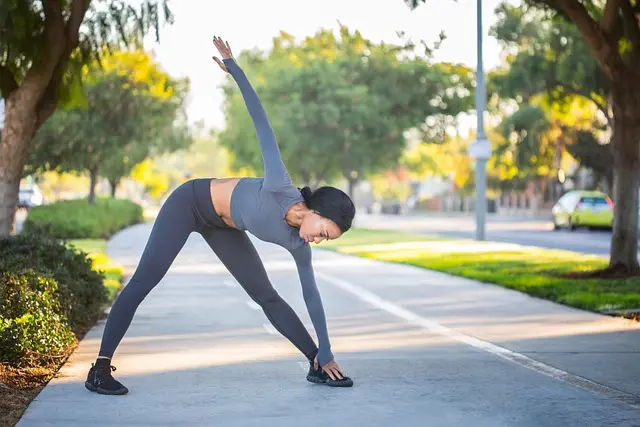
Many beginners often overlook the significance of warming up and cooling down before and after workouts. Warming up is essential to prepare your body for exercise by increasing your heart rate and loosening your muscles, thereby reducing the risk of injury. A proper warm-up can include dynamic stretches or light cardio for 5-10 minutes.
Cool-down periods help your body transition back to resting state, allowing for muscle recovery and reducing soreness. This can involve gentle stretches focusing on the muscles worked during your session. Incorporating these practices can enhance your overall performance and encourage sustainable fitness habits.
5. Staying Accountable
Accountability plays a crucial role in maintaining motivation and consistency, especially for beginners. Consider sharing your fitness goals with friends or family, or even joining a fitness group or online community. Having a support system not only encourages you to stick to your routine, but can also provide helpful advice and inspiration.
Various fitness apps also allow you to connect with friends for challenges or virtual workouts, which can help keep you engaged. Data from a study published in the Journal of Health Psychology indicates that social support significantly influences exercise adherence. Essentially, building a community around your fitness journey can lead to improved outcomes and lasting commitments.
6. Tracking Progress and Reflecting on Your Journey
Lastly, tracking progress is vital in your fitness routine for beginners. Keeping a fitness journal can help log workouts, nutrition, and how you feel physically and mentally. This reflection is beneficial for identifying what works for you and what may need to be adjusted.
Utilising apps like MyFitnessPal or Fitbit can also help you visualise your progress through charts and statistics. Remember, the journey is individual; progress can be non-linear. Celebrate small victories, whether it’s lifting heavier weights or completing more repetitions than last time. Moreover, re-evaluating goals every few months can help keep your routine fresh.
Checklist for Your Fitness Routine:
- [ ] Define your fitness goals (SMART criteria)
- [ ] Identify activities you enjoy
- [ ] Create a balanced weekly workout schedule
- [ ] Include warm-up and cool-down in each session
- [ ] Find an accountability partner or group
- [ ] Track your progress regularly
💡 Expert Opinion: Regular exercise significantly improves mood and mental health. Studies indicate those adhering to a structured routine report higher levels of satisfaction and lower anxiety.
📺 Resources Video
Explore more about starting your fitness journey with this comprehensive guide on YouTube: “Beginner’s Guide to Fitness Training: Tips and Techniques.” Search for: 'beginner fitness routine 2026'.
Glossary
| Term | Definition |
|---|---|
| Cardiovascular Fitness | Refers to the ability of the heart, lungs, and blood vessels to supply oxygen during sustained physical activity. |
| Strength Training | A type of exercise focused on improving muscle strength and endurance. |
| Flexibility | The ability of a joint or series of joints to move through an unrestricted range of motion. |
---
📺 Pour aller plus loin : beginner fitness routine 2026 sur YouTube