Contents (15 sections)
Injuries are a common concern for athletes and sports enthusiasts alike. Preventing sports injuries is essential for maintaining an active lifestyle and reaching peak performance. In this article, we will explore ten vital tips that can help you avoid common injuries during both training and competition. Not only will these strategies aid in injury prevention, but they will also enhance your overall athletic performance.
1. Warm Up Before Every Session
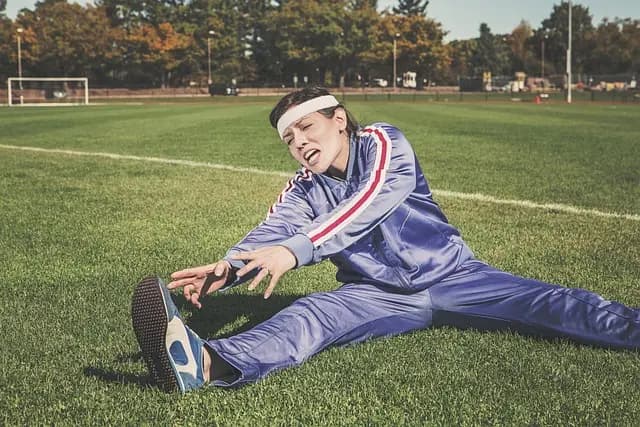
One of the most effective ways to prevent sports injuries is to incorporate a proper warm-up routine before any physical activity. A warm-up increases your heart rate, improves blood circulation to the muscles, and prepares your body for the upcoming exertion. Include dynamic stretches and movements that mimic the activities of your sport. For example, if you’re running, practice leg swings or gentle lunges. Studies have shown that a consistent warm-up can reduce injury rates by up to 30%.
2. Invest in Proper Footwear
Wearing the right sports shoes tailored to your activity is crucial in preventing injuries. Poorly fitting or inappropriate shoes can lead to issues such as blisters, sprains, or stress fractures. It’s vital to choose footwear that provides adequate support, cushioning, and grip. For instance, runners should opt for shoes meant for running rather than casual trainers. Consult a specialist to assess your foot type and gait for personalized recommendations.


Supacore CORETECH Injury Recovery and Prevention Compression Shorts - Medium
vivomed.com

Push Sports Wrist Support – Lightweight Compression Wrap for Training & Everyday Stability - Right
vivomed.com
3. Listen to Your Body
Athletes often push through fatigue or pain, which can lead to serious injuries. It’s essential to listen to your body’s signals. If you feel persistent pain or discomfort, take a break and allow your body to recover. Ignoring symptoms could exacerbate the issue and lead to long-term damage. Incorporate rest days into your training schedule to give your body the chance to heal and recover effectively.
4. Cross-Train Regularly
Engaging in varied activities can significantly reduce the risk of injury by preventing overuse of specific muscle groups. Cross-training allows you to work different parts of your body while improving overall fitness. For instance, a runner can include swimming or cycling in their routine to enhance cardiovascular fitness without placing extra stress on the legs. According to research, athletes who cross-train reduce the likelihood of overuse injuries compared to those who only perform a single sport.
5. Stay Hydrated and Maintain Nutrition
Proper hydration and nutrition play a significant role in overall athletic performance and injury prevention. Dehydration can lead to muscle cramping and fatigue, increasing the risk of accidents. Make sure you're drinking sufficient water before, during, and after exercise. Also, focus on a well-balanced diet rich in carbohydrates, proteins, and essential vitamins to fuel your body adequately. Hydration is linked to maintaining joint health and muscle function.
6. Use Protective Gear
Utilising protective equipment suitable for your sport is essential in shielding your body from potential injuries. Items such as shin guards for football, helmets for cycling or skating, and appropriate wrist supports can provide critical protection. Research indicates that the use of proper protective gear can significantly reduce the incidence of injuries in contact sports. Don’t overlook the importance of safety measures to avoid unnecessary risks.
Push Sports Wrist Support – Lightweight Compression Wrap for Training & Everyday Stability - Right
vivomed.com

Essity Tensoplast Elastic Adhesive Bandage (EAB) – Sports Strapping Support Tape 5cm x 4.5m
vivomed.com

Mueller M-Lastic Cohesive Bandage – Self Adhesive Elastic Sports Wrap 5cm x 4.5m
vivomed.com
7. Learn Proper Technique
One of the fundamental steps in preventing sports injuries is ensuring that you are using the correct techniques in your sport. Poor form can lead to undue strain on muscles and joints, increasing injury susceptibility. Work with a coach or take lessons to hone your skills. Practicing correct movements consistently not only improves performance but also greatly lowers injury risk.
8. Incorporate Strength Training
Strengthening your muscles enhances their resilience and helps protect your body from injury. Regular resistance training targeting all major muscle groups can improve stability, balance, and flexibility. For athletes, strengthening the core is particularly crucial as it stabilises the body and aids in preventing injuries related to instability. Aim for a balanced routine that includes both aerobic and resistance training activities.
9. Cool Down After Exercise
Just as warming up is critical, cooling down is equally important. Gradually reducing your activity level allows your heart rate to return to normal and helps in reducing muscle soreness. Include static stretching in your cool-down routine to improve flexibility also can help release muscle tension. It’s been shown that cooling down correctly can prevent muscle stiffness and enhance recovery time.
10. Schedule Regular Physical Assessments
Lastly, scheduling regular health check-ups and physical assessments can help identify potential risk factors for injuries. Consulting with a sports physiotherapist can aid in developing a training programme tailored specifically to mitigate risks. Regular assessments can catch biomechanical issues early, allowing for improvements before they lead to injuries.
Checklist for Injury Prevention
- [ ] Always warm up and cool down properly
- [ ] Wear appropriate footwear
- [ ] Listen to your body and rest when needed
- [ ] Engage in cross-training
- [ ] Stay hydrated and maintain a balanced diet
- [ ] Use the necessary protective gear
- [ ] Practice proper techniques
- [ ] Incorporate strength training
- [ ] Schedule regular assessments
Glossary
| Terme | Définition |
|---|---|
| Cross-training | Une méthode d'entraînement qui implique des activités variées pour améliorer la condition physique générale. |
| Hydratation | Le processus de maintien d'un apport adéquat en liquides pour optimiser les fonctions corporelles. |
| Technique | La manière appropriée d'effectuer un mouvement ou une action dans un sport particulier. |
📺 Ressource Vidéo
> 📺 To dive deeper: Explore comprehensive insights on sports injury prevention by searching for: "prevent sports injuries advice".
Conclusion
By following these ten essential tips to prevent sports injuries, you can significantly enhance your training experience while ensuring a safer and more effective sporting journey. Remember, maintaining physical well-being is an ongoing commitment, and a little prevention goes a long way. Happy training!
📺 Pour aller plus loin : prevent sports injuries advice sur YouTube
Recommended products
Selected by our experts

Essity Leukotape P Zinc Oxide Strapping Tape – Rigid Sports Tape 3.8cm x 13.7m
vivomed.com

Mueller Pro Heel Cups – Shock Absorbing Heel Support Inserts - Regular - Pair
vivomed.com
Essity Tensoplast Elastic Adhesive Bandage (EAB) – Sports Strapping Support Tape 5cm x 4.5m
vivomed.com

Essity Lightplast Pro Tearable Elastic Adhesive Bandage (EAB) – White or Black Sports Strapping Tape
vivomed.com
Push Sports Wrist Support – Lightweight Compression Wrap for Training & Everyday Stability - Left
vivomed.com