Contents (10 sections)
Choosing the right sports shoes is essential for enhancing performance, preventing injuries, and ensuring comfort during your chosen activities. The vast array of options available can be overwhelming, leading to confusion about which shoes are best suited for your specific needs. This comprehensive guide will help you navigate the process of selecting the perfect pair of sports shoes tailored to your activities.
1. Understand Your Activity Requirements
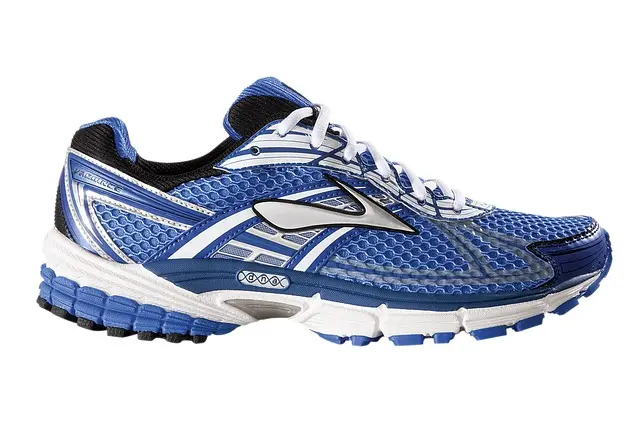
The first step in choosing sports shoes is identifying the sport or activity for which they will be used. Each sport requires specific attributes from shoes to optimise performance and comfort. For instance, running shoes are designed to provide cushioning and support for forward motion, while basketball shoes are built for lateral movements and ankle support.
Consider the surface you'll be using as well. Trail running shoes, for example, feature aggressive tread patterns suitable for uneven terrain, whereas road running shoes focus on lightweight cushioning for hard surfaces. Furthermore, specific sports may require shoes that excel in flexibility (like tennis) or stability (like weightlifting). Knowing the demands of your chosen activity can significantly influence your choice and help refine your options.
2. Assess Your Feet and Gait
Understanding your foot type and gait is crucial when selecting sports shoes. Many people have different arch types: flat, neutral, or high arches. Each type affects how weight is distributed while walking or running, making certain shoe features more suitable based on your foot structure.
To assess your foot type, consider performing a wet foot test. Wet your foot and step on a piece of cardboard; the imprint will reveal your arch type. Additionally, observing your gait can provide insights. For instance, overpronators—those whose feet roll inward—may benefit from stability shoes, while underpronators might require neutral shoes. If unsure, a visit to a specialist running store for a gait analysis can provide valuable insights and recommendations tailored to your needs.

Supacore CORETECH Injury Recovery and Prevention Compression Shorts - Medium
vivomed.com

SHOKZ OpenRun Mini Bone Conduction Headphones, Open-Ear Bluetooth Sports Earphones with Mic, IP67 Waterproof Wireless Headset for Running, Workout, 8H
Amazon Sellers Programme (UK)

4 Colors For Choose Cordless Earphones Headphones Sports MP3 Music FM Player For Gym Running Jogging
Alibaba UK
3. Know the Fit
A proper fit is paramount when selecting sports shoes. The shoe should feel snug yet comfortable without causing pinching or discomfort. When trying on shoes, consider the following:
- Length: You should have about a thumb's width between your longest toe and the end of the shoe.
- Width: The shoe should not constrict the sides of your foot. If your foot feels cramped, try a wider option.
- Volume: Pay attention to the height and shape of the shoe; it should accommodate your foot's natural contours.
Always try on shoes at the end of the day when your feet are slightly swollen to ensure a comfortable fit when you're most active. Walk or run in the store to test how they feel; if possible, consult with a sales assistant who can help with fitting guides.
4. Examine Shoe Features
When choosing sports shoes, consider key features that cater to your needs, such as:
- Cushioning: Essential for shock absorption, particularly in running shoes. Look for technologies like Gel, Air, or Foam.
- Support and Stability: Necessary for sports involving quick lateral movements. Look for shoes designed with added support structures or a broader base.
- Durability: This includes quality materials and construction methods, which are necessary for high-intensity activities.
- Weight: Lighter shoes often improve performance but may compromise support; balance is key based on your specific needs.
Taking note of these features will help tailor your selection to your unique requirements, ensuring that your sports shoes contribute positively to your athletic performance.
5. Make an Informed Purchase Decision
Before making a purchase, consult reviews and ratings, especially from users with similar foot types and shoe usage. Online platforms like UFC-Que Choisir and athletic forums can be invaluable resources for customer feedback. Pay attention to shoes that have received high marks in areas such as comfort, durability, and effectiveness for specific activities.
Also, consider trying shoes from different brands, as sizes and fits can vary significantly. Do not hesitate to invest in quality—good sports shoes are crucial for comfort and injury prevention. While price can be a deciding factor, remember that improper footgear can lead to costly injuries.
This step finalises the essential criteria to evaluate before purchasing.
Comparative Table: Shoe Types and Features
| Criteria | Running Shoes | Basketball Shoes | Cross-Training Shoes | Trail Shoes |
|---|---|---|---|---|
| Cushioning | Maximum | Moderate | Enhanced | Aggressive |
| Support | Lightweight | High ankle | Moderate | Ankle support |
| Durability | Medium | High | Medium | High |
| Best Fit | Neutral/Overpronator | Depending on player | All foot types | Trail-oriented |
| Verdict | Best for distance | Best for lateral moves | Best for varied use | Best for ruggedness |
When preparing to buy your sports shoes, utilise the checklist below to ensure all necessary criteria are met:
- [ ] Identify your primary sport or activity
- [ ] Assess foot type and gait
- [ ] Confirm proper fit (length, width, and volume)
- [ ] Review key shoe features (cushioning, support)
- [ ] Read customer reviews and expert recommendations
- [ ] Test shoes in-store or opt for a generous return policy
- [ ] Factor in your budget while considering quality
Glossary
| Term | Definition |
|---|---|
| Cushioning | Material designed to absorb shock and enhance comfort during activities. |
| Support | Design features meant to stabilise the foot and prevent injury during movement. |
| Pronation | A natural movement of the foot during walking or running that can vary from normal to excessive inward roll. |
🧠 Quick Quiz: What is the primary reason to choose the right sports shoes?
- A) Fashion
- B) Comfort and Injury Prevention
- C) Solely Price
Answer: B — Proper sports shoes ensure comfort and reduce the risk of injuries.


Verona Sleigh Style Storage Seat Hopsack Fabric - Dark Grey
bigfurniturewarehouse.com

Easy control foldable wide angle rc quadcopter drone camera 4k with 3 color choose
Alibaba UK
📺 For Further Insights
Watch 'How to Choose the Right Sports Shoes', an informative video guide.
Choosing the right sports shoes is a critical investment in your health and athletic success. Keep these factors in mind, take your time with the selection process, and remember that the right shoe is an integral part of any active lifestyle.
📺 Pour aller plus loin : how to choose sports shoes 2026 sur YouTube
Recommended products
Selected by our experts


SHOKZ OpenMove Bone Conduction Headphones, Open-Ear Bluetooth Sports Earphones with Mic, IP55 Waterproof Wireless Headset for Running and Workout, 6H
Amazon Sellers Programme (UK)
Supacore CORETECH Injury Recovery and Prevention Compression Shorts - Medium
vivomed.com

2019 Best SEll Laptop Foldable wireless Keyboard very convenient Your Best Choose
Alibaba UK


SHOKZ OpenRun Bone Conduction Headphones, Open-Ear Bluetooth Sports Earphones with Mic, IP67 Waterproof Wireless Headset for Running and Workout, 8H P
Amazon Sellers Programme (UK)