Contents (11 sections)
Creating a workout plan for beginners can be daunting, but it doesn't have to be. The key is to develop a routine that not only fits your goals but also your lifestyle. In this guide, we will walk you through the fundamental steps to create a workout plan that is effective, easy to follow, and enjoyable. Whether you want to lose weight, build muscle, or improve overall fitness, having a solid plan is essential.
Step 1: Define Your Fitness Goals
Before you can create a workout plan, it's essential to understand what you want to achieve. Fitness goals can vary widely. Here are several common objectives:
- Weight loss: If you aim to shed pounds, focus on a combination of cardio and strength training.
- Muscle building: For those looking to gain muscle, weight training becomes the central component.
- Improved endurance: This goal often includes more aerobic activities like running or cycling.
- General fitness and wellbeing: A balanced approach with both strength and cardio exercises is beneficial.
As a beginner, consider starting with a broad goal and refining it as you gain experience. For instance, aim simply to be active three times a week and then adjust your targets as you progress.
Step 2: Assess Your Current Fitness Level
Understanding your starting point helps tailor your workout plan appropriately. Here’s how to assess your fitness:
- Physical activity history: Reflect on previous sports, exercises, or physical activities you have engaged in.
- Current activity frequency: Note how often you currently exercise and at what intensity.
- Self-assessment: Rate your fitness level on a scale from 1 to 10. Be honest about your capabilities.
- Health considerations: If you have any health issues or concerns, it is vital to consult with a healthcare provider before starting any new exercise programme.
Step 3: Choose Your Workout Frequency and Duration
Deciding how often and how long you’ll work out is crucial to developing a sustainable routine. Here are some tips:
- Frequency: As a beginner, aim for 3-5 days of exercise per week. Start with three days, then increase as you feel comfortable.
- Duration: Sessions can range from 20 to 60 minutes, depending on your schedule and stamina. Starting with shorter sessions is often more manageable.
- Consistency over intensity: It’s better to establish a habit of working out frequently rather than pushing yourself too hard initially. You can gradually increase the intensity and duration of your sessions.
Step 4: Structure Your Workout Plan
Your workout plan should include a mix of the following elements:
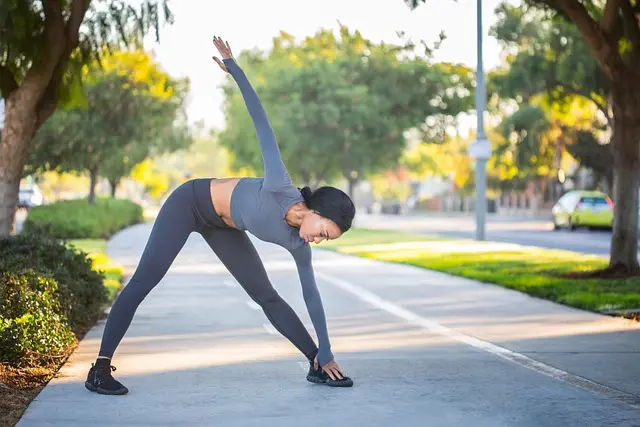
- Warm-up: Always start with a 5 to 10-minute warm-up to prevent injury. This could be light jogging or dynamic stretching.
- Cardio: Include cardiovascular activities such as walking, running, cycling, or swimming. Aim for at least 150 minutes of moderate aerobic activity or 75 minutes of vigorous activity weekly.
- Strength training: Incorporate bodyweight exercises like push-ups, squats, or use weights for resistance training twice a week.
- Cool down: End each session with a cool down, including stretching to improve flexibility and recovery.
Here is an example of structuring a week:
- Monday: 30 minutes of brisk walking + 10 minutes of strength training (e.g., squats, lunges).
- Wednesday: 20 minutes of cycling + 10 minutes of core exercises (e.g., planks).
- Friday: 30 minutes of swimming + stretching.
Step 5: Track Your Progress
Monitoring your progress is vital for staying motivated and understanding what works. Here are some methods to track your fitness journey:
- Fitness apps: Consider using apps that can help you monitor workouts, track times, and even log body measurements.
- Weekly journal: Keep a notebook to record your workouts, noting how you feel before and after.
- Set mini-goals: Celebrate small victories, such as running a longer distance or lifting heavier weights.
- Adjust your plan: Based on your progress, feel free to modify your workout plan. If you find a certain aspect enjoyable or beneficial, increase its frequency.
Step 6: Stay Motivated and Seek Support
Staying motivated can be challenging, especially when starting. Here are effective tips to keep your enthusiasm high:
- Find a workout buddy: Exercising with a friend can make sessions more enjoyable.
- Join a class or club: Consider joining a local fitness class that matches your interests.
- Celebrate achievements: Reward yourself for hitting milestones, such as completing a month of workouts.
- Stay flexible: Life can be unpredictable. If you miss a workout, don’t feel guilty—just get back on track as soon as you can.
Checklist before starting your workout plan
- [ ] Define personal fitness goals
- [ ] Assess current fitness and health conditions
- [ ] Decide on workout frequency and duration
- [ ] Plan a mix of cardio, strength training, and flexibility work
- [ ] Find a method for tracking progress
Conclusion
Creating a workout plan for beginners is an essential step towards achieving your fitness aspirations. By defining your goals, understanding your fitness level, and developing a structured yet flexible plan, you can make significant progress. Remember, consistency is key, so stick to your plan, and don’t hesitate to make adjustments along the way.
💡 Expert Tip: Many beginners struggle with consistency. To help overcome this, consider scheduling your workouts just like important appointments. Making them a priority can dramatically improve adherence to your plan.
Glossary
| Terme | Définition |
|---|---|
| Cardio | Exercices qui augmentent la fréquence cardiaque, favorisant l’endurance et la santé cardiovasculaire. |
| Force training | Exercices bâtis autour de la résistance, améliorant la force musculaire.
| Warm-up | Activités légères effectuées avant des exercices intenses pour préparer le corps à l’effort. |
📺 Ressource Vidéo
Explore the fundamentals of beginner workout routines. Search YouTube: "workout plan for beginners 2026".
📺 Pour aller plus loin : workout plan for beginners 2026 sur YouTube