Contents (11 sections)
Understanding Home Workout Plans
A home workout plan is a structured exercise routine designed to help individuals achieve their fitness goals without the need for a gym. With the rise of home fitness, especially accelerated by recent global events, many people have turned to developing effective workout plans that cater to their schedules, space, and preferences. The significance of having a tailored home workout plan cannot be understated; it not only helps in reaching specific goals like weight loss or muscle gain but also ensures consistency and accountability. Building a programme that fits your lifestyle and incorporates activities you enjoy will increase your likelihood of sticking with it long-term.
In 2026, the focus on personal wellbeing, fitness, and mental health is more pronounced than ever. As such, understanding how to create a workout plan can empower you to take control of your fitness journey and make exercising a regular part of your life. Importantly, a well-rounded home workout plan can be as effective as one conducted in a gym, especially when it considers all aspects of fitness, including strength, flexibility, cardiovascular health, and recovery.
Step 1: Set Clear Fitness Goals
The first step in creating your home workout plan is to establish clear and achievable fitness goals. Goals provide direction and motivation. Start by asking yourself why you want to exercise. Are you looking to lose weight, increase strength, improve flexibility, or enhance cardiovascular fitness? According to research, setting specific, measurable, attainable, relevant, and time-bound (SMART) goals can effectively guide your progress and keep you motivated.
For example, if your goal is to lose 5 kg in three months, break that down into weekly targets and corresponding workouts. You might include a combination of strength training, cardio, and flexibility exercises to promote overall fitness. Remember to keep your goals realistic; if you’re a beginner, it might be more practical to aim for consistency rather than extreme results. Monitoring your progress weekly or monthly can also help identify areas for adjustment and maintain motivation.
Step 2: Assess Your Current Fitness Level
Before diving into your home workout plan, it’s essential to assess your current fitness level. This assessment will help you tailor your programme to your abilities and prevent injuries. Consider performing exercises like push-ups, squats, and a timed plank to measure your strength and endurance. You can also consider evaluating flexibility through simple stretches for major muscle groups.
An honest appraisal of your fitness will allow you to set realistic goals and better understand which exercises will be suitable for you. If you find yourself struggling with specific movements, it’s a sign that these may need to be broken down into easier variations as you progress through your workout plan. Alternatively, if you excel in certain exercises, you may incorporate more challenging tasks to further enhance your fitness level.
Step 3: Choose Your Workout Style
Choosing a workout style that resonates with you is vital for adherence to your home workout plan. There are numerous styles to consider, including but not limited to:
- High-Intensity Interval Training (HIIT): This style alternates between short bursts of intense exercise and rest, effective for burning calories in a short time.
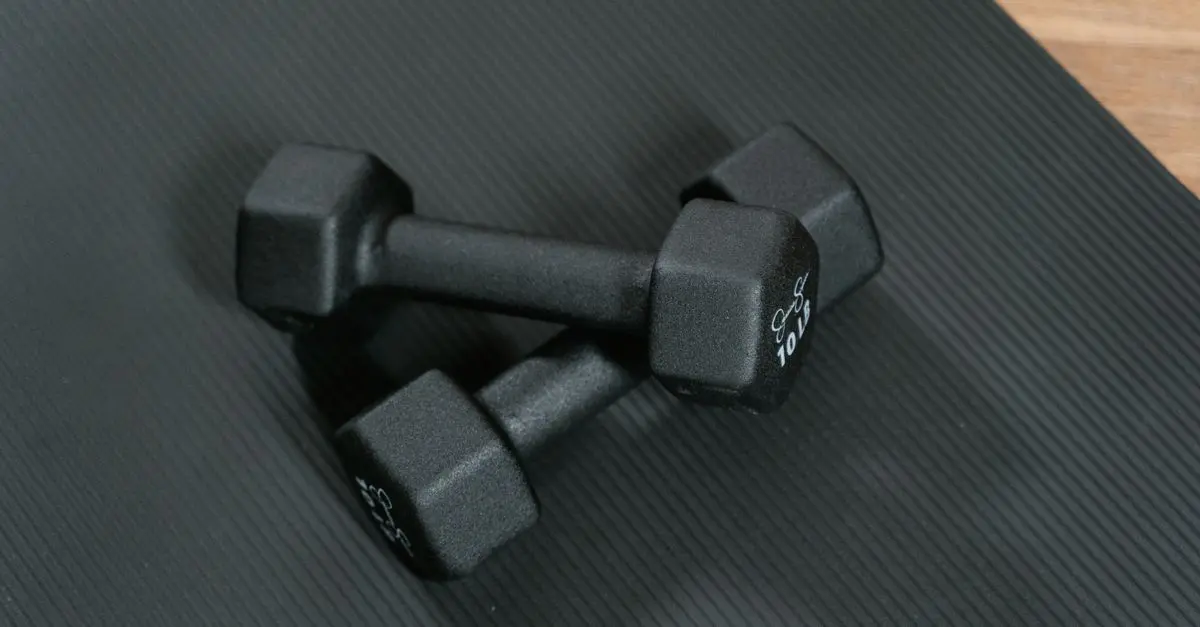
- Strength Training: Focused on building muscle and can be done using resistance bands, dumbbells, or bodyweight exercises.
- Yoga or Pilates: Excellent for improving flexibility and core strength, along with promoting relaxation and mental clarity.
- Cardio: Activities like running, cycling, or dance are great for improving cardiovascular health and burning fat.
Given the diversity of options, take the time to experiment with different styles. You might even blend multiple forms to keep your workouts varied and enjoyable. For instance, combining strength training with yoga for flexibility improvements can create a well-rounded fitness regimen.
Step 4: Create a Balanced Routine
Once you have your goals and preferred workout styles, it’s time to construct a balanced workout routine. A comprehensive plan should incorporate various types of exercises targeting different muscle groups. An effective weekly schedule might include:
- Monday: Full body strength training (45 minutes)
- Wednesday: Cardio workout (30 minutes of running)
- Friday: Flexibility training with yoga (30 minutes)
- Saturday: HIIT session (30 minutes)
Aim for a combination of strength training at least twice a week, cardiovascular exercise three times a week, and flexibility workouts. This approach not only promotes muscle strength and fat loss but also supports recovery and injury prevention.
Additionally, consider your recovery day. Having non-training days is equally important; it allows your muscles to recover and reduces risk of burnout. Listening to your body is critical—if you feel fatigued or sore, don't hesitate to adjust your workouts as needed.
Step 5: Schedule Your Workouts
Scheduling your workouts plays a crucial role in ensuring they become a regular part of your routine. Decide on the best times of day for exercising based on your personal commitments and energy levels. If mornings work best, set aside that time for your workouts; if evenings are more suitable, plan accordingly.
Write down your workout schedule or use a mobile application to keep track of your sessions. Consistency is key, so treat your workouts like important appointments. Moreover, setting reminders on your device can help you stay accountable. Remember, life can get busy, and inadvertently skipping workouts can happen, but maintaining an adaptable mindset will allow you to modify as needed without losing sight of your goals.
Resources for Additional Guidance
In addition to your home workout plan, consider sourcing additional guidance from credible fitness resources. Numerous websites, including fitness blogs and health resources, offer free workout routines and tips on nutrition. YouTube can also be a goldmine for workout videos tailored to various styles; simply search with terms like "home workouts for beginners" or "HIIT workout at home" for a plethora of options.
Additionally, consider following certified fitness instructors on social media platforms, where they often share valuable insights and motivational content. Relying on expert sources ensures that you maintain a safe and effective workout routine while continuously evolving your fitness journey.
Checklist Before You Start
- [ ] Written down my fitness goals.
- [ ] Evaluated my current fitness level.
- [ ] Selected my preferred workout styles.
- [ ] Created a balanced weekly workout routine.
- [ ] Scheduled my workout sessions.
- [ ] Researched additional resources for guidance.
- [ ] Planned for recovery days in my schedule.
📺 Resource Video
> 📺 For further guidance: Understanding Home Workout Plans, an analysis of effective strategies for creating a home workout regimen. Search on YouTube: "home workout plans 2026".
Glossary
| Terme | Définition |
|---|---|
| HIIT (High-Intensity Interval Training) | Un style d'entraînement alternant des périodes d'exercice intense suivies de repos. |
| Endurance | La capacité de maintenir des efforts physiques pendant une période prolongée. |
| Flexibilité | La capacité des muscles à s'étirer et à se contracter sans se blesser. |
---
📺 Pour aller plus loin : home workout plans 2026 sur YouTube