
Contents (20 sections)
Choosing the right training plan is essential for achieving your fitness goals efficiently. Whether you aim to lose weight, build muscle, enhance stamina, or improve athletic performance, a suitable plan tailored to your needs can make all the difference. This guide will help you navigate the options available and provide actionable steps to select the training plan that aligns with your personal objectives.
INFORMATIONNEL - What is a Training Plan?
A training plan is a structured guide that outlines a series of workouts designed to help you reach specific fitness goals. These plans can vary greatly, tailored for different objectives such as strength training, cardio fitness, or flexibility improvement. For example, someone who wants to increase their running distance will have a markedly different plan than someone aiming to increase their bench press. Additionally, training plans can be adapted to suit various fitness levels, from beginners to seasoned athletes. Why is this important? Well, according to a survey conducted by Fitness Magazine, individuals who follow a structured plan are 50% more likely to remain committed to their fitness goals. Hence, the importance of a well-defined training plan cannot be overstated; it helps in tracking progress, setting realistic targets, and provides motivation.
PROCÉDURAL - How to Choose the Right Training Plan
Step 1: Define Your Fitness Goals
The first step in selecting an appropriate training plan is to clearly define your fitness goals. Do you want to lose weight, gain muscle, increase endurance, or prepare for a specific event? Having a clear objective will guide your entire training process. For instance, if weight loss is your goal, a combination of strength training and high-intensity interval training (HIIT) might be recommended. Whereas if increasing muscle mass is your focus, a weightlifting regimen with progressive overload could be more suitable.
Step 2: Assess Your Current Fitness Level
Understanding your starting point is crucial. Consider not just your physical capabilities but also any injuries or limitations. An initial assessment can often be done through fitness tests or by consulting with a trainer. For example, if you can only run a mile in 10 minutes, you wouldn’t want to jump into a training plan designed for seasoned marathoners. Tailoring your training plan to match your current fitness level will promote progress while reducing the risk of injury.
Step 3: Research Different Types of Training Plans
Take time to explore various training methodologies. Some plans focus on specific modalities: strength training, agility training, or endurance, among others. Research can include reading articles, watching training videos, or consulting fitness professionals. Based on your goals, you may find that a cross-training plan, which combines multiple types of workouts, is the most effective approach.
Step 4: Consider Nutritional Requirements
An optimal training plan is incomplete without considering nutrition. Depending on your goals, your caloric intake may need to change drastically. For weight loss, a caloric deficit is necessary, while muscle gain typically requires a surplus. Incorporating a diet that complements your training plan will help maximise your results. Consult a nutritionist to align your meals with your fitness objectives; they may suggest protein supplements or specific pre- and post-workout snacks.
Step 5: Periodically Review and Adjust Your Plan
After you start your training, monitor your progress. Regular assessments, such as keeping a workout journal or using fitness tracking apps, can help you see what’s working and what isn’t. A plan is not static; it should evolve based on your progress, setbacks, or changes in goals. For instance, if you’ve consistently met your targets in strength training, it might be time to increase weights or switch to a different routine.
COMPARATIF - Comparison of Training Plans
Here’s a comparative overview of three common types of training plans:
| Criteria | Strength Training | Endurance Training | Cross-Training |
|---|---|---|---|
| Target Audience | Muscle gainers | Long-distance runners | General fitness enthusiasts |
| Core Activities | Weight lifting | Running / Cycling | Combination of disciplines |
| Typical Duration | 8-12 weeks | 10-16 weeks | Varies (8-12 weeks common) |
| Flexibility | Moderate | Low | High |
💡 Avis d'expert: Training plans should be tailored, as generic approaches often fail to meet individual needs. Keep your plan adaptable to respond to your progress.
What should I include in a training plan?
A well-rounded training plan should include a mix of cardiovascular, strength, and flexibility exercises, aligned with your fitness goals.
How often should I change my training plan?
Generally, it’s advisable to revise your plan every 4-6 weeks to prevent plateaus and encourage continuous progress.
Can I follow a training plan without a gym membership?
Absolutely! Many effective training plans can be executed at home or outdoors using minimal equipment.
Is it necessary to hire a personal trainer?
While it can be beneficial, many people successfully follow training plans independently. Consulting a trainer for initial guidance can be helpful, especially for beginners.
Glossaire
| Terme | Définition |
|---|---|
| HIIT | Entraînement par intervalles à haute intensité, efficace pour la perte de graisse. |
| Progressive Overload | Concept d'augmentation progressive de l'intensité d’entraînement pour stimuler le muscle. |
| Caloric Deficit | État où l’on consomme moins de calories que ce que l’on dépense, essentiel pour perdre du poids. |
Checklist avant achat
- [ ] Définir mes objectifs de fitness
- [ ] Évaluer mon niveau actuel de forme physique
- [ ] Rechercher des plans d'entraînement adaptés
- [ ] Consulter un nutritionniste
- [ ] Planifier des révisions régulières de mon programme
📺 Ressource Vidéo
Pour aller plus loin: Understanding Different Training Plans, une analyse complète de [sujet]. Recherchez sur YouTube : "how to choose a training plan 2026".
Conclusion
En définitive, choisir le bon training plan nécessite une approche réfléchie et personnalisée. En suivant les étapes ci-dessus et en restant adaptable à vos progrès, vous maximiserez vos chances de succès. Prenez ce que vous avez appris et commencez votre parcours de fitness avec confiance et détermination.
Recommended Products
Discover our recommendations below.
📺 Pour aller plus loin : how to choose a training plan 2026 sur YouTube
Recommended products
Selected by our experts
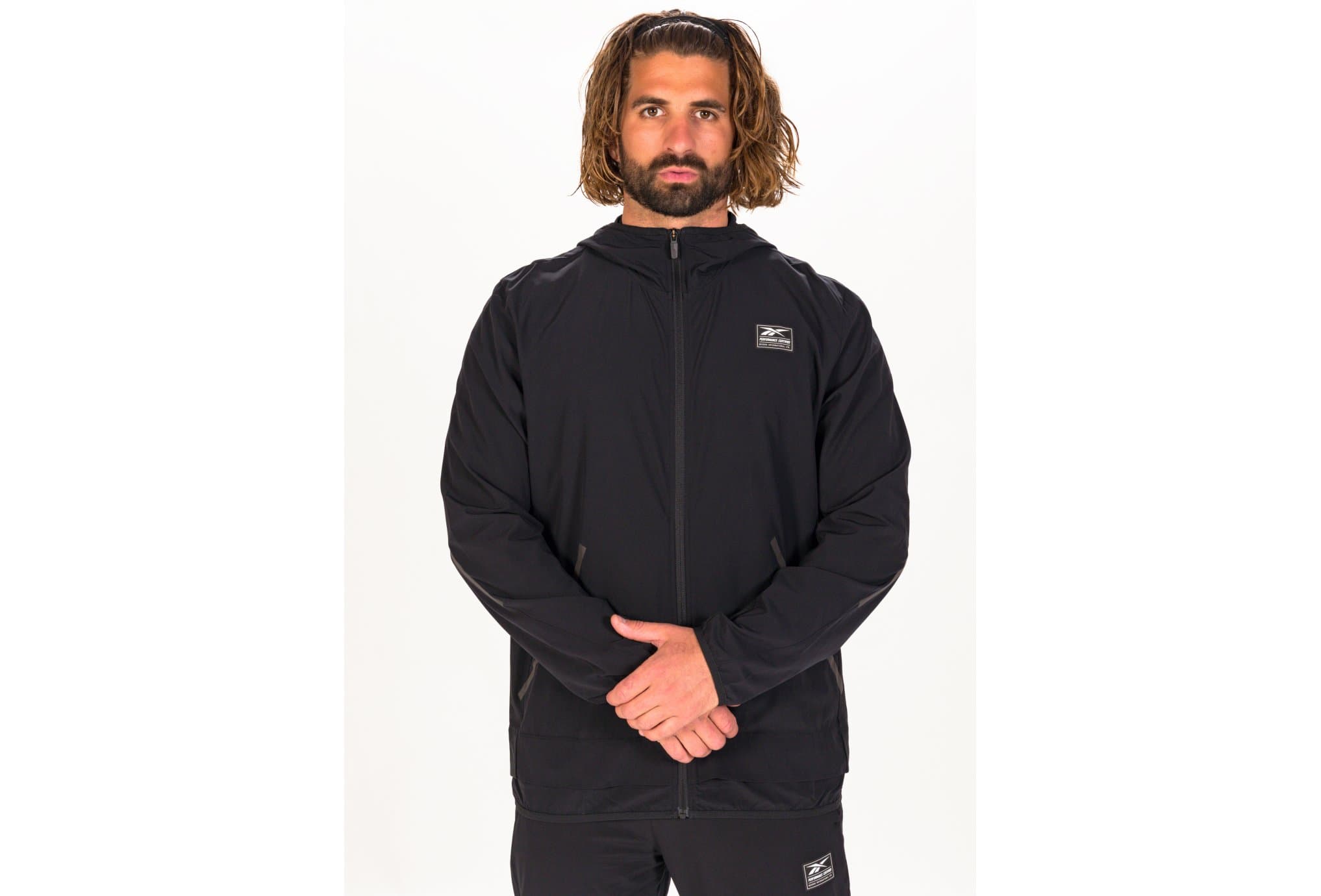
Reebok Performance Certified Vector M
Reebok
This Reebok jacket is perfect for your training sessions, providing comfort and style whether indoors or outdoors.
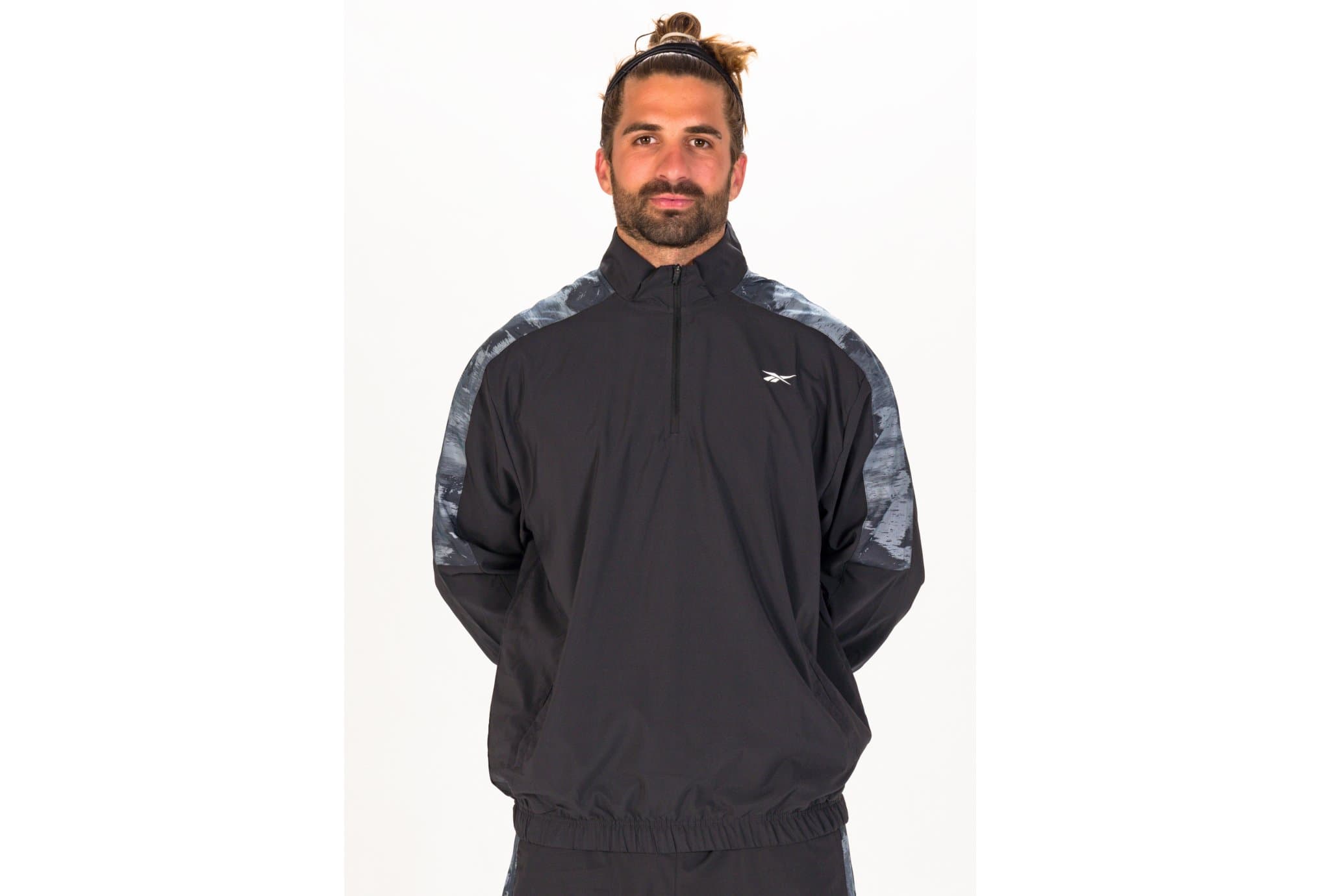
Reebok Training M
Reebok
This Reebok sweatshirt is designed for cool weather, making it an ideal choice for outdoor training.
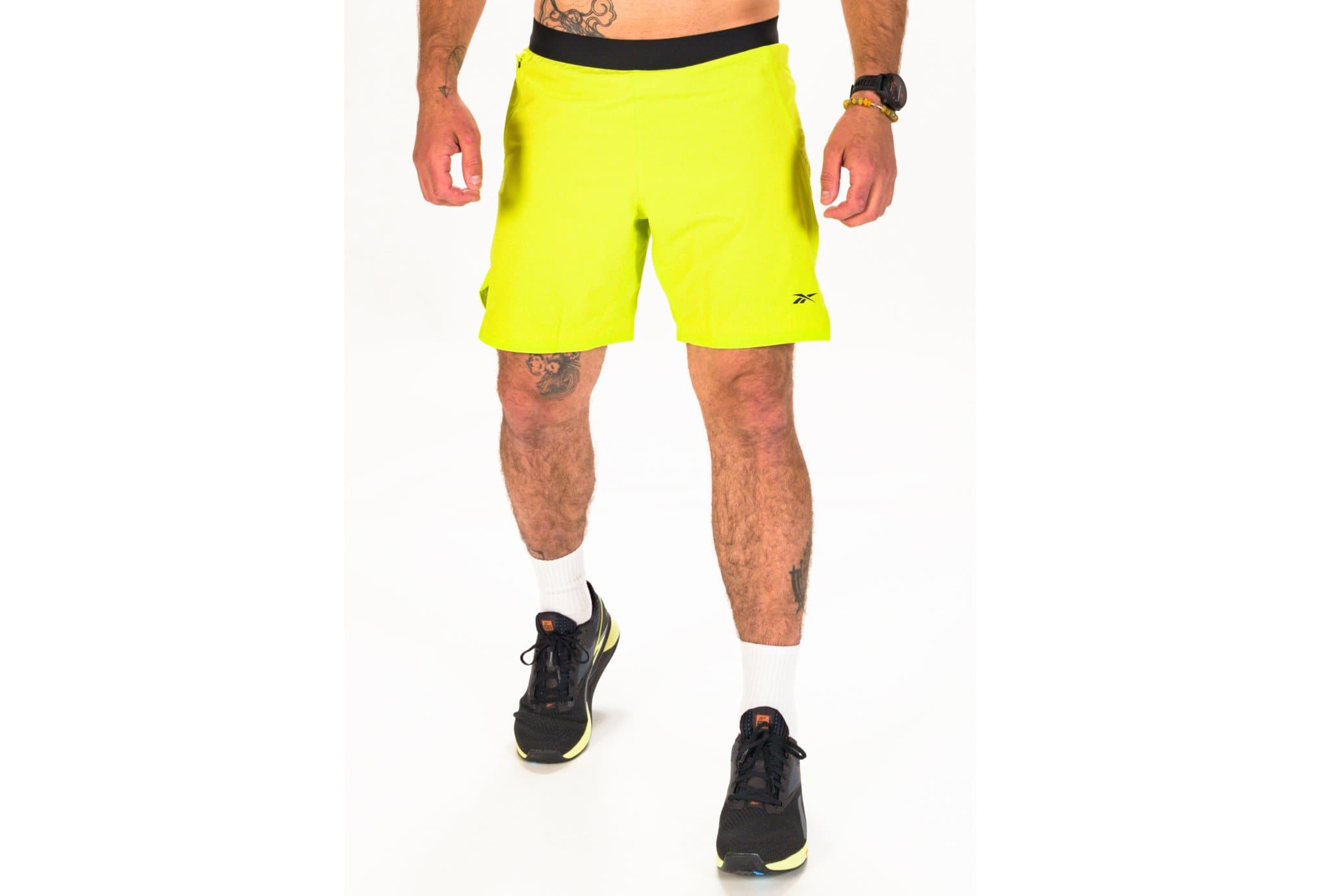
Reebok Speed 2 en 1 3.0 M
Reebok
The Reebok 2-in-1 shorts offer flexibility and comfort for intense training sessions, adapting to your workout style.