Contents (18 sections)
Finding a sport that aligns with your fitness goals can be a transformative step in your personal health journey. Whether you're looking to enhance your physical fitness, improve your mental well-being, or simply have fun, choosing the right sport is crucial. This guide will provide you with practical steps and insights to help navigate your options.
1. Understand Your Goals
What are Your Fitness Objectives?
Before you can choose the right sport, it is essential to clarify your personal fitness objectives. This could range from weight loss, muscle gain, building endurance, improving flexibility, or engaging in a social activity. To get started, write down your goals and make them as specific as possible. For example, instead of simply saying, "I want to get fit," you could say, "I want to run a 10k in less than an hour within six months." Studies show that having clear goals not only helps in tracking progress but also keeps you motivated. According to the American Psychological Association, setting specific objectives enhances commitment and outcome success.
Fitness Levels Matter
Consider your current fitness level. If you are just starting out, high-impact sports may not be the best choice at first. Instead, you might prefer low-impact activities such as swimming or cycling. This gradual approach allows your body to adapt while reducing the risk of injury.
💡 Expert Insight: Consult with a fitness professional for individualized advice tailored to your goals and fitness level.
2. Explore Different Sports
A Diverse Range of Options
Once you have a clear understanding of your goals, it’s time to explore various sports that align with them. Here are a few categories to consider:
- Endurance Sports: Running, cycling, swimming, and rowing are excellent for improving cardiovascular health.
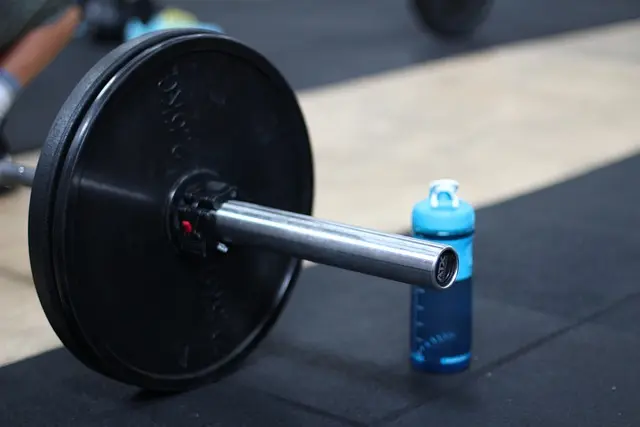
- Strength Training: Weightlifting, CrossFit, or bodyweight exercises can help you build muscle mass.
- Team Sports: Joining a local football, basketball, or cricket club can enhance social connection and provide motivation.
- Low-Impact Activities: Sports like yoga, pilates, or tai chi are beneficial for flexibility and relaxation.
Local Options to Explore
Visit local gyms, community centres, or parks to see what sports are available in your area. Many clubs offer free introductory classes, which can be a great way to try out different activities without commitment. Engaging with your local community can open the door to discovering a sport you never considered before.
3. Assess the Practicality
Time and Location
When choosing a sport, consider the time commitment required and its proximity. Assess your weekly schedule and determine how much time you can realistically dedicate to your chosen sport. Some sports may require daily training sessions, while others may only demand a few hours each week. Furthermore, local facilities are a significant factor. Sports that require travel to distant locations may become a deterrent over time. Convenience encourages consistency, which is key for long-term success.
Financial Considerations
Also evaluate the costs involved. Some sports can be very budget-friendly (like running), while others, such as golfing or skiing, may incur higher expenses for equipment and memberships. Consider setting a budget that allows you to engage in your preferred sport without financial strain.
4. Try it Out
Sample Different Sports
Before committing fully to a sport, it’s wise to try a few different activities. Many gyms and sports clubs offer trial sessions ranging from one-off classes to introductory workshops.
- Consider Multiple Trials: Test at least three different sports that interest you. Notice how you feel during and after each session, both physically and mentally. Pay attention to your enjoyment levels and willingness to participate again.
- Listen to Your Body: Some activities may be more physically demanding than others. Make sure they align not just with your interests but also with your physical capabilities. For instance, if you enjoy a sport but find it leads to pain or discomfort, it may be worth considering alternatives before making a decision.
5. Set a Routine
Establish Consistency
Once you've chosen a sport, create a consistent routine. Schedule your practice sessions like any other important commitment in your life. Consistency is key to seeing progress and results. Harvard Health Publishing states that regular engagement in physical activity can lead to improved cardiovascular fitness and decreased risk of chronic diseases.
Engage with Community
Joining a team or finding a workout group can significantly enhance your experience. Not only do you benefit from social interactions, but you’re also more likely to stay motivated and accountable. Don’t overlook the benefits of community support; it can play a crucial role in your commitment to staying active.
Checklist before Choosing a Sport
- [ ] Define your fitness objectives clearly.
- [ ] Assess your current fitness level and any restrictions.
- [ ] Explore a variety of sports suited to your goals.
- [ ] Check the availability of facilities and costs.
- [ ] Try at least three different sports before deciding.
- [ ] Create and schedule your training routine.
📺 Resource Video
> 📺 For further insights: Watch 'Choosing the Right Sport for Your Fitness Goals' on YouTube. Search for: how to choose the right sport for your fitness goals.
Glossary
| Terme | Définition |
|---|
| Endurance Sports | Activities that focus on sustained physical activity, often improving cardiovascular health.
| Low-Impact Activities | Sports that are gentle on the joints, such as swimming and cycling.
| Strength Training | Exercises aimed at increasing muscle strength, involving weights or resistance exercises.
🧠 Quiz rapide : What’s the primary goal of choosing a sport?
- A) To socialise
- B) To stay active
- C) To achieve specific fitness objectives
Réponse : C — Having specific fitness objectives leads to better engagement in sport.
📺 Pour aller plus loin : how to choose the right sport for your fitness goals sur YouTube