Contents (12 sections)
Choosing the right sports equipment is crucial for enhancing performance, ensuring safety, and maximising enjoyment in your preferred activities. Whether you are a beginner or a seasoned athlete, understanding how to effectively choisir équipement sportif can make all the difference in your sporting experience. This guide will outline essential tips across several steps to help you make informed decisions.
1. Understand Your Needs and Goals
Before diving into the world of sports equipment, it's essential to start with a self-assessment. Consider your specific needs and goals: Are you starting a new sport? Are you looking to improve your performance in a sport you're already engaged in?
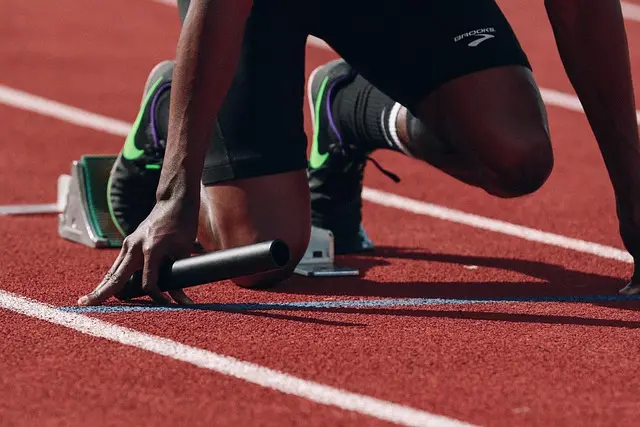
For instance, if you're interested in running, determine whether you intend to run competitively, recreationally, or for fitness. Each purpose requires different types of footwear. Begin your journey by listing down your primary objectives and what type of activities you plan to engage in.
Tips: Explore online forums or community groups related to your sport for insights on what others have found beneficial.
2. Do Your Research
Once you have a clearer idea of your needs, begin researching various sports equipment options that suit you. The market is saturated with diverse choices, and understanding the various features can help narrow down your selections.
For instance, when it comes to bicycles, factors like frame material, geometry, and gear systems can significantly affect performance and comfort. Explore reputable sources such as UFC-Que Choisir or Les Numériques for reviews and comparisons of products. Focus on product specifications, user experiences, and expert recommendations to gauge their suitability.
Common Pitfalls: Avoid the temptation to rush into a purchase without understanding the product's functionalities and benefits.
3. Set a Budget
Having a defined budget is crucial when selecting sports equipment. Prices can range widely based on brand, quality, and technology. Set a realistic budget that aligns with your needs but also allows for quality materials that enhance your experience.
For example, high-quality running shoes may cost between £80 to £200, but investing in a well-constructed pair can significantly reduce injury risk and increase comfort. Consider regular promotional periods or second-hand options for high-quality brands like Nike or Adidas.
Expert Insight:
> 💡 Expert Opinion: Investing in premium equipment often pays off in terms of longevity and performance improvements, as supported by user satisfaction surveys.
4. Try Before You Buy
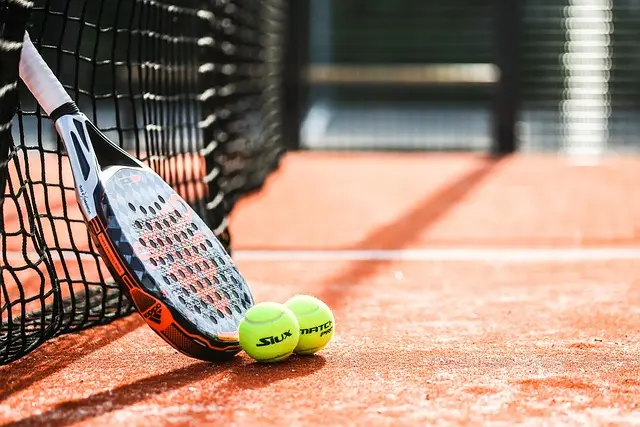
When possible, always test the sports equipment before making a purchase. Physical comfort, fit, and functionality are critical aspects that can be assessed best in person. Visit local stores where you can try on clothing or test equipment like bicycles or tennis rackets.
For example, running shops often offer gait analysis to find the perfect running shoes based on your foot strike. This personalised fitting is invaluable and can lead to better performance and fewer injuries.
Reminder: Always wear appropriate clothing when trying on equipment to get a realistic idea of fit and feel.
5. Consider Reviews and Recommendations
Reviews and recommendations play a significant role in the decision-making process. Leverage customer reviews on retailer websites or independent review platforms to get an honest perspective on the equipment performance.
For instance, according to recent reports from 60 Millions de Consommateurs, customers often mention issues faced with particular models or brands, which can guide your decision. Additionally, asking friends or joining community groups can yield effective recommendations based on real-world usage.
Checklist:
- Seek a range of reviews to ensure a balanced understanding of the product being considered.
6. Maintenance and Care
Selecting the right equipment doesn't end with purchase; understanding maintenance is equally important for longevity and performance. Different types of equipment require various care levels. For instance, bicycles need regular upkeep, including cleaning and adjustments to ensure optimal performance.
Research the proper maintenance for your chosen equipment to prevent early wear and maximise its lifespan. Equipment guides or manufacturer recommendations often provide excellent insights into care routines.
Professional Tip: Join local clubs or forums to learn maintenance from enthusiasts who often share valuable hacks and practices based on their experience.
7. Make Your Decision
After thoroughly researching and testing equipment, it's time to make your purchase. Reflect on all factors—comfort, fit, reviews, and maintenance needs. Ensure the investment aligns with your sporting goals and budget.
Buying from reputable retailers also ensures access to customer service that can assist if you encounter issues or need replacements.
📺 Ressource Vidéo
📺 Pour aller plus loin: Essential tips for choosing the right sports equipment, a complete guide to help you understand what to look for. Search on YouTube: "how to choose sports equipment 2026".
Checklist avant achat
- [ ] Assess your needs and goals.
- [ ] Conduct thorough research on equipment options.
- [ ] Set a realistic budget.
- [ ] Try equipment before purchase.
- [ ] Check reviews and recommendations.
- [ ] Learn about maintenance requirements.
- [ ] Make an informed decision.
Glossaire
| Terme | Définition |
|---|---|
| Équipement de sport | Outils ou accessoires utilisés pour la pratique d’un sport ou d’une activité physique. |
| Budget sportif | Montant alloué à l'achat d'équipement sportif, reflétant les priorités et besoins individuels. |
| Entretien d'équipement | Actions nécessaires pour garder l'équipement en bon état, prolonger sa durée de vie et optimiser ses performances. |