Contents (14 sections)
Athletes at every level face the physical demands of training and competition, utilising their bodies to perform at peak levels. However, the journey does not end when the competition concludes; in fact, recovery plays a vital role in athletic performance. Effective recovery techniques can help athletes replenish energy, repair muscle, and prevent injury. In this article, we will explore essential recovery techniques for athletes, ensuring they stay at the top of their game.
1. Hydration: The Cornerstone of Recovery
One of the most critical aspects of recovery is hydration. After intense workouts, especially those involving significant sweat loss, it is vital for athletes to rehydrate. Dehydration can impair muscle recovery, increase fatigue, and slow down metabolic processes. According to a report by the American College of Sports Medicine, even a 2% drop in hydration levels can hinder performance. Athletes should consume fluids rich in electrolytes, such as sports drinks, to replace lost minerals and optimise recovery. Incorporating water-rich foods, like fruits and vegetables, into the diet can also aid hydration efforts.
2. Nutrition: Fuel for Recovery
Nutrition is paramount for recovery. Consuming the right mix of nutrients can accelerate muscle repair, reduce inflammation, and restore energy levels. Athletes should aim for a balanced post-workout meal that includes carbohydrates for glycogen replenishment and protein for muscle repair. Research indicates that consuming protein-rich foods within 30 minutes post-exercise can enhance muscle recovery significantly. Foods like lean meats, dairy, and legumes are excellent choices. Furthermore, incorporating anti-inflammatory foods like fatty fish, nuts, and berries can aid in reducing post-exercise inflammation.
3. Active Recovery: Gentle Movement Matters
Incorporating active recovery sessions into training can boost blood flow to muscles while easing soreness. Rather than opting for complete rest, athletes can engage in low-intensity activities such as walking, cycling, or swimming. A study published in the Journal of Strength and Conditioning Research suggests that active recovery helps eliminate lactic acid build-up faster than total rest, helping to lessen post-workout fatigue. These light activities enable muscles to recover while still being engaged in movement.
4. Sleep: The Ultimate Recovery Tool
Underestimating the role of sleep in recovery is common among athletes. Quality sleep is essential for muscle recovery and overall health. During sleep, growth hormone levels peak, facilitating muscle repair and recovery. Studies have shown that athletes requiring optimal performance should aim for 7-9 hours of sleep per night. Creating a sleep-friendly environment, establishing a bedtime routine, and limiting screen time before bed can improve sleep quality. Prioritising sleep is not just beneficial; it is an integral part of recovery.
5. Compression Therapy: Enhanced Circulation
Compression therapy is becoming increasingly popular among athletes for its recovery benefits. This technique involves wearing compression garments that apply pressure to limbs and muscles, enhancing circulation and reducing swelling. Several studies have indicated that compression can lower recovery times and alleviate muscle soreness. For instance, a review published in Sports Medicine highlights that wearing compression garments post-exercise significantly enhances recovery for athletes. Athletes should consider integrating these garments into their recovery routines, especially post-competition.
6. Stretching and Flexibility: Maintaining Mobility
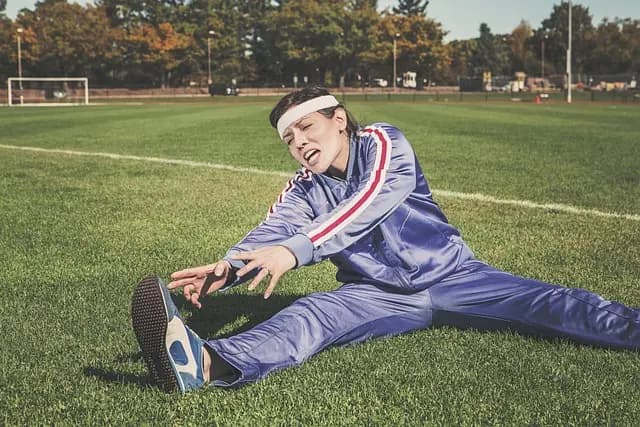
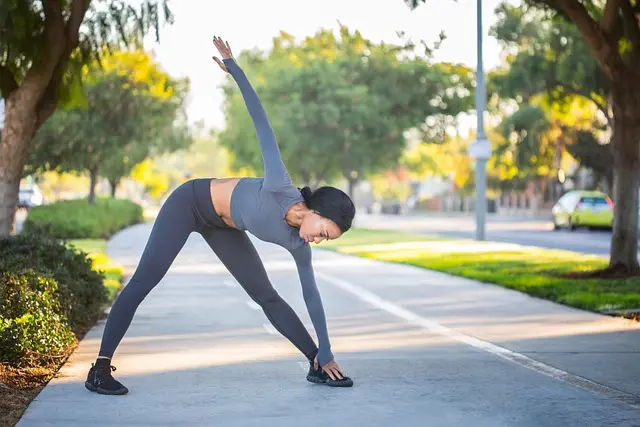
Incorporating stretching into recovery routines is essential for maintaining elasticity in muscles and connective tissues. Stretching can help alleviate muscle tightness after workouts, increasing flexibility to prevent injuries. Static stretching is particularly effective when the muscles are warm and has been shown to improve joint range of motion. Dynamic stretching, on the other hand, can help prepare muscles before engaging in workouts. Balancing these types of stretching enhances overall mobility and is a critical element of recovery for athletes.
7. The Role of Foam Rolling
Also known as self-myofascial release, using a foam roller can play a significant role in muscle recovery. Foam rolling helps to break down knots in muscles, easing tension and promoting blood flow. Engaging in foam rolling post-exercise can help speed up recovery time and decrease soreness. According to a study published in the International Journal of Sports Physical Therapy, foam rolling significantly reduces muscle soreness after intense workouts. Athletes should consider adding this technique to their post-training routine to maintain muscle health.
8. Massage Therapy: Professional Touch
A technique many athletes swear by is massage therapy. Regular massages can alleviate muscle tension, enhance relaxation, and promote circulation. Whether therapeutic or sports-focused, these massages serve to reduce soreness post-exercise and assist with muscle recovery. A meta-analysis conducted by the Journal of Sports Science and Medicine suggests that massage therapy can provide immediate benefits for soreness reduction. Integrating regular sessions with a qualified massage therapist can optimise recovery and enhance athletic performance.
9. Cold Water Immersion: Invigorating Recovery
Cold water immersion, or ice baths, is a unique recovery technique that many athletes utilise to alleviate muscle soreness after intense training. Cold exposure can constrict blood vessels, reducing swelling and muscle damage. A systematic review conducted by Temperature has demonstrated that cold water immersion significantly decreases muscle soreness after exercise. Athletes should ensure that the water temperature is around 10-15 degrees Celsius and immerse for 10-15 minutes post-workout for optimal benefits.
10. Mental Recovery: Psychological Aspects
Athletes often overlook the psychological component of recovery. Mental recovery is essential and involves relaxation techniques like meditation, breathing exercises, and mindful practices. Such methods can alleviate stress and anxiety, improving the body's physiological response to fatigue. Research conducted by Harvard Health suggests that mindfulness can enhance overall performance and well-being. Incorporating mental relaxation practices can lead to improved focus and readiness for future training sessions.
Conclusion
Incorporating these recovery techniques into an athlete's routine can greatly enhance performance, reduce injury risk, and promote overall well-being. Consulting with professionals can also support athletes in personalising a recovery strategy that suits their needs. Remember, effective recovery is just as important as training itself.
Checklist before Recovery
- [ ] Ensure adequate hydration post-training.
- [ ] Consume a balanced meal with carbs and protein.
- [ ] Engage in active recovery exercises.
- [ ] Prioritise sleep (7-9 hours).
- [ ] Consider compression therapy after exhausting sessions.
Glossary
| Terme | Définition |
|---|---|
| Compression Therapy | Technique impliquant des vêtements ajustés pour aide à la circulation et à la récupération. |
| Active Recovery | Exercices légers réalisés après un entraînement pour favoriser la circulation. |
| Foam Rolling | Automassage effectué avec un rouleau en mousse pour aider à réduire les tensions musculaires. |
> 📺 Pour aller plus loin : Techniques de récupération pour les athlètes, une analyse complète de ces pratiques essentielles. Recherchez sur YouTube : "essential recovery techniques for athletes 2026".
📺 Pour aller plus loin : essential recovery techniques for athletes 2026 sur YouTube
Recommended products
Selected by our experts

L'Oréal Professionnel Blond Studio 8 Levels Multi Techniques Sachet 50g
sallybeauty.co.uk


Joico Moisture Recovery Conditioner By For Unisex - 8.5 Oz Conditioner , 250 ml
onbuy.com