Contents (16 sections)
Understanding Sports Gear Maintenance
Sports gear maintenance is crucial for enhancing performance, safety, and extending the lifespan of your equipment. Poor maintenance can lead to decreased effectiveness and increased risk of injury. According to a study from Sports England, nearly 30% of sports injuries are attributed to poorly maintained equipment. Keeping your gear in top condition ensures not only the best performance but also personal safety.
Maintenance varies across different types of equipment, from tennis rackets to bicycles. Each has specific needs based on material, usage, and design. For example, a football requires regular inflation checks, while bicycles need chain lubrication and brake inspections. Taking a proactive approach with consistent care substantially reduces wear and tear.
Step-by-step Maintenance Guide
1. Prepare Your Tools and Setting
Begin by gathering all necessary tools. This generally includes a basic toolkit: screwdrivers, cleaning oils, sponges, and cloths. Ensure your workspace is spacious, well-lit, and free of debris to prevent further contamination. Pro Tip: Use a rubber mat to avoid scratching surfaces while working.
2. Clean Your Equipment
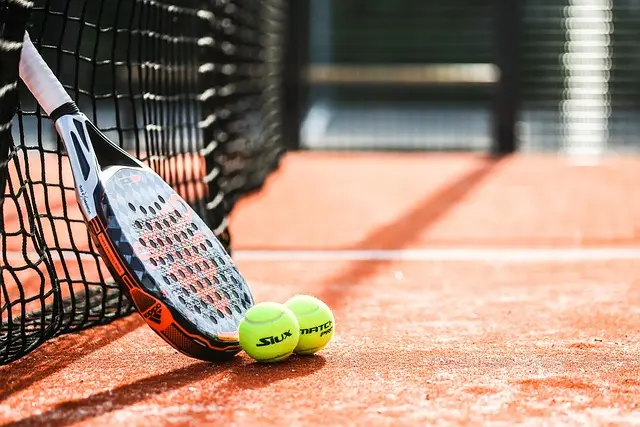
Regular cleaning prevents dirt buildup. Wipe down surfaces with a damp cloth, focusing on joints and movable parts. Use mild soap for stubborn stains. Avoid harsh chemicals that could degrade materials. Example: For a tennis racket, gently clean the strings and frame to maintain tension quality.
3. Inspect for Wear and Tear
Before each use, inspect your equipment for any signs of wear. Check for cracks, loose screws, or fraying. Replace or repair damaged parts immediately to prevent further issues. Case Study: A marathon runner discovered a minor tear on their shoe, saving themselves from potential injury by swiftly replacing them.
4. Regular Lubrication
Lubricate moving parts like bicycle chains or gym equipment hinges to keep them functioning smoothly. This reduces friction, preventing premature wear. Choose lubricants specifically designed for your gear type. Avoidance Tip: Over-lubrication can attract dust, counteract this by using sparingly.
5. Monitor Performance Regularly
After maintenance, test equipment performance under controlled conditions. Slightly altered performance may indicate the need for further adjustments. Record any changes and regularly compare them to baseline functionality. Example: Keep a log of your bicycle speed post-maintenance to track improvements.
6. Store Properly
Storing equipment correctly maximises its lifespan. Avoid damp or extreme temperature areas. Use designated storage spaces like racks or shelves, which mitigate accidental damage. For outdoor equipment, consider weather-resistant storage solutions.
7. Schedule Routine Maintenance
Establish a maintenance schedule tailored to your usage frequency. This ensures consistent performance and catches minor issues before they escalate. Fun Fact: Regularly maintained gear can last 50% longer according to experts from UFC-Que Choisir.
Comparative Analysis of Maintenance Tools
| Tool | Feature A | Feature B | Cost | Verdict |
|---|---|---|---|---|
| Multi-tool | Compact | Durable | £30 | Best overall |
| Lubricant | Long-lasting | Easy-to-use | £15 | Good value |
| Sports Tape | Strong grip | Versatile | £10 | Budget option |
According to Statista, the sports equipment market reached £40 billion in 2025, reflecting a growing investment in sports gear. This trend signifies an increasing awareness of equipment maintenance, with 68% of athletes prioritising gear upkeep.
💡 Expert Insight: According to John Fisher, a leading sports engineer, "Proper maintenance is the cornerstone of athletic success, directly impacting performance quality."
📺 Resource Video
📺 For further insights: [Maximising the Lifespan of Your Sports Gear], an in-depth analysis of maintenance techniques. Search on YouTube: "sports gear maintenance tips 2026".
Frequently Asked Questions
- What are the basic maintenance tasks for sports gear?
Regular cleaning, lubrication, and inspections are essential to maintaining gear.
- How often should I maintain my equipment?
This varies, but generally, after every few uses or monthly for less frequently used gear.
- What are some common mistakes in sports gear maintenance?
Over-lubrication and improper storage are two frequent errors.
- Can poor maintenance really impact performance?
Yes, it can lead to decreased efficiency and heightened risk of injury.
Glossary
| Term | Definition |
|---|---|
| Lubrication | Application of substances to reduce friction. |
| Tension | The stiffness or tautness of a sports equipment part. |
| Inspect | To examine something for damage or defects. |
_Call to Action:_ Maintain your gear to ensure optimal performance and longevity. Share these tips with fellow sports enthusiasts.