Contents (9 sections)
Selecting the right running shoes is vital for both performance and injury prevention. As runners, we experience varied terrains, personal preferences, and unique foot structures. This guide will provide you with essential tips to find the perfect fit, ensuring a comfortable and effective running experience.
1. Understand Your Foot Type
Choosing the right running shoes starts with understanding your foot type. The shape of your arch influences how your foot interacts with the ground. There are three primary foot types: flat, high arch, and neutral. Flat-footed individuals may benefit from motion control shoes, while those with high arches often require cushioned shoes for support. Neutral runners can work well with stability shoes. According to a study by the American Orthopaedic Foot & Ankle Society, matching shoe type to foot shape can reduce the risk of injuries by 50%. Therefore, visiting a specialised store for a foot assessment can be a game-changer.
2. Get the Right Fit
Once you know your foot type, the next step is to ensure proper fit. Consider both length and width. Your running shoes should be snug, but not overly tight, allowing about a thumb's width of space at the toe box. Remember, feet can swell during runs, so try shoes on later in the day or after a workout for the best fit. Many brands offer specific fitting guides that can aid your selection process. It's also helpful to bring along the socks you plan to wear on your runs to ensure the best fit.

3. Test them on the Move
It's essential to test running shoes before making a purchase. Most reputable stores encourage this by providing treadmills or running areas. When trying on shoes, run for a few minutes, feeling for comfort and stability. Pay attention to any discomfort around the heel or arch. Experiences from users suggest testing on surfaces similar to where you usually run, be it pavement, trails, or treadmills, to accurately gauge shoe performance.
4. Consider Your Running Style
Your running style plays a significant role in your shoe choice. Runners exhibit various styles, from heel-striking to midfoot or forefoot striking. For instance, heel strikers may require shoes with more cushioning to absorb impact, while those who land on their midfoot could benefit from shoes offering stable support. Data from the Sports Science Institute indicates that matching shoe attributes with running style can significantly enhance performance and comfort. Assessing your running gait can help in making informed decisions.
5. Understand Terrain
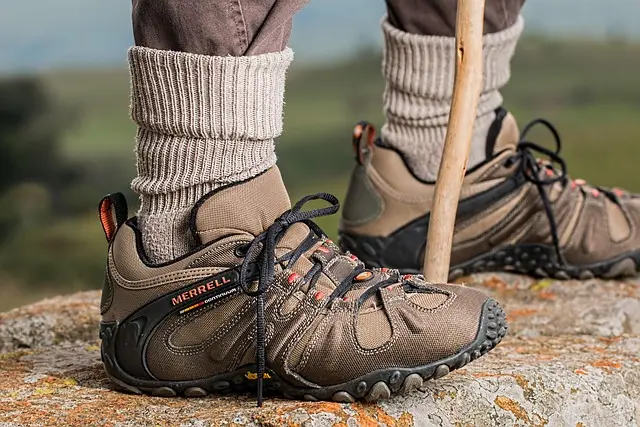
Different terrains require different shoe characteristics. Trail running shoes typically have deeper treads for grip and durability compared to road shoes designed for smooth surfaces. If you alternate between trail and road running, consider a versatile shoe that can handle both environments effectively. Many brands offer adaptive options designed for hybrid running, ensuring you maintain performance regardless of the environment. Statistics from running communities suggest that wearing the right shoes for the respective terrain can prolong shoe life and enhance your running experience.
Conclusion
When investing in running shoes, remember the right fit, understanding your foot type, running style, and terrain are all crucial factors. Consult with experts in stores, test out shoes personally, and don’t hesitate to ask questions. Discovering the right pair can lead to improved performance, longevity of use, and prevention of injuries.
Checklist for Buying Running Shoes
- [ ] Identify your foot type.
- [ ] Measure your foot size.
- [ ] Test the shoes before purchase.
- [ ] Consider your running style.
- [ ] Check for appropriate terrain compatibility.
- [ ] Research and compare brands.
- [ ] Look for durability and comfort guarantees.
Glossary
| Terme | Définition |
|---|---|
| Cushioning | La capacité d'une chaussure à absorber les chocs pendant la course. |
| Stability Shoes | Type de chaussure conçu pour offrir un soutien supplémentaire, idéal pour les coureurs ayant une pronation excessive. |
| Arch Type | La forme de la voûte plantaire, indiquant comment le pied se plie lors de la marche ou de la course. |
> 🧠 Quiz rapide : What type of running shoe is best for trail running?
> - A) Cushioned shoes
> - B) Trail running shoes
> - C) Road running shoes
> Réponse : B — Trail running shoes are specifically designed for off-road conditions, providing better grip and stability.
📺 Pour aller plus loin : Discover essential tips for choosing the best running shoes for your needs. Search on YouTube: how to choose running shoes.
Recommended Products:
- - - ---
📺 Pour aller plus loin : how to choose running shoes sur YouTube

On Running Running Clubhouse X The Roger Running Shoes Grey UK 6.5 Men
runnerinn.com

Recommended products
Selected by our experts