Contents (13 sections)
Starting in a new sport can be both exhilarating and overwhelming, especially when it comes to choosing sports equipment. Having the right gear not only enhances your performance but also ensures your safety and enjoyment. This guide will provide you with ten essential tips to help you navigate through the choices available in the market today.
1. Identify Your Sport and Understand Its Requirements
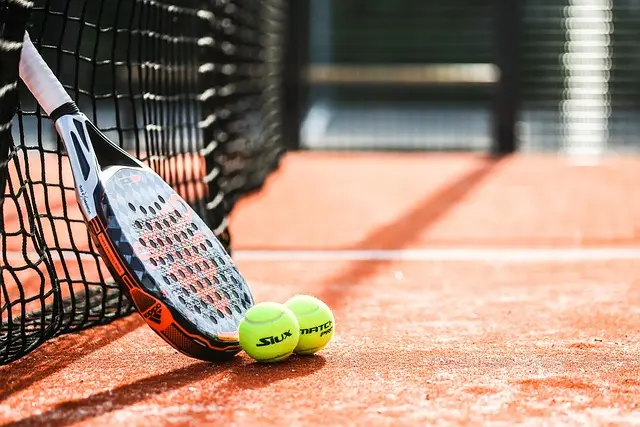
Before you delve into purchasing equipment, it’s crucial to clearly identify the sport you want to engage in. Each sport has unique requirements, varying from protective gear to specific types of equipment. For instance, if you are looking to play tennis, you will need a racket and appropriate footwear designed for court play. Similarly, cycling requires a bike suited to your intended riding style, whether it be road, mountain, or casual cycling.
Understanding these requirements is the first step in choosing sports equipment effectively. According to the Sport and Recreation Alliance, ensuring that you meet the basic needs of your chosen activity can enhance your performance and reduce the risk of injury.
2. Set a Budget
It's vital to establish a budget before shopping for sports equipment. Prices can vary significantly based on brand, quality, and features. Setting a budget helps you filter out options that are beyond your financial reach, allowing you to make informed decisions without overspending. Keep in mind that while it can be tempting to go for the cheapest option, investing in quality can lead to better performance and durability. For beginners, it’s often wise to balance quality with cost, opting for gear that falls within the mid-range price point.
3. Research Before You Buy
In the digital age, information is at your fingertips. Use it to your advantage by conducting thorough research. Look for reviews, watch product demonstrations, and gather knowledge about what others recommend. Websites such as UFC-Que Choisir and Les Numériques provide reliable customer feedback and test results that can guide your choices. Pay attention to the experiences of others who share similar skill levels and usage needs, as this will give you a practical perspective on what works and what doesn’t.
4. Focus on Fit and Comfort
When it comes to sports equipment, fit and comfort cannot be overlooked. Regardless of how advanced or expensive a piece of equipment may be, if it does not fit well or feels uncomfortable, it can negatively impact your performance and enjoyment. For example, if you're purchasing running shoes, it’s essential to try them on and test them for fit, ensuring they support your feet adequately. Many stores offer fitting services or return policies which allow you to test equipment at home.
5. Safety First: Prioritise Protective Gear
In many sports, particularly contact sports, having the right protective gear is non-negotiable. This may include helmets, pads, or other forms of protective clothing. Not only does this equipment protect you from injury, but it also allows you to enjoy your sport with peace of mind. Make sure to check the safety standards and certifications of protective gear, referenced from reliable bodies such as ISO standards, to ensure you’re adequately shielded.
6. Buy from Reputable Brands and Retailers
While shopping, favour reputable brands and retailers to ensure the quality and reliability of your equipment. Established brands often provide warranties and customer service that can be invaluable should you encounter issues with your purchase. Look out for brands known for their commitment to quality and customer satisfaction, and don't hesitate to check for online or local reviews. Trust is essential when it comes to making substantial investments in sports equipment.
7. Consider Used or Second-Hand Options
For beginners, purchasing new sports equipment can be daunting due to high costs. One alternative is to explore second-hand or used gear, which can often be found in excellent condition at a fraction of the cost. Platforms like eBay, Facebook Marketplace, and local sports shops often have options for pre-owned equipment. However, ensure you carefully inspect any used items for wear and damages before buying.
8. Evaluate Your Playing Environment
The environment in which you will be using your sports equipment can greatly influence your choice. For example, if you plan to participate in outdoor sports, consider factors like the weather conditions and terrain. For instance, hiking boots must suit the particular trails you will encounter—more rugged footwear for tougher terrains and lightweight for casual walks. Assessing your playing environment helps ensure that the equipment you choose will perform well in those circumstances.
9. Consult Experienced Players
One of the best resources you have at your disposal is the community of more experienced players. Engage with individuals who have been involved in your chosen sport for a longer period and ask for advice on selecting equipment. They can offer insights based on their firsthand experiences and preferences, which can be incredibly beneficial—saving you time and money while honing in on the right choices.
10. Test Before You Commit
Finally, whenever possible, try out equipment before making a purchase. Many sporting goods stores offer demo equipment or rental options, enabling you to experience the feel of the equipment firsthand. Attend local sports clubs or community sessions where you can test various gear without the long-term commitment of a purchase. This approach not only helps you find a suitable choice but also makes the buying process much less overwhelming.
Checklist Before Purchase
- [ ] Define the sport and equipment needs
- [ ] Set a clear budget
- [ ] Research options online
- [ ] Ensure fit and comfort
- [ ] Prioritise safety gear
- [ ] Purchase from reputable brands
- [ ] Consider second-hand options
- [ ] Evaluate the playing environment
- [ ] Seek advice from experienced players
- [ ] Test equipment before purchase
Glossary
| Terme | Définition |
|---|---|
| Équipement sportif | Ensemble des outils nécessaires pour pratiquer un sport spécifique. |
| Protection | Éléments de sécurité pour prévenir les blessures pendant le sport. |
| Performance | Mesure de l’efficacité et des compétences d’un athlète lors de la pratique d'un sport. |
> 💡 Avis d'expert : Avoir un équipement adapté à votre niveau et à votre sport est crucial pour maximiser vos performances et réduire le risque de blessures. Assurez-vous de passer en revue des ressources fiables avant d'investir.
📺 Pour aller plus loin : How to Choose the Right Sports Equipment, une analyse complète sur les choix d'équipements sportifs. Recherchez sur YouTube : "how to choose sports equipment for beginners".
📺 Pour aller plus loin : How to Flip Used Sports Equipment for Profit (Beginner's Guide) sur YouTube
Recommended products
Selected by our experts

8MP Full HD 12X Optical Zoom 3D Object Presenting equipment Document Camera Scanner A3 Desktop HDM Visual Presenter for Trainer
Alibaba UK


SK400II Professional photography equipment Compact 400Ws Photo Studio Flash Strobe flash light
Alibaba UK

Falcon Eyes Professional 18" Big Strobe Photography Equipment Wireless Led Light Ring Lamp
Alibaba UK

Jinghao Health Equipment BSCI Certification Open Fit Hearing Aid Earphone Earbud
Alibaba UK

Call center equipment bluetooth wireless cell phone headset BLUETOOTH HEADSETS
Alibaba UK