Contents (24 sections)
Playing sports brings joy and numerous health benefits, but it also comes with an inherent risk of injuries. Understanding how to prevent sports injuries is essential for athletes of all levels. According to a report by UFC-Que Choisir, millions of sports injuries occur annually, with many being preventable through proper techniques and precautions. In this article, we will explore 10 effective tips that can help you stay injury-free while enjoying your favourite activities.
1. Warm Up Properly
The Importance of Warming Up
Warming up is critical before engaging in any physical activity. A proper warm-up increases blood flow to your muscles, improving flexibility and reducing the risk of strains or sprains. Spend at least 10-15 minutes doing light aerobic exercises, followed by dynamic stretches targeting the muscle groups you'll engage during your sport.
For example, if you're playing football, dynamic stretches like leg swings and hip circles can prepare your body for the lateral movements required. Dedicating time to your warm-up routine can significantly minimise potential injuries.
2. Invest in Quality Gear
Choosing the Right Equipment
Using the appropriate sports equipment is paramount in preventing injuries. Investing in high-quality, well-fitted gear tailored to your sport can make a substantial difference. For instance, basketball players should consider shoes that offer excellent ankle support, while runners might benefit from shoes designed for their gait type.
Additionally, protective gear such as shin guards, helmets, or knee braces can help safeguard against specific injuries. Remember, the right fits not only enhance performance but also act as a barrier against injuries.


Supacore CORETECH Injury Recovery and Prevention Compression Shorts - Medium
vivomed.com

Essity Tensoplast Elastic Adhesive Bandage (EAB) – Sports Strapping Support Tape 5cm x 4.5m
vivomed.com
3. Practice Good Technique
Mastering Your Skills
Every sport has its techniques that, when practiced correctly, can reduce injury risk. However, poor form often leads to injuries. Whether you're lifting weights, playing tennis, or jogging, learn the correct techniques for your activities.
Engaging in coaching or instructional sessions can be beneficial. Research indicates that athletes who focus on improving their technique—such as correct foot placement in running—experience significantly fewer injuries (as highlighted by various sports health studies).
4. Listen to Your Body
Understanding Your Limits
Sports can be intense, and pushing through pain can lead to injuries. It's crucial to listen to your body and recognise when to rest. Fatigue can lead to a lack of focus and improper technique, increasing the risk of accidents.
For example, if you feel persistent pain in your knees after a run, it might be a signal to adjust your training schedule or consult with a professional. Awareness of your body’s signals can save you from more severe injuries in the long run.
5. Stay Hydrated
The Role of Hydration
Dehydration can adversely affect performance and increase the likelihood of injuries. During physical activities, your body loses fluids, and sufficient hydration is essential for maintaining muscle function and joint lubrication.
Athletes should aim to drink water before, during, and after exercise, with a focus on sports drinks for longer sessions to replenish electrolytes. According to a study by 60 Millions de Consommateurs, adequate hydration can reduce the chance of cramps and muscle strain by up to 25%.
6. Strength Training
Building a Resilient Body
Incorporating strength training into your routine not only enhances your performance but also prepares your body to withstand sports-related stresses. Stronger muscles and tendons provide better support to your joints, reducing injury risk.
Focusing on core strength can improve stability and balance, essential qualities in preventing falls or awkward movements that may cause injury. Aim for balanced workouts that target different muscle groups to ensure overall strength development.

Ergonomics – Steps to Reduce Workplace Related Injuries Certificate Course
Learning 24/7

Tollco K90XL Drip Leak Prevention Tray Fridge/Freezer 91.2 cm Transparent
Boxed2me

Infection Prevention & Control for Clinical Staff CPD Accredited Online Course
Learning 24/7
7. Don't Skip the Cool Down
The Benefits of Cooling Down
After intense physical activity, a cool-down phase is equally vital as warming up. Gradually decreasing your heart rate and stretching can help prevent muscle stiffness and soreness while also reducing injury risk.
For effective cooling down, spend at least 5-10 minutes performing light stretches or low-intensity activities. Regularly incorporating this practice can significantly aid in muscle recovery and injury prevention.
8. Include Rest Days
Importance of Recovery
Rest days are a critical aspect of any training programme. Overtraining can lead to fatigue and increased susceptibility to injuries. Schedule regular rest days to allow your body to recover and heal.
This doesn’t mean complete inactivity; engage in lighter activities, such as walking or yoga, to keep your body moving without the intensity of your regular workouts. Studies show that consistent rest days aid recovery and long-term performance improvements.
9. Cross-Training
Diversifying Your Routine
Cross-training involves engaging in different sports or exercises, which can enhance your overall fitness and help prevent injuries. By working various muscles and reducing repetitive strain on one specific group, athletes often experience better performance and fewer injuries.
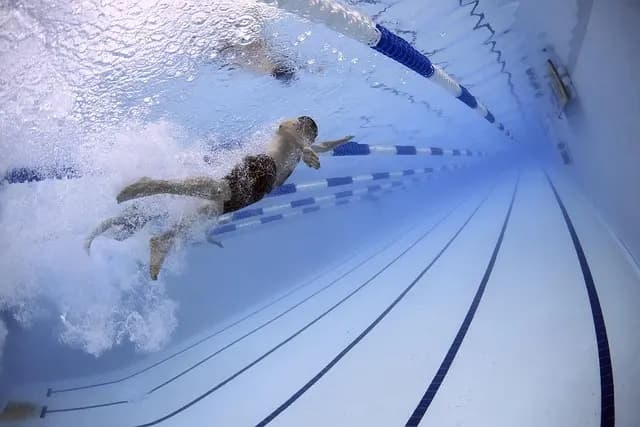
For example, a swimmer might incorporate running or cycling into their routine. This not only keeps the training interesting but also develops other essential muscle groups, promoting overall body strength and resilience.
10. Consult Professionals When Needed
The Importance of Expertise
Finally, don’t hesitate to seek professional advice if you're unsure about your training regimen or dealing with persistent injuries. A physiotherapist or sports psychologist can provide tailored advice and strategies to keep you fit and prevent injuries.
They can also help create a personalised training plan that considers your individual goals and history, maximising your efficiency while ensuring safety.
Checklist for Preventing Sports Injuries
- [ ] Warm up properly before each session.
- [ ] Use appropriate and well-fitted gear for your activity.
- [ ] Master techniques and forms relevant to your sport.
- [ ] Listen to your body and take breaks as needed.
- [ ] Stay hydrated before, during, and after activities.
- [ ] Include strength training in your routine.
- [ ] Cool down properly after workouts.
- [ ] Schedule regular rest days.
- [ ] Consider cross-training to balance muscle use.
- [ ] Consult experts for personalised advice.
Glossary
| Terme | Définition |
|---|---|
| Prévention des blessures | Stratégies et pratiques destinées à réduire le risque de blessures pendant la pratique sportive. |
| Équipement protecteur | Matériaux et vêtements conçus pour ménager le corps d’athlètes contre les blessures. |
| Entraînement croisé | Pratique de plusieurs types d'exercices ou sports afin d'améliorer l'ensemble des capacités physiques. |
📺 Ressource Vidéo
For further insights, check out [How to Prevent Common Sports Injuries], a comprehensive analysis on YouTube: prevent sports injuries tips.
📺 Pour aller plus loin : prevent sports injuries tips sur YouTube
Recommended products
Selected by our experts

Tollco K120XL Drip Leak Prevention Tray Fridge/Freezer 119.5 cm Transparent
Boxed2me

Push Sports Wrist Support – Lightweight Compression Wrap for Training & Everyday Stability - Right
vivomed.com


Essity Tensoplast Elastic Adhesive Bandage (EAB) – Sports Strapping Support Tape 5cm x 4.5m
vivomed.com

Infection Prevention & Control for Non-clinical Staff CPD Accredited Online Course
Learning 24/7