Contents (16 sections)
The right recovery techniques can significantly enhance athletic performance and prevent injury. In this blog post, we explore essential methods to maximise your sports recovery. Incorporating these tips into your routine can assist not only in quicker recovery but also in achieving your fitness goals more effectively.
1. Hydration Matters
Proper hydration is crucial for effective recovery. After strenuous exercise, your body loses fluids and electrolytes, which are essential for muscle function. Aim to drink at least 500ml of water within 30 minutes post-workout and continue hydrating throughout the day. Studies suggest that even mild dehydration can impair performance and recovery, affecting up to 20% of strength and endurance. To enhance recovery, consider hydration solutions that contain electrolytes and vitamins, as these can replenish what you lose during workouts.
2. Prioritise Nutrition
Nutrition plays a vital role in recovery. Consuming a balanced meal within two hours after exercising can expedite muscle repair and glycogen replenishment. Focus on meals that combine protein and carbohydrates, such as a smoothie with protein powder and fruit, or a chicken and quinoa salad. Research shows that athletes who consume protein post-exercise recover faster than those who don't, with a 25% increase in muscle repair rates.


3. Rest and Sleep
Never underestimate the power of rest. Quality sleep is paramount for recovery, as this is when your body repairs and builds muscle tissues. Experts recommend 7-9 hours of sleep per night for optimal recovery. Implementing a sleep routine—such as going to bed at the same time each night and avoiding screens before bedtime—can significantly improve your sleep quality and recovery outcomes. Sleep deprivation can lead to a 30% decrease in recovery effectiveness.
4. Active Recovery Techniques
Engaging in low-intensity exercise, known as active recovery, can enhance blood circulation and speed up the delivery of nutrients to muscles. Consider light activities such as walking, cycling, or swimming. Research indicates that active recovery can reduce muscle soreness and improve performance metrics in subsequent workouts. Aim for 15–30 minutes of low-level activity after intense training sessions to promote recovery.
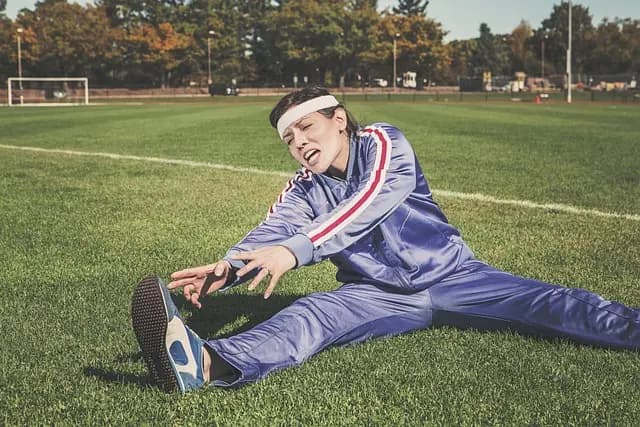
5. Stretching and Mobility Work
Incorporating stretching into your routine not only aids in flexibility but also enhances recovery by aiding muscle relaxation. Dynamic stretching before workouts prepares muscles for exertion, while static stretching post-workout can help reduce muscle stiffness. According to a report from the American College of Sports Medicine, individuals who complement their training with regular stretching observe a 25% improvement in overall flexibility and recovery time.
6. Seek Professional Help with Massage Therapy
Massage therapy can be a powerful tool in recovery. It helps increase blood flow, reduces muscle tension, and alleviates pain. Research conducted by the Journal of Athletic Training shows that massage therapy can improve recovery by up to 30%. Whether you opt for a professional massage or practice self-massage techniques, incorporating this into your routine can lead to more efficient recovery.


Amazfit T-Rex 2 3.53 cm (1.39") AMOLED 47 mm Digital 454 x 454 pixels Touchscreen Black GPS (satellite)
Back to the Office
7. Compression Wear and Gear
Using compression garments is another effective method to enhance recovery. Studies reveal that wearing compression clothing can improve circulation, reducing the time it takes for muscles to recover and lower muscle soreness. Compression gear is suitable for various sports and is an excellent addition to your recovery arsenal. Over the years, many athletes have reported improved performance and reduced recovery times with the aid of these garments.
8. Monitor Your Body's Signals
Listening to your body is critical. Signs of fatigue or prolonged soreness indicate that more recovery time is needed. Incorporate rest days or lighter workout sessions to allow your body to recover effectively. Self-assessment tools that track your recovery metrics can provide valuable insights and help tailor your training plans. Failing to heed these signals can lead to overtraining, which adversely affects performance.
9. Incorporate Foam Rolling
Foam rolling is a popular self-myofascial release technique that can significantly aid recovery. It helps release muscle knots, increases blood flow, and reduces muscle tightness. Using a foam roller for 10-15 minutes post-workout can decrease delayed onset muscle soreness (DOMS) by up to 25%. This simple activity can be easily incorporated into your cool-down routine, ensuring your muscles remain healthy and functional.
10. Use Technology to Your Advantage
With advancements in technology, various gadgets are now available to assist with recovery. Devices like smartwatches and fitness trackers help monitor heart rate variability, sleep patterns, and recovery status. Many athletes find that using technology for tracking these metrics helps them make informed decisions about their training and recovery processes. Quantifying progress is crucial for continuous improvement in performance.
📺 Ressource Vidéo
> 📺 Pour aller plus loin : Comment optimiser votre récupération sportive, une analyse complète de techniques de récupération après l'effort. Recherchez sur YouTube : "optimiser récupération sportive 2026".
Glossaire
| Terme | Définition |
|---|---|
| Récupération active | L'activité physique à faible intensité après un exercice intense pour favoriser le rétablissement. |
| DOMS | Douleurs musculaires d'apparition retardée, souvent après un exercice inhabituel ou intense. |
| Compression | Technique de port de vêtements ajustés pour améliorer la circulation sanguine et réduire l'effort musculaire. |
Checklist avant achat
- [ ] Vérifiez votre niveau d'hydratation.
- [ ] Planifiez des repas riches en protéines après l'exercice.
- [ ] Établissez une routine de sommeil constante.
- [ ] Intégrez des jours de récupération active.
- [ ] Évaluez votre corps pour identifier les besoins de repos.
Conclusion
Incorporer ces stratégies de sports recovery dans votre routine peut non seulement améliorer votre performance mais aussi optimiser votre santé au long terme. Experiment with these techniques and feel the difference in your recovery. Remember, a well-recovered athlete is a high-performing athlete!
📺 Pour aller plus loin : optimiser récupération sportive 2026 sur YouTube
Recommended products
Selected by our experts


Amazfit T-Rex 2 3.53 cm (1.39") AMOLED 47 mm Digital 454 x 454 pixels Touchscreen Black, Green GPS (satellite)
Back to the Office


Amazfit T-Rex 2 3.53 cm (1.39") AMOLED 47 mm Digital 454 x 454 pixels Touchscreen Beige, Black GPS (satellite)
Back to the Office

Polar Vantage V3 GPS Multisport Watch Advanced Heart Rate Monitor Offline Maps Triathlon & Running Watch
gadcet.com

Epson EB-L790SU Short throw projector 7000 ANSI lumens 3LCD WUXGA (1920x1200) White
Back to the Office