Contents (13 sections)
Running is not just about putting one foot in front of the other; it requires proper technique to enhance performance and prevent injury. Whether you're a beginner or a seasoned runner, improving your running technique can lead to impressive results. In this article, we will explore ten simple tips designed to help you refine your technique and enjoy a more efficient running experience.
1. Focus on Your Posture
Maintaining an upright posture while running is essential. Keeping your head aligned with your spine prevents unnecessary strain on your back and neck. Your shoulders should be relaxed, and your arms should move naturally at your sides, not crossing your body. A good posture ensures that your energy is used effectively, allowing you to run efficiently for longer distances. Some runners find that visualising a straight line from their head to their feet helps maintain proper form.
2. Pay Attention to Your Foot Strike
The way your foot strikes the ground plays a significant role in your running efficiency. Aim to land midfoot, rather than on your heels or toes. A midfoot strike helps in distributing the impact forces evenly through your legs and reduces the risk of injuries such as shin splints. Running on a softer surface can also help you practice and eventually adopt this foot strike more comfortably.



3. Shorten Your Stride
Long strides may seem beneficial, but they can actually lead to overstriding and increased risk of injury. Instead, focus on taking shorter, quicker steps. This technique not only helps in maintaining a faster pace but also decreases the landing impact on your joints. Many experienced runners recommend aiming for a cadence of around 170-180 steps per minute for optimal efficiency.
4. Use Your Arms Efficiently
Arm movement plays a critical role in your running technique. Allow your arms to swing naturally at your sides, with your elbows forming an angle of about 90 degrees. Engaging your arms will help maintain your momentum and improve your balance. Try to avoid crossing them over your body; this can disrupt your form and lead to wasted energy.
5. Practice Breathing Techniques
Breath control is often overlooked but can significantly impact your performance. Practicing rhythmic breathing can help provide your muscles with adequate oxygen during runs. A common method is the 2:2 technique, where you inhale for two strides and exhale for two strides. This pattern can help improve your endurance and keep your pace consistent.
6. Strengthen Your Core
A strong core stabilises your entire running form. Incorporating exercises that target your abdominal and back muscles can improve your posture, reduce fatigue, and allow for more powerful running strides. Core exercises such as planks, bridges, or even Pilates can contribute significantly to your overall running performance. A strong core ensures better propulsion during running.


Books/DVDs Rendering in Pen and Ink: The Classic Book on Pen and Ink Techniques for Artists, Illustrators, Architects and Designers : Book by Arthur
craftyarts.co.uk

7. Gradually Increase Your Distance
It's vital to increase your running distance and intensity gradually to avoid injuries. The 10% rule suggests that you should increase your weekly mileage by no more than 10%. This incremental approach allows your body to adapt to new stresses without overloading your muscles and joints. Patience is key; listen to your body and rest when necessary.
8. Incorporate Stretching and Mobility Work
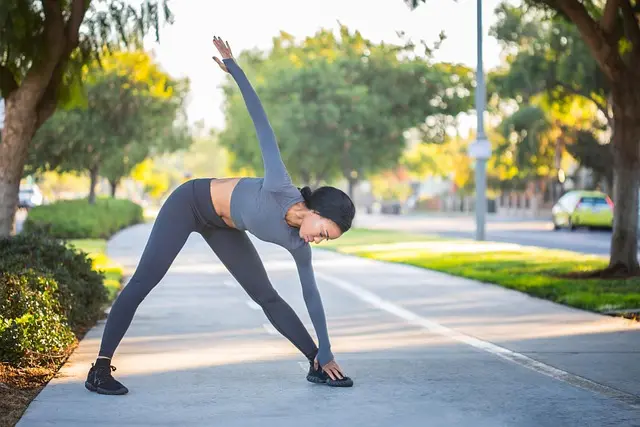
Flexibility plays a crucial role in your running technique. Incorporating dynamic stretching before runs and static stretching after can improve your overall flexibility and aid in muscle recovery. Focus on major muscle groups used in running, such as hip flexors, hamstrings, and calves. Regular mobility work can prevent stiffness and enhance your range of motion.
9. Use the Right Footwear
Choosing the right running shoes is critical for your technique and overall performance. Ensure that your shoes provide adequate support and cushioning, tailored to your foot type and running style. Consider visiting a specialised running store where staff can analyse your gait and recommend suitable options. Proper footwear can help maintain your form and reduce injury risk.
10. Listen to Your Body
Finally, always listen to your body. If you feel any discomfort or pain while running, don't push through it. Acknowledge signs of fatigue and take a break if necessary to prevent serious injuries. This approach also includes varying your running routine to include rest days, cross-training, and even incorporating strength training.
Checklist before running:
- [ ] Maintain an upright posture.
- [ ] Focus on your foot strike.
- [ ] Shorten your stride.
- [ ] Efficiently use your arms.
- [ ] Control your breathing technique.
- [ ] Strengthen your core.
- [ ] Gradually increase your running distance.
- [ ] Incorporate stretching and mobility work.
- [ ] Ensure you have the right footwear.
- [ ] Listen to your body’s signals.
Glossary
| Terme | Définition |
|---|---|
| Cadence | Le nombre de pas effectués par minute pendant la course. |
| Flexibilité | La capacité des muscles et des articulations à s'étendre et à se déplacer. |
| Core | Le centre du corps, y compris les muscles abdominaux et lombaires, important pour la stabilité. |
> 📺 Pour aller plus loin : Running Techniques Explained, une analyse complète des meilleures pratiques en course à pied. Recherchez sur YouTube : "improve running technique 2026".
🧠 Quiz rapide : Quel est le meilleur point de départ pour améliorer la technique de course ?
- A) Courir plus vite.
- B) Maintenir une bonne posture.
- C) Ignorer la douleur.
Réponse : B — Une bonne posture est cruciale pour maximiser l'efficacité.
📺 Pour aller plus loin : improve running technique 2026 sur YouTube
Recommended products
Selected by our experts



L'Oréal Professionnel Blond Studio 8 Levels Multi Techniques Sachet 50g
sallybeauty.co.uk