Contents (14 sections)
Athletic performance is a significant concern for athletes and fitness enthusiasts alike. Whether you’re a seasoned professional or just starting, there are countless strategies you can utilise to improve sports performance. In this article, we will explore ten accessible techniques that can help elevate your performance with minimal hassle.
1. Establish Clear Goals
Setting specific, achievable goals is critical. By defining what you want to achieve—be it increasing your speed, strength, or endurance—you create a roadmap for your training. According to Psychology Today, goal-setting can enhance motivation and performance. For instance, instead of aiming to "get fit," you might set a goal to run 5 km in under 25 minutes. This specific target offers a clear focus for your training efforts.
2. Emphasise Proper Nutrition
Nutrition plays a vital role in athletic performance. Fueling your body with the right nutrients can significantly impact your energy levels and recovery. For example, Sports Nutrition experts recommend a balanced diet rich in carbohydrates, proteins, and healthy fats to support athletic performance. Incorporating foods high in omega-3 fatty acids, like fish, can also help reduce inflammation and aid recovery.
3. Implement a Structured Training Regimen
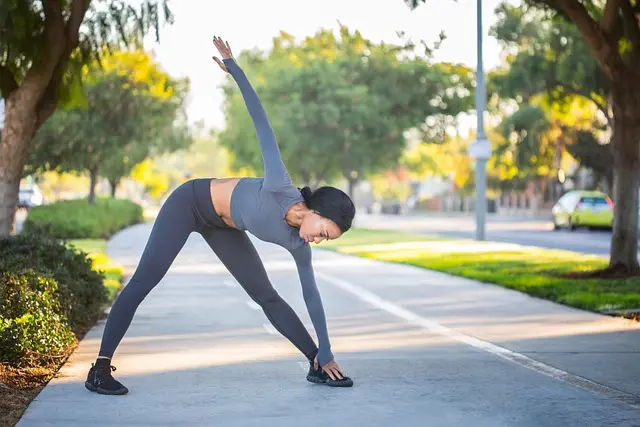
Consistency is key when it comes to training. Establishing a structured training programme tailored to your sport will help you develop necessary skills and fitness levels. Including a mix of strength training, flexibility workouts, and sport-specific drills will ensure well-rounded development. For instance, blending yoga with weight training can improve strength while enhancing flexibility.
4. Prioritise Recovery
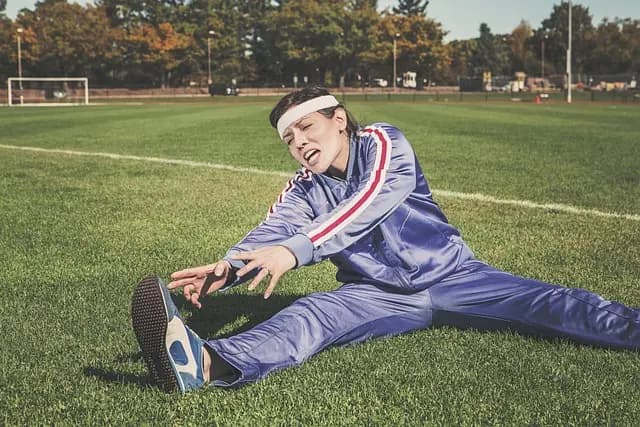
Post-training recovery is often overlooked but is essential for improving sports performance. Techniques such as stretching, foam rolling, and adequate sleep help your body repair and adapt. A study published in the Journal of Sports Sciences shows that athletes who prioritise recovery techniques show significant performance improvements over time. Therefore, make sure to allow yourself time to rest and recuperate after strenuous workouts.
5. Incorporate Cross-Training
Cross-training can improve your overall athletic abilities by diversifying your workout routine. For example, if you are a runner, consider adding swimming or cycling to your routine. This approach not only helps develop different muscle groups but also reduces the risk of injuries from repetitive strain. According to UFC-Que Choisir, cross-training can optimise muscle performance and endurance.
6. Utilise Mental Training
Developing mental toughness is just as important as physical training. Techniques such as visualisation, mindfulness, or meditation can enhance mental resilience and focus. Research from the Sport Psychologist shows that athletes who incorporate mental training often experience improvements in their competitive performances. Practising mindfulness can also help in reducing pre-competition anxiety, allowing athletes to perform at their best.
7. Use Technology Wisely
In 2026, technology is a game-changer for performance improvement. Wearable devices that monitor heart rate, activity levels, and even sleep patterns can provide valuable insights into your training. This data can guide adjustments in your routine and ensure you're on track to meet your goals. For example, tracking your sleep can help optimise recovery and performance.
8. Focus on Hydration
Staying properly hydrated is crucial for sports performance. Dehydration can lead to decreased endurance and strength. Research indicates that athletes who maintain hydration levels perform better and recover faster. Make it a habit to drink water before, during, and after training sessions. Consider using electrolyte drinks for extended sessions to replenish lost minerals.
9. Get Professional Guidance
Sometimes, the best way to improve your performance is by seeking professional help. Hiring a coach or personal trainer can provide tailored advice and critical feedback. Coaches can help refine your technique, create effective training plans, and keep you motivated. According to a report by 60 Millions de Consommateurs, personalised coaching significantly improves training outcomes over generic routines.
10. Maintain a Balanced Lifestyle
Finally, achieving peak performance requires a balanced lifestyle. This means not only focusing on physical training but also on mental well-being and personal life. Incorporating hobbies, socialising, and managing stress can have beneficial effects on your overall performance. Remember, a happy athlete is often the most successful one.
Checklist before you start
- [ ] Set clear and specific goals
- [ ] Prioritise your nutrition
- [ ] Establish a structured training programme
- [ ] Allow time for recovery
- [ ] Incorporate cross-training activities
- [ ] Practice mental training techniques
- [ ] Use technology to monitor progress
- [ ] Stay adequately hydrated
- [ ] Seek professional guidance as needed
- [ ] Maintain a balanced lifestyle
Glossaire
| Terme | Définition |
|---|---|
| Cross-training | A training method that incorporates various sports or exercises to improve performance in one particular sport. |
| Hydration | The process of providing adequate fluids to the body to maintain optimal function during physical activities. |
| Mental training | Techniques used to improve mental focus and resilience, such as visualisation and mindfulness exercises. |
📺 Pour aller plus loin : YouTube vidéo sur l'amélioration de la performance sportive, une analyse approfondie des techniques et stratégies. Recherchez sur YouTube : "improve sports performance techniques 2026".
📺 Pour aller plus loin : improve sports performance techniques 2026 sur YouTube
Recommended products
Selected by our experts

Introduction to Sports Nutrition Certificate Training Course
Learning 24/7
This course provides key insights into sports nutrition, helping you optimise your diet for better athletic performance.

TomTom GO Superior 6" Sat Nav
Back to the Office
A reliable GPS watch can track your performance metrics, aiding in goal setting and recovery monitoring.