Contents (14 sections)
Boosting sports performance is a goal shared by athletes and enthusiasts alike. Whether you're a seasoned professional or a casual participant, incremental improvements can make a significant difference. In this article, we’ll explore 10 simple yet effective techniques that can enhance your performance in any sport. These methods are practical, easy to incorporate into your routine, and rooted in scientifically-backed evidence. Let's delve into each technique and uncover how you can elevate your game effortlessly.
1. Proper Hydration: The Foundation of Performance
One of the most effective ways to boost sports performance is ensuring adequate hydration. Staying hydrated impacts muscle function, endurance, and overall physical performance. The British Dietetic Association recommends drinking at least 2-3 litres of water daily, with additional fluid intake during training and events.
For instance, dehydration can lead to decreased strength and performance by nearly 30%. A study published in the Journal of Sports Science highlighted that even a 2% loss in body weight due to dehydration could negatively impact an athlete's performance. Therefore, integrate hydration breaks into your training sessions to maintain optimal performance levels.
2. Consistent Warm-Up Routines
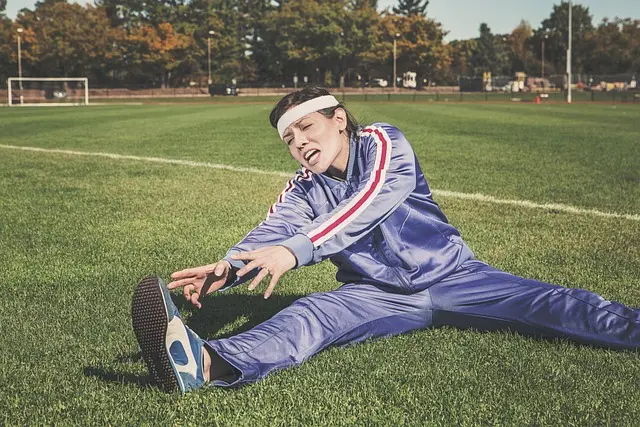
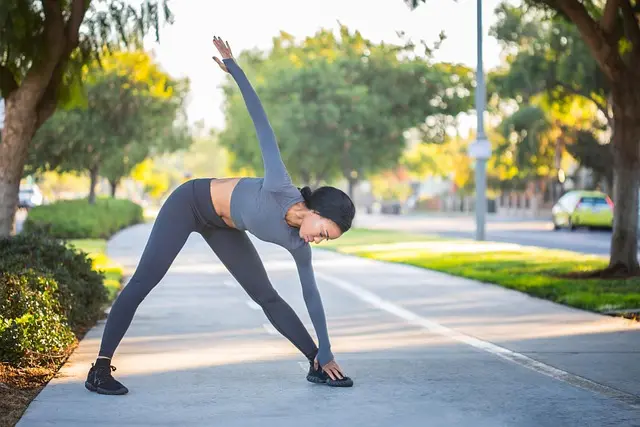
A thorough warm-up routine prepares your body for physical exertion and can significantly improve sports performance. It increases blood flow to muscles, reducing the risk of injury and improving flexibility. According to a study in the Journal of Sports Medicine, athletes who followed a structured warm-up protocol reported improved performance metrics, including speed and agility.
Start with dynamic stretching followed by sport-specific drills, gradually increasing intensity. Incorporating this practice into your training will create a strong foundation for physical activity.
3. Incorporating Strength Training
Strength training is crucial for enhancing sports performance by building muscle strength and endurance. It can also improve your metabolism and help prevent injuries. According to the National Strength and Conditioning Association, even athletes in sports requiring skill and technique should include strength training at least twice a week.
Consider exercises like squats, deadlifts, and bench presses, tailored to your sport. For example, a cyclist might focus on leg strength, while a swimmer might work on shoulder and core strength to improve stroke efficiency. By balancing skill work with strength training, athletes often see tangible improvements in their sport-specific performance.
4. Optimal Nutrition for Peak Performance
Nutrition plays a vital role in sports performance, providing the energy needed for training and competition. A balanced diet rich in carbohydrates, proteins, and healthy fats is essential for sustaining energy levels and facilitating recovery. According to Sports Nutritionists, carbohydrates should constitute about 55-70% of an athlete's diet, as they are the primary energy source.
For example, consuming a carbohydrate-rich meal before a workout or competition ensures that your body has ample fuel. Foods like bananas, oatmeal, and whole grains can enhance stamina and concentration. Remember, the right food before, during, and after training can significantly affect your performance.
5. Mindfulness and Mental Preparation
The mental aspect of sports performance is often overshadowed by physical preparation, yet it holds equal importance. Techniques such as visualization and mindfulness can prepare your mind for competition. A study published in International Journal of Sports Psychology found that athletes practising mindfulness demonstrated improved performance under pressure.
Try setting aside time before competitions to visualise your success—imagine yourself performing at your best and handling challenges with ease. This mental training can boost confidence and enhance overall performance.
6. Recovery Techniques: The Secret Weapon
Recovery is often overlooked but is crucial for improving performance. Implementing recovery techniques such as appropriate rest, massage therapy, and cold-water immersion can significantly enhance your performance levels. According to the American College of Sports Medicine, effective recovery strategies help reduce muscle soreness and improve readiness for subsequent training sessions.
Make sure to include adequate rest days in your training plan. Consider active recovery methods like light jogging or swimming to promote blood flow and healing. By prioritising recovery, athletes can maintain high performance levels over time.
7. Goal Setting and Progress Tracking
Setting specific, measurable goals is essential for continuous improvement in sports performance. This method helps maintain motivation and provides a clear focus. Research indicates that athletes who set goals achieve better results than those who do not. For instance, applying the SMART (Specific, Measurable, Achievable, Relevant, Time-bound) goal framework can lead to tangible improvements.
Regularly tracking your progress allows you to identify strengths and areas needing improvement. Utilising performance apps or journals will help you stay focused and committed. Celebrate small victories along the way to keep your motivation high.
8. Importance of Cross-Training
Cross-training is a fantastic way to boost sports performance without overloading your primary sport's muscle groups. Engaging in diverse physical activities can improve overall fitness and reduce the risk of injury. Physical therapists advocate for cross-training to enhance endurance, strength, and flexibility.
For instance, a runner might incorporate swimming or cycling into their routine, developing different muscle groups while maintaining cardiovascular fitness. Engaging in varied activities can prevent boredom and enhance skill sets, leading to improved performance in your primary sport.
9. Emphasising Sleep Health
Quality sleep is essential for peak sports performance. Poor sleep is linked to reduced concentration, slower reaction times, and decreased overall physical ability. The Sleep Foundation recommends 7-9 hours of sleep per night for adults, including athletes.
Creating a regular sleep schedule and a conducive sleep environment can dramatically enhance recovery and performance. Consider implementing strategies such as minimising screen time before bed and establishing a calming pre-sleep routine. Improved sleep health equates to better performance on the field.
10. Seeking Professional Guidance
Finally, don't hesitate to seek advice from professionals such as coaches, nutritionists, and sports psychologists. Professional guidance can provide you with personalised strategies to boost your performance. Coaches offer valuable insights on skill development, while nutritionists can help tailor your diet for optimal fuel and recovery. Research shows that athletes who work closely with professionals often achieve higher performance levels and reach their goals more quickly. Investing in your development through professional advice can yield significant returns.
📺 For deeper insights:
[How to Improve Your Sports Performance Effectively], a comprehensive guide on enhancing your sports abilities. Search on YouTube for: "ways to boost sports performance".
Checklist Before You Start
- [ ] Ensure proper hydration
- [ ] Establish a consistent warm-up routine
- [ ] Include strength training twice a week
- [ ] Maintain a balanced diet
- [ ] Practice mindfulness and mental preparation
- [ ] Incorporate regular recovery techniques
- [ ] Set specific goals and track progress
- [ ] Engage in cross-training activities
- [ ] Prioritise quality sleep
- [ ] Consult with professionals in your field
Glossary
| Terme | Définition |
|---|
| Hydratation | Processus de maintien de niveaux suffisants de liquides dans le corps, essentiel pour le fonctionnement musculaire.
| Récupération | Temps nécessaire pour que le corps se remet d'un effort physique intense afin d'éviter les blessures.
| Cross-training | Pratique qui consiste à faire différents sports ou activités physiques pour en améliorer la performance.
📺 Pour aller plus loin : Increase Your Speed! 5 Sprint Mechanic Drills #speedtraining sur YouTube