Contents (24 sections)
Sport is not just about talent; it's also about technique, discipline, and proper training. Applying straightforward and effective methods can significantly enhance your capabilities. This article will dive into 10 simple techniques to boost your sports performance, ensuring that you gain a competitive edge while enjoying your sport.
1. Establish a Routine
Consistency is Key
Creating a routine is fundamental to improving sports performance. When athletes stick to a consistent training schedule, they are more likely to develop better habits and skills. Consistency breeds confidence and allows for incremental progress. For instance, dedicating specific days of the week to particular skills or fitness training helps keep the focus on improvement.
Experts recommend that whether you're an amateur or a professional, training at least three to four times a week—incorporating drills specific to your sport—can bolster your performance. D'accorders des jours spécifiques à différentes disciplines peut aider à optimiser le temps de formation tout en prévenant l’ennui.
2. Stay Hydrated
The Importance of Hydration
Proper hydration is crucial for optimal performance in sports. Dehydration can lead to fatigue, decreased coordination, and even serious health issues during exercise. The Institute of Medicine states that men should aim for approximately 3.7 litres, and women around 2.7 litres of total water from all beverages and foods daily.
En buvant l'eau régulièrement et en intégrant des électrolytes, you can enhance muscle recovery and performance. A smart strategy includes drinking water before, during, and after workouts. Also, keep an eye on the colour of your urine; pale yellow typically indicates good hydration.
3. Focus on Nutrition
Fuel Your Body
A well-balanced diet enhances athletic performance significantly. Consuming the right foods fuels your body, helping you sustain energy levels during training and competitions. Macronutrients, including carbohydrates, proteins, and healthy fats, are essential, along with micronutrients found in fruits and vegetables.
According to research published by Harvard Health, a balanced meal incorporating whole grains, lean proteins, and healthy fats can improve not only physical performance but also mental alertness. Planifiez vos repas en prévoyant des collations saines pour éviter la fatigue pendant les efforts prolongés.
4. Develop Mental Toughness
The Mind-Body Connection
Mental resilience plays an enormous role in sports performance. Athletes often face challenging situations that require strong mental fortitude. Techniques such as visualisation, mindfulness, and positive self-talk can help reinforce mental strength. The American Psychological Association suggests that engaging in mental training techniques can improve focus and reduce anxiety, allowing athletes to perform more effectively under pressure.
Try setting aside 10 minutes daily to visualise your goals and the steps needed to achieve them. Construire une planification mentale avant un événement augmente la confiance, ce qui se traduit souvent par de meilleures performances.
5. Cross-Training
Enhance Overall Fitness
Cross-training involves performing a different sport or activity to enhance overall fitness. This method improves overall athleticism and prevents injury due to overuse. For instance, runners might benefit from swimming or cycling to maintain cardiovascular fitness while allowing specific muscle groups to rest.
D'une étude menée par des chercheurs de l'université de l'État de l'Ohio, varying physical activities has proven to help athletes develop more to balance muscular strength. Ceci permet également d'améliorer le bien-être général et réduit le risque de blessure en fatigant moins un groupe musculaire spécifique.
6. Proper Recovery
Rest Is Essential
Recovery is just as vital as the training itself. Not allowing enough time for your body to recover can lead to fatigue and injury. Post-training, athletes should engage in cooldown practices, such as stretching and foam rolling, to reduce muscle soreness.
According to the National Institutes of Health, incorporating rest days into your training schedule significantly contributes to athletic performance improvements. Le sommeil est également un facteur crucial; un minimum de 7-9 heures est recommandé pour optimiser la récupération musculaire.
7. Set SMART Goals
Specific, Measurable, Achievable, Relevant, Time-bound
Setting goals is critical for athletes seeking improvement. The SMART criteria—Specific, Measurable, Achievable, Relevant, and Time-bound—provide a structured way to define objectives. For example, instead of saying, "I want to run faster," you could say, "I plan to reduce my 5K time by two minutes within three months."
This technique helps clarify what you want to achieve and keeps you motivated. Track your progress regularly to adjust your training activities to align with your goals. Des objectifs bien définis aident à concentrer les efforts et à rendre les progrès plus tangibles.
8. Proper Gear and Equipment
Invest in Quality
Using the right gear can vastly improve performance. Ensure that your footwear is appropriate for your sport, as the wrong shoes can lead to injuries and discomfort. Nike, Adidas, and Asics are renowned for their quality sports footwear designed for specific purposes.
Also, consider investing in sport-specific gear to optimise performance. For example, swimmers may benefit from high-quality goggles that reduce drag. En sérieusement considérer l'équipement de qualité, vous investissez dans votre performance et votre sécurité.
9. Warm Up and Cool Down
Prevent Injuries
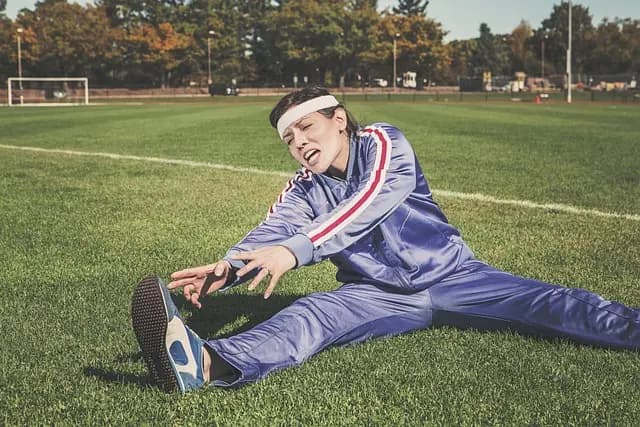
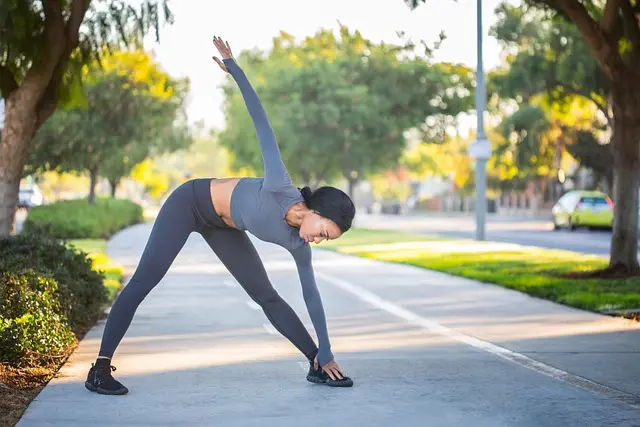
An effective warm-up prepares the body for intense activity, while cooling down helps return it to a resting state. Engaging in dynamic stretches before workouts improves flexibility and prevents injuries. Properly cooling down can reduce muscle stiffness and aid recovery.
The American College of Sports Medicine recommends spending at least 10-15 minutes warming up and cooling down. Des échauffements de qualité sont particulièrement importants avant les compétitions pour préparer le corps au stress physique.
10. Find a Training Buddy
Motivation and Accountability
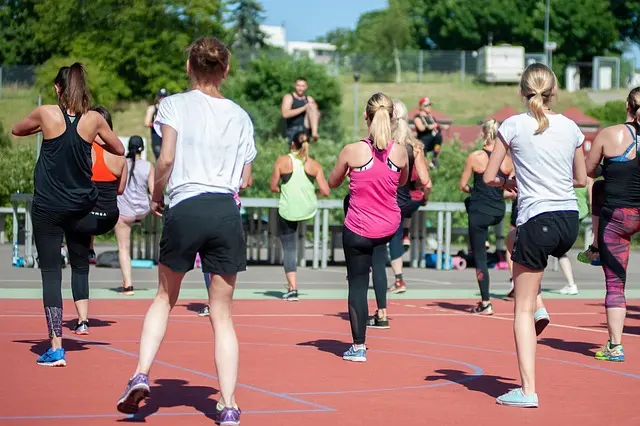
Training with a partner reinforces motivation and accountability. Engaging in sports with a friend or teammate can make practices more enjoyable and provide support. Doing competitive training alongside someone can push both individuals to perform better and stay committed to their fitness goals.
Research shows that individuals working out in groups tend to have higher adherence to their training schedules compared to solitary training. Prendre quelqu'un comme coéquipier peut vous donner une responsabilité supplémentaire et promouvoir des progrès mutuels.
📺 Resource Video
To delve deeper into boosting your sports performance, check out: Top 10 Tips to Improve Your Sports Performance, a comprehensive analysis of proven techniques. Search on YouTube: "boost sports performance techniques 2026".
Checklist Before Training
- [ ] Create a training routine
- [ ] Stay hydrated daily
- [ ] Maintain a balanced diet
- [ ] Develop mental strength
- [ ] Incorporate cross-training
- [ ] Allow recovery time
- [ ] Set SMART goals
- [ ] Use proper gear
- [ ] Warm up before workouts
- [ ] Cool down effectively
Glossary
| Terme | Définition |
|---|---|
| Cross-training | Practising varied athletic activities to enhance overall fitness and reduce the risk of injury. |
| SMART Goals | A framework for setting specific, measurable, achievable, relevant, and time-bound objectives. |
| Hydration | The process of providing adequate fluids to the body to ensure optimal physical performance and health. |
> 🧠 Quiz rapide : Which of these is a method to boost sports performance?
> - A) Eating junk food
> - B) Poor hydration
> - C) Developing a routine
> Réponse : C — A routine sets the foundation for consistent training, crucial for performance.
📺 Pour aller plus loin : boost sports performance techniques 2026 sur YouTube