Contents (14 sections)
In a world where sports performance is constantly evolving, athletes are always on the lookout for easy yet effective strategies to enhance their abilities. Whether you're a seasoned athlete or just starting, implementing simple techniques can significantly boost your sports performance. This article explores ten actionable methods that require minimal effort but can lead to substantial improvements in performance.
1. Prioritise Hydration
Staying hydrated is essential for optimal athletic performance. Dehydration can lead to fatigue, decreased endurance, and impaired recovery. A study from the Institute of Medicine recommends that men consume about 3.7 litres and women about 2.7 litres of water a day, including all beverages and food. Start your day with a glass of water and ensure you hydrate before, during, and after your training sessions. Carry a water bottle with you during workouts to remind yourself to drink regularly.
2. Establish a Consistent Sleep Routine
Sleep plays a crucial role in recovery and athletic performance. Inadequate sleep can impair focus, reaction time, and muscle recovery. According to the National Sleep Foundation, adults should aim for 7-9 hours of quality sleep per night. Create a relaxing bedtime routine, such as reading or meditating, to help signal your body that it's time to wind down. Limiting screen time before bed is also vital for improving sleep quality.
3. Incorporate Flexibility Training
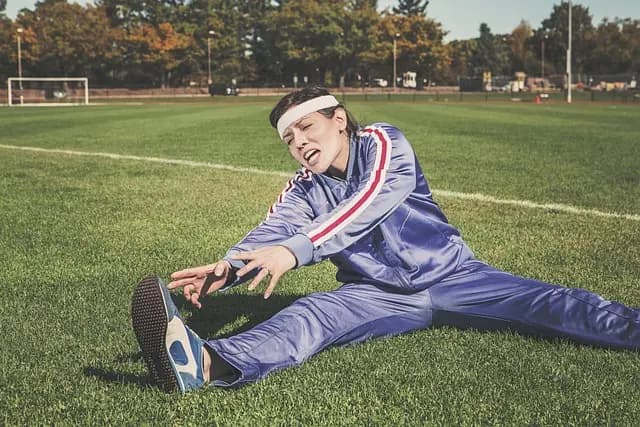
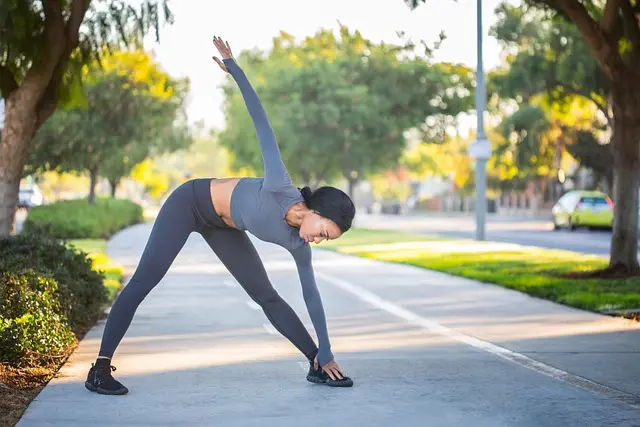
Enhancing flexibility is vital for reducing the risk of injury and improving overall performance. Consider integrating dynamic stretching into your warm-up routine and static stretching during cool-downs. Activities like yoga or Pilates can also improve flexibility and balance. According to a 2019 study published in the Journal of Strength and Conditioning Research, athletes who incorporated regular flexibility training improved their range of motion and overall performance. Start with just 10 minutes of flexibility training each day, and gradually increase the duration.
4. Nutrition: Focus on Whole Foods
Fueling your body with the right nutrients plays a significant role in enhancing sports performance. Prioritise whole, minimally processed foods like fruits, vegetables, whole grains, and lean proteins. Foods rich in antioxidants, such as berries and leafy greens, can help combat oxidative stress from exercise. Aim for balanced meals that provide the necessary carbohydrates for energy, protein for muscle repair, and healthy fats for overall health. Ditching processed snacks for healthier options can have a noticeable impact on your performance.
5. Embrace Mental Training Techniques
Mental performance is just as crucial as physical performance in sports. Techniques such as visualization, goal-setting, and mindfulness can enhance focus and reduce anxiety. For example, visualisation involves imagining yourself successfully executing a skill or competing in a specific event. According to research from the University of Utah, athletes who practised mental imagery improved their performance by up to 25%. Dedicate time each week to practise mental training, whether through meditation or mental rehearsal.
6. Use Technology Wisely
With the rise of wearable technology, athletes can track their performance metrics like heart rate, sleep patterns, and activity levels. Devices such as fitness bands or smartwatches can provide valuable insights into your training, allowing you to make data-driven decisions about your workouts. For instance, tracking your heart rate can help you ensure you’re training within the optimal heart rate zone for endurance improvement. Just remember, while technology provides useful data, it’s important not to rely solely on it—listen to your body as well.
7. Cross-Train for Improved Performance
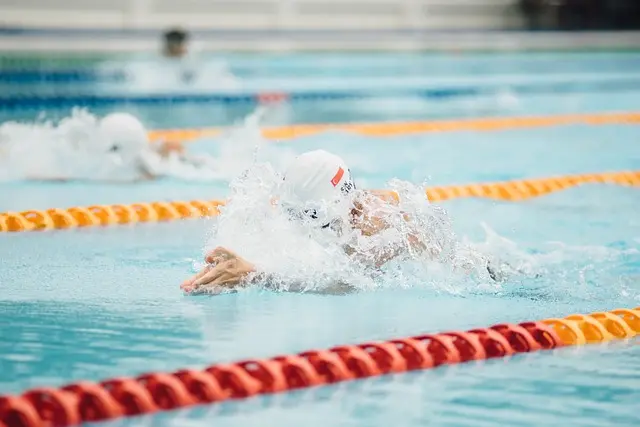
Engaging in various physical activities outside your primary sport can lead to improved overall performance. Cross-training enhances your fitness levels while reducing injury risk by working different muscle groups and preventing overuse injuries. For example, a runner might benefit from incorporating cycling or swimming into their routine. A study by the American Council on Exercise found that just 30 minutes of cross-training per week significantly improved aerobic capacity and overall performance. Adopt a cross-training programme that complements your main sport.
8. Set Realistic Goals
Setting achievable goals is key to maintaining motivation and tracking progress. Use the SMART criteria (Specific, Measurable, Achievable, Relevant, Time-bound) to craft your goals. For instance, if you're a swimmer, aim to improve your 100m time by a certain second within a three-month timeframe. According to research from the Association for Applied Sport Psychology, athletes who set specific goals showed a significant improvement in motivation and performance. Regularly review and adjust your goals to stay on track.
9. Recovery Strategies are Crucial
Incorporating adequate recovery strategies following training sessions is essential for enhancing performance. Techniques such as foam rolling, massage, and ice baths can aid in reducing muscle soreness and speeding up recovery. A study published in the British Journal of Sports Medicine found that massage therapy significantly reduced exercise-induced muscle soreness. Schedule regular recovery days, and don't hesitate to incorporate these strategies into your post-workout routine.
10. Join a Community or Training Group
Participating in a training group can increase your motivation and provide valuable social support. Training with others can encourage you to push your limits and stay accountable to your fitness goals. According to Psychology of Sport and Exercise, group training can enhance adherence to workout programmes. Look for local clubs or community events related to your sport, or engage in group classes at your gym.
📺 For further exploration:
How to Enhance Your Sports Performance Through Simple Techniques, a comprehensive analysis on the topic. Search on YouTube: "techniques to boost sports performance 2026".
Checklist before implementing these techniques:
- [ ] Prioritise hydration across the day
- [ ] Set a consistent sleep schedule
- [ ] Include flexibility workouts weekly
- [ ] Focus on whole foods in your diet
- [ ] Practice mental training techniques
- [ ] Utilise fitness technology to monitor progress
- [ ] Add cross-training to your routine
- [ ] Establish SMART goals
- [ ] Incorporate recovery strategies regularly
- [ ] Engage with a community or training group
Glossary
| Terme | Définition |
|---|---|
| Hydration | Le processus de maintien de l'équilibre des fluides dans le corps, crucial pour la performance sportive. |
| Flexibilité | L'aptitude d'un muscle ou d'une articulation à se déplacer librement dans sa plage de mouvement. |
| Entraînement croisé | Pratique de divers exercices pour améliorer la performance globale, réduire les risques de blessures. |
> 💡 Avis d'expert : Prendre simplement le temps de se concentrer sur ces techniques peut transformer vos performances sportives. Comme l'évoque le British Journal of Sports Medicine, les soins post-entraînement sont cruciaux pour toute amélioration du rendement sportif.
🧠 Quiz rapide : What is the most important aspect of post-workout recovery?
- A) Nutrition
- B) Hydration
- C) Sleep
Réponse : C — Sleep is vital for recovery and overall performance enhancements.
📺 Pour aller plus loin : techniques to boost sports performance 2026 sur YouTube