Contents (14 sections)
Sports recovery is an integral part of any athlete's routine. It involves techniques and practices that help the body heal and restore after physical activity. Without proper recovery, athletes can face fatigue, injuries, and reduced performance. Engaging in recovery methods not only aids in physiological healing but also enhances overall well-being and longevity in sports. This article presents ten essential tips for effective sports recovery that every athlete should incorporate into their routine.
1. Hydration - The Key to Recovery
One of the most overlooked aspects of recovery is proper hydration. When you exercise, you lose fluids through sweat, which can lead to dehydration. This affects muscle recovery and performance. According to experts, drinking water or electrolyte-infused drinks before, during, and after exercise optimises recovery. Aim for at least 2-3 litres of fluid daily, increasing this amount based on exercise intensity. Carrying a water bottle or using hydration apps can help track your intake.
2. Nutrition - Fuel Your Body Right
A balanced diet is crucial for recovery. Consuming carbohydrates replenishes glycogen stores, and proteins repair muscle tissue. Incorporate lean meats, fish, legumes, and whole grains into your meals. Research shows that consuming a meal or snack containing proteins and carbohydrates within 30 minutes post-exercise enhances muscle healing. Consider meal prepping to ensure nutrient-rich food is always available.

Wintergreen Arnica Massage Oil – Muscle Recovery Sports Massage Oil - 100ml
vivomed.com


3. Sleep - The Unsung Hero
Sleep is vital for recovery, yet often ignored. During sleep, your body repairs itself and releases hormones that help repair damaged muscle tissues. Aim for 7-9 hours of quality sleep per night. Establishing a bedtime routine, minimising screen time before bed, and creating a dark, cool sleeping environment can help improve sleep quality. Sleep trackers can provide insights into your sleep patterns.
4. Active Recovery - Keep Moving
Active recovery involves low-intensity exercise that promotes blood flow and aids recovery. Activities such as walking, gentle cycling, or yoga are excellent ways to help your body recover without overstraining it. Studies suggest that engaging in active recovery sessions post-intensive workouts helps reduce muscle soreness and improves overall recovery time.
5. Stretching and Flexibility Exercises
Incorporating stretching and flexibility exercises into your routine can prevent tight muscles and enhance range of motion. Techniques like dynamic stretching before workouts and static stretching afterwards can be highly beneficial. Incorporate yoga or Pilates sessions weekly, as these practices focus on elongating and relaxing muscles, which can aid recovery significantly.
6. Massage Therapy - The Feel-Good Factor
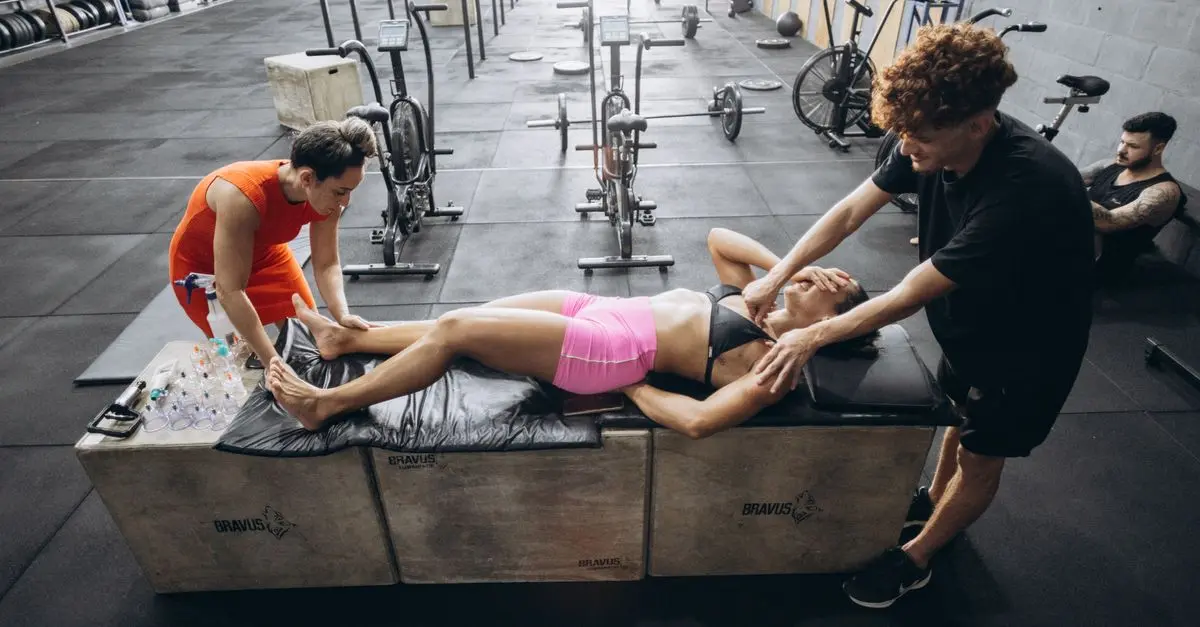
Massage therapy is a highly effective recovery method. Not only does it relieve muscle tension, but it also promotes blood flow to the targeted areas. Regular massages have been shown to reduce muscle soreness and increase range of motion. Consider integrating professional massages into your recovery schedule or learning self-massage techniques using foam rollers and massage balls.

Wintergreen Arnica Massage Oil – Muscle Recovery Sports Massage Oil - 100ml
vivomed.com

TP-Link JetStream 48-Port Gigabit and 4-Port 10GE SFP+ L2+ Managed Switch with 48-Port PoE+(500 W),PoE Recovery,Support Omada SDN,IPv6 & Static Routin
Amazon Sellers Programme (UK)
7. Ice Baths and Contrast Therapy
Ice baths or contrast therapy (alternating hot and cold water) are powerful recovery techniques that can reduce inflammation and relieve muscle soreness. Cold exposure constricts blood vessels, reducing swelling and muscle spasms, while the return to heat dilates blood vessels, promoting circulation. This process accelerates healing. While ice baths may seem daunting, starting with shorter durations can ease you into this beneficial recovery method.
8. Compression Gear - Supporting Recovery
Wearing compression clothing can significantly aid recovery after strenuous workouts. These garments promote blood circulation and help reduce swelling and muscle soreness. Many athletes have found that wearing them during and after exercises enhances recovery. Products are available ranging from sleeves to full-body suits, allowing you to choose what suits your needs best.
9. Monitor Your Progress and Recovery
Keeping track of your recovery progress can help tailor your strategies effectively. Use journals or apps to log workouts, recovery experiences, and how your body responds to different methods. This will provide insights into what works best for you. Analytics can suggest when to push harder and when to ease off, ensuring a personalised recovery plan.
10. Listen to Your Body
Finally, one of the most important recovery tips is to listen to your body. Each athlete is unique, and what works for one may not work for another. Pay attention to the signs, whether it's unusual soreness, fatigue, or persistent pain, and adjust your training and recovery strategies accordingly. Consider consulting a sports professional or physiotherapist if you experience ongoing discomfort.
Checklist before Recovery
- [ ] Stay hydrated throughout the day.
- [ ] Prioritise a balanced diet post-exercise.
- [ ] Ensure 7-9 hours of sleep nightly.
- [ ] Engage in active recovery activities.
- [ ] Incorporate stretching into your routine.
- [ ] Schedule regular massages.
- [ ] Experiment with ice baths or contrast therapy.
- [ ] Use appropriate compression gear.
- [ ] Keep a recovery log.
- [ ] Always listen to your body and adjust accordingly.
Glossary
| Term | Definition |
|---|---|
| Active Recovery | Low-intensity exercise that promotes blood flow to support recovery. |
| Compression Gear | Clothing designed to apply pressure to improve circulation and reduce soreness. |
| Contrast Therapy | A method of alternating between hot and cold temperatures to enhance recovery. |
📺 For further learning:
Watch videos on YouTube about “effective sports recovery strategies” for deeper insights into recovery methods.
---
> 🧠 Quick Quiz: How often should you stretch to aid recovery?
> - A) Only on rest days
> - B) Before and after workouts
> - C) Just once a week
> Answer: B — Stretching before and after workouts helps maintain flexibility and reduce injury risk.
📺 Pour aller plus loin : effective sports recovery strategies 2026 sur YouTube
Recommended products
Selected by our experts

Wintergreen Arnica Massage Oil – Muscle Recovery Sports Massage Oil - 100ml
vivomed.com


Wintergreen Arnica Massage Oil – Muscle Recovery Sports Massage Oil - 100ml
vivomed.com

AOMEI OneKey Recovery Professional – 1 PC - Lifetime license | Windows
Keycense UK