Contents (14 sections)
Staying hydrated is crucial for anyone engaging in sports activities. Proper hydration enhances performance, supports recovery, and can prevent potential health issues. Whether you are a professional athlete or a weekend warrior, understanding how to maintain hydration is essential.
1. Understand Your Hydration Needs
Hydration needs vary among individuals based on factors such as age, sex, weight, and intensity of exercise. According to the American Council on Exercise, individuals should aim for about 500 to 700 mL of water intake two to three hours before any exercise. Understanding your body's requirements helps tailor your hydration strategy.
2. Drink Water Consistently
Consistency is key when it comes to hydration. Rather than chugging water all at once, aim to sip water regularly throughout the day. This ensures your body has a steady supply of fluids, which is particularly beneficial for athletes who may lose a significant amount of water through sweat during training or competitions.

Swanson, Simply Hydrate, Electrolyte Hydration Mix, Lemon-Lime, 8 Stick Packs, 0.21 oz (5.92 g) Each
uk.iherb.com


3. Use Electrolyte Solutions
During intense or prolonged exercise, water alone may not suffice. Electrolyte drinks containing sodium, potassium, and magnesium can help replace lost electrolytes due to sweat. According to the National Academy of Sports Medicine, consuming beverages with balanced electrolytes during exercise can maintain performance levels and prevent dehydration-related symptoms.
4. Monitor Your Urine Colour
One basic yet effective way to monitor hydration levels is by checking the colour of your urine. Pale yellow to clear urine typically indicates proper hydration, while darker urine may suggest dehydration. This simple method can help you gauge your fluid intake as you engage in sports activities.
5. Hydrate Before, During, and After Activity
To optimise performance, hydration should not be limited to just before vigorous activity. It’s essential to hydrate before, during, and after exercise. This three-phase approach helps maintain hydration levels, aids in thermoregulation, and promotes recovery. Try carrying a water bottle during workouts as a reminder to keep sipping.
6. Avoid Sugary Drinks
While it might be tempting to reach for sugary beverages for hydration, they often contain excessive calories and can contribute to dehydration rather than alleviate it. Instead, opt for water or low-calorie electrolyte drinks. The British Nutrition Foundation recommends that athletes steer clear of high-sugar drinks during exercise to maintain optimal hydration.

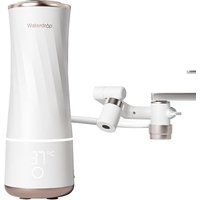
Waterdrop Skincare Face Washer BFC2, Soft Water for Gentle Facial Cleansing, Deep Cleaning, Reduce Chlorine, Hydration Boost, Waterproof
Amazon Sellers Programme (UK)

7000+ 4K HD Live VOD Series IPTV subscription Europe Sports French Arabic Italy Germany Poland USA Canada UK Spain Latin Hot xxx
Alibaba UK
7. Take Small Sips on a Schedule
During prolonged exercise sessions, set reminders to take small sips of water every 15 to 20 minutes. This method helps avoid overwhelming your stomach and allows for smoother absorption of fluids. Developing a sipping schedule—especially in endurance activities—proves advantageous for maintaining energy and reduces the risk of dehydration.
8. Hydrate with Food
Incorporating hydrating foods into your diet can substantially contribute to your overall fluid intake. Foods such as watermelon, cucumbers, and oranges have high water content and can help keep you hydrated. Nutritionists from the University of Loughborough suggest that athletes pay attention to their diet as a complementary source of hydration.
9. Adapt to Weather Conditions
Environmental factors significantly influence hydration needs. Hot or humid conditions increase sweat loss, necessitating additional hydration. Conversely, in colder conditions, breath condensation can lead to fluid loss. Always adjust your hydration strategy based on weather, ensuring your fluid intake matches the demands posed by the environment during sports activities.
10. Listen to Your Body
Lastly, it is vital to listen to your body’s signals regarding hydration. Thirst is a clear indicator, but other signs like fatigue or headache may also suggest a need for increased hydration. Regularly assessing how you feel before and during activities will help you maintain hydration levels effectively.
📺 Resource Video
For a deeper dive into hydration strategies during sports activities, check out this informative video. Search on YouTube for "top hydration tips for athletes".
Checklist before Exercise
- [ ] Understand personal hydration needs
- [ ] Develop a consistent drinking habit
- [ ] Include electrolytes for prolonged activities
- [ ] Monitor urine colour
- [ ] Hydrate at all phases of activity
- [ ] Opt for low-sugar drinks
- [ ] Schedule sips during exercise
- [ ] Incorporate hydrating foods
- [ ] Adjust for weather conditions
- [ ] Pay attention to body signals
Glossary
| Term | Definition |
|---|---|
| Electrolytes | Minerals in your body fluids that help regulate key bodily functions. |
| Hydration | The process of providing adequate fluids to the body for optimal function. |
| Dehydration | A condition that occurs when the body loses more fluids than it takes in. |
Hydration is an integral part of an athlete's performance and recovery plan. Implement these tips to ensure that your body has what it needs to thrive during sports activities!
📺 Pour aller plus loin : top hydration tips for athletes sur YouTube
Recommended products
Selected by our experts

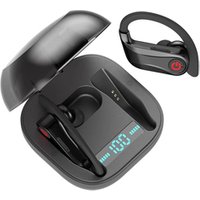
New arrival Q62 Power Pro super bass 11h music bt waterproof ip68 earhook display sports tws earphone headphone earbuds
Alibaba UK

Terra Origin, Healthy Hydration+, Half N' Half Lemonade Iced Tea, 30 On The Go Packets, 0.19 oz (5.4 g) Each
uk.iherb.com

2019 new Classic In-ear Stereo Sports i11/ Bluetooth Earphone For Running V5.0
Alibaba UK

SKIN1004 Madagascar Centella Hyalu-Cica Brightening Toner gentle exfoliating toner for radiance and hydration 210 ml
notino.co.uk