Contents (16 sections)
In the realm of sports, injury prevention is crucial for ensuring athlete safety and longevity in their activities. Not only does it enhance performance, but it also helps in maintaining mental well-being during training and competition. Sports injuries can be debilitating and often lead to long recovery times, which can hinder an athlete's progress. This article delves into 10 essential tips to effectively prevent injuries in sports, providing practical advice to keep you active and safe.
1. Warm-Up Properly
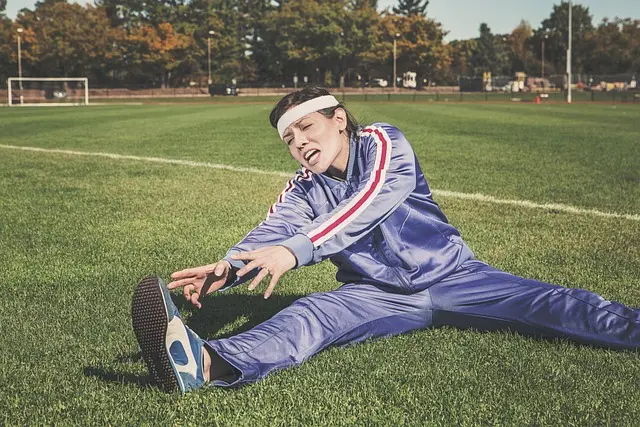
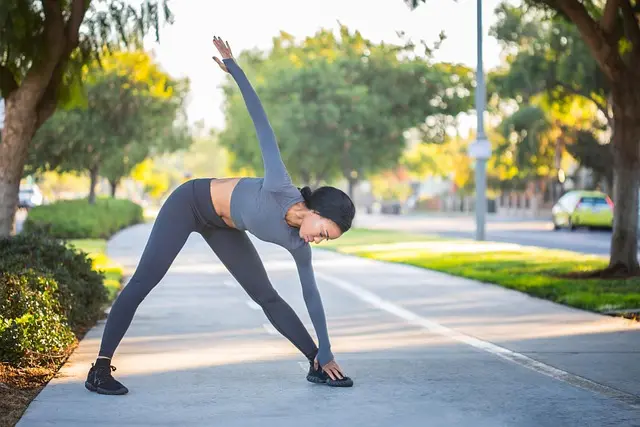
A proper warm-up is the cornerstone of injury prevention in sports. Engaging in a thorough warm-up routine increases blood flow to the muscles, enhances flexibility, and prepares the body for the physical demands of the sport. For instance, dynamic stretches such as leg swings, arm circles, and lunges mimic movements performed in actual sporting events. According to a study by UFC-Que Choisir, athletes who warm up adequately are 30% less likely to sustain injuries. Incorporating a 10-15 minute warm-up into your routine is essential.
2. Implement a Cool-Down Routine
Just as warming up is essential, cooling down post-activity aids in recovery and reduces muscle soreness. A cool-down should include static stretching, targeting major muscle groups used during the sport. This practice facilitates the removal of metabolic waste products and promotes blood circulation back to the heart. It’s noted that athletes who perform cool-downs experience 20% less muscle stiffness, enhancing their readiness for subsequent training sessions.


Supacore CORETECH Injury Recovery and Prevention Compression Shorts - Medium
vivomed.com

Tollco K90XL Drip Leak Prevention Tray Fridge/Freezer 91.2 cm Transparent
Boxed2me
3. Use the Right Equipment
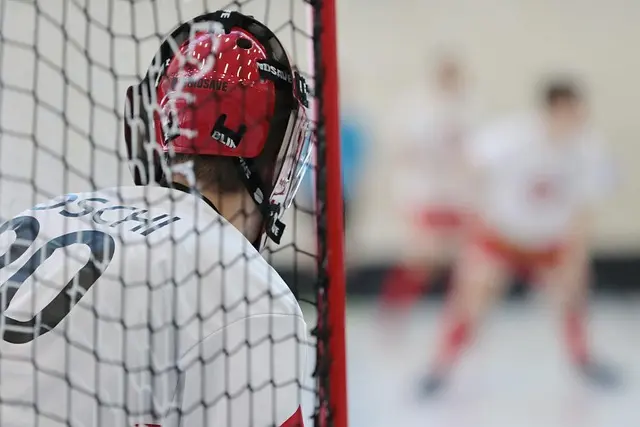
Investing in the appropriate sports gear cannot be overstated. Sports equipment, such as shoes, helmets, and protective pads, should be tailored to an individual's needs and the specific sport they are engaged in. Poorly fitted gear can lead to injuries like ankle sprains or concussions. Ensure that footwear provides adequate support and traction, while helmets are well-fitted to protect against head injuries. When choosing equipment, consider the recommendations of experts in the field to ensure maximum safety.
4. Stay Hydrated
Hydration plays a pivotal role in injury prevention. Dehydration can impair muscular function, leading to cramps and increased susceptibility to strains and sprains. Athletes should aim to drink water before, during, and after activity, with electrolyte replenishment during longer sessions. According to the National Health Service (NHS), even a 2% loss in body weight due to dehydration can negatively impact performance and increase injury risk. Create a hydration plan that adjusts based on the climate and intensity of the activity.
5. Incorporate Strength Training
Strengthening muscles that support joints is critical in preventing injuries. A well-structured strength training program helps improve an athlete's performance while reducing the risk of injuries significantly. For example, exercises targeting the core, hips, and knees enhance stability and power. Research conducted by the American Journal of Sports Medicine indicates that athletes who engage in strength training are up to 40% less likely to incur injuries compared to those who do not.
6. Follow a Balanced Nutrition Plan
Proper nutrition ensures athletes have sufficient energy and nutrients to support their training. A balanced diet rich in vitamins and minerals, particularly calcium and vitamin D, strengthens bones and muscles. Athletes should consult a sports nutritionist to tailor their eating habits, ensuring their bodies can withstand the physical strains of their respective sports.

Infection Prevention & Control for Clinical Staff CPD Accredited Online Course
Learning 24/7

Push Sports Wrist Support – Lightweight Compression Wrap for Training & Everyday Stability - Right
vivomed.com

Tollco K120XL Drip Leak Prevention Tray Fridge/Freezer 119.5 cm Transparent
Boxed2me
7. Listen to Your Body
One of the most effective methods for injury prevention is listening to your body's signals. If fatigue, pain, or discomfort arises, it is vital to take a step back. Ignoring these signs can exacerbate underlying issues, leading to severe injuries. Athletes should learn to distinguish between regular discomfort from training and signs of potential injuries. Acknowledging the need for rest and recovery is crucial to sustaining performance long-term.
8. Educate Yourself on Sports Injuries
Understanding common sports injuries and their symptoms empowers athletes to take preventive measures. Frequent injuries include ACL tears, tendinitis, and shin splints. Familiarising yourself with these conditions, their causes, and their preventive strategies can significantly reduce risks. Participation in courses, such as those offered by Learning 24/7, can enhance knowledge about sports injuries and promote safe practices.
9. Train with Proper Technique
Using correct techniques in training and competition is vital for injury prevention. Improper form can lead to undue stress on muscles and joints, increasing the likelihood of injuries. Techniques may vary across sports; therefore, engaging a coach or attending workshops focused on biomechanics can provide valuable insights and corrective measures.
10. Regular Medical Check-Ups
Regular visits to a medical professional ensure that any potential issues related to sports injuries are caught early. Comprehensive check-ups can also help assess an athlete's physical condition and readiness for specific sporting activities. Professional advice on injury prevention strategies should be sought, ensuring a proactive rather than reactive approach to health in sports.
Checklist for Injury Prevention
- [ ] Ensure a proper warm-up and cool-down routine.
- [ ] Invest in and use appropriate sports equipment.
- [ ] Maintain hydration before, during, and after exercise.
- [ ] Develop a balanced nutrition plan tailored to your sport.
- [ ] Listen to any signs of discomfort or pain promptly.
- [ ] Educate yourself about common injuries.
📺 Resources Video
> 📺 To go further: Watch our comprehensive guide on injury prevention in sports, covering essential practices and expert advice. Search on YouTube: injury prevention in sports 2026.
Glossary
| Terme | Définition |
|---|---|
| Injury Prevention | Strategies and practices aimed at reducing the risk of injuries in sports and physical activities. |
| Warm-Up | A preparatory phase of exercise aimed at increasing the body's temperature and loosening the muscles before intense activity. |
| Cool-Down | A gradual decrease in physical activity post-exercise aimed at bringing the body back to its resting state. |
Conclusion
Incorporating these 10 essential tips into your sporting routine can significantly enhance your capacity for safe participation in sports. Whether you're an elite athlete or a casual participant, prioritising injury prevention ensures a healthier and more enjoyable experience. Remember to always listen to your body, seek advice when needed, and stay informed about best practices in your sport.
Recommended Products
- **{
Recommended products
Selected by our experts

Infection Prevention & Control for Non-clinical Staff CPD Accredited Online Course
Learning 24/7

Essity Leukotape P Zinc Oxide Strapping Tape – Rigid Sports Tape 3.8cm x 13.7m
vivomed.com


Mueller Pro Heel Cups – Shock Absorbing Heel Support Inserts - Regular - Pair
vivomed.com