Contents (15 sections)
Recovering after sports is crucial for enhancing performance and preventing injuries. With the right strategies, athletes can bounce back faster and maintain their peak levels. This article outlines 10 essential sports recovery tips to help you optimise your post-activity recovery effectively.
1. Hydration is Key
Staying hydrated is one of the most critical aspects of recovery. After exercising, your body loses fluids through sweat, and restoring these fluids is essential for optimal recovery. According to Sports Medicine Australia, being even slightly dehydrated can impair performance and recovery. Aim to drink water regularly throughout the day, and consider electrolyte solutions for heavy workouts. This will help maintain your body's balance, ensuring that muscle repair and overall recovery processes are efficient.
2. Prioritise Sleep
Quality sleep is vital for recovery. During sleep, your body engages in cellular repair and muscle recovery processes. Research from the National Sleep Foundation indicates that athletes who get 7-9 hours of sleep regularly improve their performance significantly and reduce the risk of injury. To enhance sleep quality, establish a consistent sleep schedule, create a relaxing bedtime routine, and ensure your bedroom environment is conducive to sleep.

Wintergreen Arnica Massage Oil – Muscle Recovery Sports Massage Oil - 100ml
vivomed.com


3. Nutrition Matters
Eating a balanced diet rich in nutrients is essential for sports recovery. Focus on consuming a mix of carbohydrates, proteins, and healthy fats. According to The American Journal of Clinical Nutrition, protein helps repair muscle tissue while carbohydrates replenish glycogen stores depleted during exercise. Aim for a post-workout meal that includes lean proteins like chicken or fish, whole grains, and plenty of fruits and vegetables for optimal recovery support.
4. Active Recovery Techniques
Incorporating active recovery techniques can also aid in recovery. Activities such as light cycling, swimming, or yoga can promote blood flow and help reduce stiffness. This does not only hydrate your muscles but also encourages relaxation. A study from the Journal of Sports Sciences reported that active recovery significantly reduces muscle soreness and speeds up recovery time.
5. Use Recovery Tools
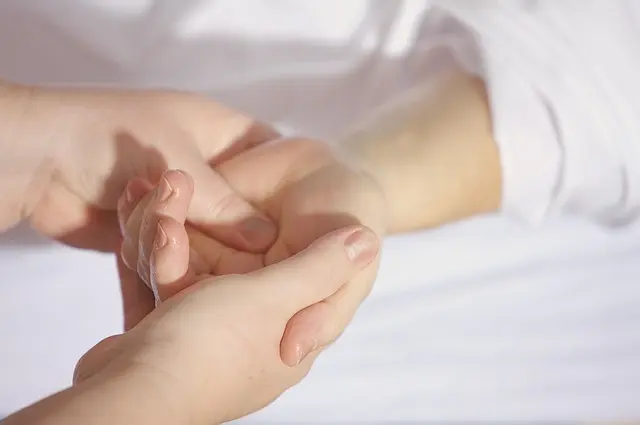
Investing in recovery tools can enhance your recovery process. Tools like foam rollers or massage balls can provide self-myofascial release, which helps alleviate muscle tightness and soreness. Using these tools helps in targeting specific muscles, promoting blood flow, and accelerating recovery. Regular use can alleviate delayed onset muscle soreness (DOMS), ensuring you are ready for your next workout.
6. Stretching
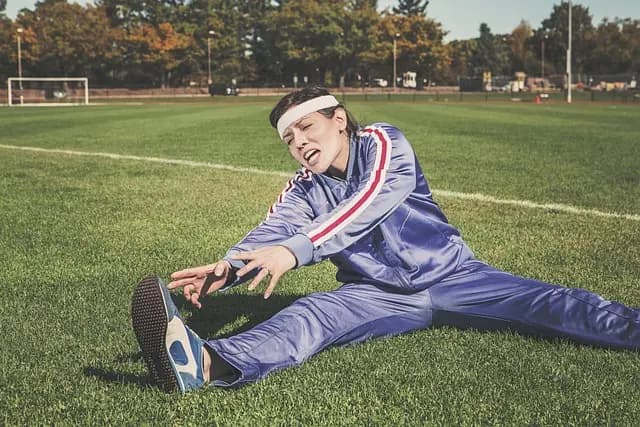
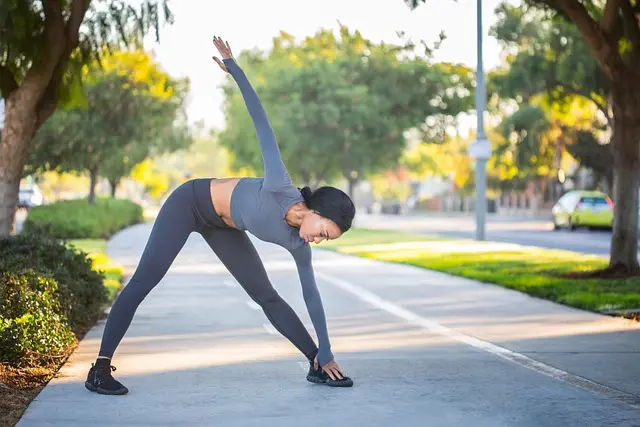
Both static and dynamic stretching are helpful for recovery. Static stretching post-exercise can improve flexibility and alleviate muscle tightness, while dynamic stretching before activities warms up the muscles for better performance. According to the American College of Sports Medicine, incorporating both forms into your routine can lead to improved recovery outcomes, as they help prepare the body for upcoming physical demands.


Wintergreen Arnica Massage Oil – Muscle Recovery Sports Massage Oil - 100ml
vivomed.com
7. Cold Water Immersion
Cold water immersion, or ice baths, is a recovery strategy used by many athletes. This method can reduce muscle soreness and inflammation post-exercise. A review from Sports Medicine says regular cold immersion can help speed up recovery times, especially after intense training sessions. While not everyone enjoys cold baths, contrasting hot and cold baths can also provide similar benefits, improving circulation and reducing recovery time.
8. Mindfulness and Relaxation Techniques
Mental recovery is as important as physical recovery. Techniques such as mindfulness, meditation, or deep breathing exercises can significantly reduce stress and improve mental resilience. Research has shown that practising mindfulness enhances overall well-being and can improve recovery outcomes. Allocating time for relaxation in your routine aids in dealing with the physical and emotional stress of training.
9. Regular Check-ups
Prioritising regular health check-ups can prevent injuries and other complications. Engaging with a coach or sports physiotherapist to assess your recovery methods can provide tailored advice for your specific needs. This proactive approach ensures any issues are tackled before they become significant problems, lying the groundwork for effective long-term recovery.
10. Listen to Your Body
Finally, understanding your body is vital. Pay attention to the signs it gives you. If you're feeling overly fatigued, consider taking an extra rest day or modifying your training schedule. According to Harvard Health, overtraining is a common pitfall, and listening to your body’s cues can be the difference between thriving in training and developing injuries.
Conclusion
Incorporating these sports recovery tips will enhance your ability to recover and performance over time. Remember, recovery strategies are just as important as the intensity of training. Implement these strategies and discover the difference they can make in your athletic experience.
Glossaire
| Terme | Définition |
|---|---|
| DOMS | Douleur musculaire d'apparition retardée, souvent ressentie 24-48 heures après un exercice intense. |
| Hydratation | Processus de fournir suffisamment de liquidités à votre corps pour maintenir un fonctionnement optimal. |
| Myofascial Release | Technique de relâchement musculaire visant à soulager la tension musculaire par pression manuelle. |
Checklist avant achat
- [ ] Assurez-vous d'avoir l'équipement nécessaire pour la récupération.
- [ ] Vérifiez que votre alimentation apporte assez de nutriments.
- [ ] Analysez votre niveau d'hydratation.
- [ ] Prévoyez du temps pour la relaxation et le sommeil.
- [ ] Consultez un professionnel pour des conseils adaptés.
🧠 Quiz rapide : Quelle méthode de récupération utilisez-vous le plus ?
- A) Alimentation équilibrée
- B) Techniques de relaxation
- C) Outils de récupération
Réponse : A — L'alimentation est cruciale pour une récupération optimisée.
📺 Ressource Vidéo
Pour aller plus loin : Explore effective sports recovery techniques, une analyse complète de méthodes de récupération. Recherchez sur YouTube : "sports recovery tips 2026".
📺 Pour aller plus loin : sports recovery tips 2026 sur YouTube
Recommended products
Selected by our experts

TP-Link JetStream 48-Port Gigabit and 4-Port 10GE SFP+ L2+ Managed Switch with 48-Port PoE+(500 W),PoE Recovery,Support Omada SDN,IPv6 & Static Routin
Amazon Sellers Programme (UK)
Wintergreen Arnica Massage Oil – Muscle Recovery Sports Massage Oil - 100ml
vivomed.com


Wintergreen Arnica Massage Oil – Muscle Recovery Sports Massage Oil - 100ml
vivomed.com

AOMEI OneKey Recovery Professional – 1 PC - Lifetime license | Windows
Keycense UK