Contents (17 sections)
Staying properly hydrated during exercise is critical for both performance and safety. Hydration significantly affects various aspects of exercise, such as endurance, strength, and recovery. When you exercise, your body loses water through sweat, which can lead to dehydration if not adequately replaced. This article outlines 10 essential hydration tips that can help you maintain peak performance during your workouts.
1. Understand Your Hydration Needs
Before you can optimise your hydration strategy, it's essential to understand your specific needs. Hydration requirements vary significantly depending on factors such as your body size, activity level, climate, and individual sweat rates. A standard recommendation suggests that individuals should aim for about 2-3 litres of fluid daily, with additional intake during exercise. To personalise your hydration plan, consider keeping a log of your intake and noticing how different levels affect your performance. By tracking both your fluid intake and your exercise output, you can create a more tailored hydration strategy that maximises your performance while ensuring your health.
2. Hydrate Before, During, and After Exercise
Effective hydration is not just about drinking water while exercising; it’s about a comprehensive approach.
Before Exercise
- Aim to consume 500 ml of water 2-3 hours before your workout. This will allow your body to fully absorb the fluids.
During Exercise
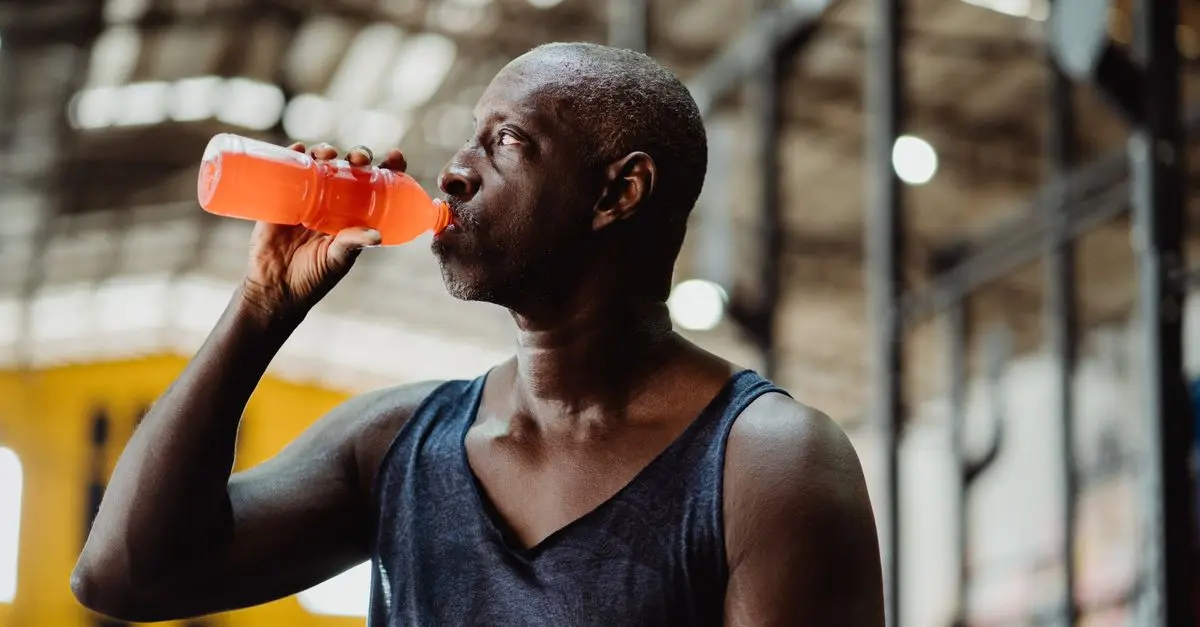
- For workouts lasting more than an hour, consider consuming a sports drink that replenishes electrolytes lost through sweat. It's essential to hydrate periodically every 15-20 minutes.
After Exercise
- Post-workout recovery is crucial. Aim to drink 1.5 litres of water for every kilogram of weight lost during exercise. This helps to restore fluids and supports recovery.
3. Choose the Right Beverages
While water is often the best choice for hydration, there are times when other beverages can provide additional benefits. Sports drinks, for instance, can be beneficial during prolonged workouts or high-intensity sessions lasting over an hour. They typically contain electrolytes, which are vital for muscle function and can prevent cramping. Conversely, drinks high in sugar or caffeine should generally be avoided as they can lead to increased dehydration. When choosing hydration options, look for drinks with 5-8% carbohydrates and minimal added sugars as ideal options for maintaining energy levels without compromising hydration.
4. Monitor Your Urine Colour
A simple and effective way to monitor your hydration status is by observing the colour of your urine. Light yellow indicates proper hydration, while darker shades suggest dehydration. This method, although informal, is widely used by athletes and can significantly help in managing hydration levels. Additionally, you can gauge hydration levels by weighing yourself before and after exercise; a weight loss of over 1% indicates a need for more fluids.
5. Use Electrolytes Wisely
Electrolytes, such as sodium, potassium, and magnesium, play a critical role in maintaining hydration levels during intense exercise. When sweating profusely, it's essential to replace these lost electrolytes to prevent cramps and fatigue. Appropriate amounts can be found in sports beverages; some individuals might also consider electrolyte capsules or tablets, especially during extended sessions of endurance training. According to studies by the American College of Sports Medicine, maintaining electrolyte balance can significantly improve performance, especially in hot and humid conditions.
6. Adjust for Weather Conditions
Weather plays a vital role in hydration needs. In hotter climates, sweat loss increases dramatically, meaning that your fluid intake should also rise. During intense heat, consider increasing your hydration by 1-2 litres a day compared to cooler conditions. On the other hand, if exercising in cold weather, remember that dehydration can still occur as your body loses moisture through breath and sweat. Always adjust your hydration strategies according to the climate to ensure optimal performance regardless of the weather conditions.
7. Stay Hydrated While Travelling
For those who travel for training or events, maintaining hydration can be more challenging due to changes in routine and environment. To ensure adequate hydration on the road, pack a refillable water bottle and keep it by your side. Opt for mineral water, which can help replenish lost electrolytes, especially when travelling to high-altitude locations where hydration needs may increase. Planning is essential; schedule reminders to drink water during long flights or drives.
8. The Role of Diet in Hydration
Your diet significantly impacts your hydration status. Foods with high water content, such as cucumbers, oranges, and watermelon, can provide hydration while also supplying essential nutrients. Aim for a diet rich in fruits and vegetables, which will not only assist in hydration but also support overall health and performance. Consuming a balanced diet will aid in maintaining ideal hydration levels, particularly before and after intense workouts.
9. Gradual Adaptation for Endurance Sports
If you're participating in endurance sports, gradually increase your hydration needs as your training progresses. Endurance events, like marathons or triathlons, will usually require an individual to test out various hydration strategies during training to discover what works best. Understanding your body's responses can prevent gastrointestinal discomfort during competitions.
10. Listen to Your Body
Finally, one of the most vital hydration tips is to listen to your body. Symptoms of dehydration can vary but often include thirst, fatigue, dizziness, or headaches. If you start noticing any of these signs, increase your fluid intake immediately. Incorporating regular breaks during training to hydrate can also help reinforce the importance of staying hydrated.
📺 For Further Exploration:
[How to Stay Hydrated During Workouts]
Discover more about effective hydration strategies in this comprehensive video. Search on YouTube for: "hydration tips during exercise".
Checklist of Hydration Tips
- [ ] Understand your hydration needs
- [ ] Hydrate before, during, and after exercise
- [ ] Choose the right beverages for your needs
- [ ] Monitor your urine colour
- [ ] Use electrolytes wisely
- [ ] Adjust for weather conditions
- [ ] Stay hydrated while travelling
- [ ] Incorporate hydrating foods into your diet
- [ ] Gradually adapt hydration for endurance sports
- [ ] Listen to your body's signals
Glossary
| Terme | Définition |
|---|---|
| Hydration | L'apport de liquides nécessaires pour maintenir un équilibre sain des fluides dans le corps. |
| Electrolytes | Minéraux dans le corps qui aident à réguler les fonctions musculaires et nerveuses. |
| Sweat Rate | La quantité de sueur produite par le corps pendant l'exercice, influençant les besoins hydriques. |
---
📺 Pour aller plus loin : hydration tips during exercise sur YouTube