Contents (15 sections)
Choosing the right sports equipment is crucial for optimal performance, whether you're a seasoned athlete or just starting out. The right gear not only enhances your capabilities but also helps prevent injuries and ensures overall enjoyment of the sport. In this article, we will explore ten essential tips that will guide you in selecting the best sports equipment for your needs.
1. Understand Your Sport
Before investing in sports equipment, it's essential to understand the specific requirements of your chosen sport. Each activity has its own set of standards and types of equipment. For instance, a runner will prioritise shoes that offer cushioning and support, while a football player may need protective gear along with their boots. Research the fundamentals of your sport by accessing reputable sources, such as sports governing bodies or skilled coaches, to gain insights into the essential equipment that will boost your performance.
2. Prioritise Comfort and Fit
Comfort should be a top priority when choosing sports equipment. Ill-fitting gear can hinder your performance and lead to injuries. For instance, in sports such as cycling and running, the right shoe size and cushioning can prevent blisters and foot fatigue. Always try on equipment, if possible, and consider factors such as breathability, material, and adjustability. Online customer reviews can also provide valuable feedback about the fit and comfort of specific products.


15U 19 Wall Mount Network Rack - Adjustable Depth 12-20 2 Post Open Frame Server Room Rack for AV/Data/ IT Communication/Computer Equipment/Switch
Darty FR
3. Assess Quality and Durability
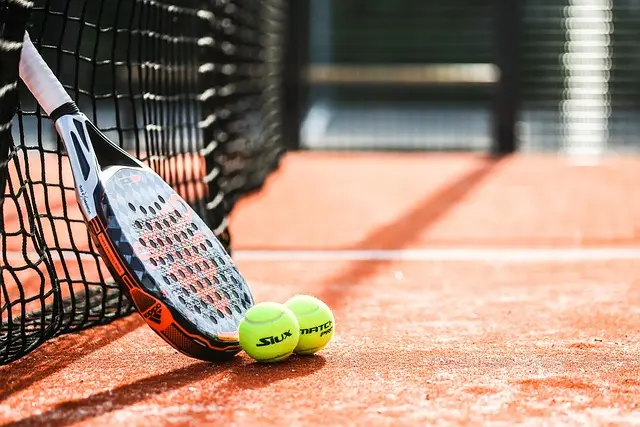
Investing in high-quality, durable equipment is crucial. Cheaper options may seem appealing, but they often don’t last long or perform as well. Equipment should withstand the rigours of your sport; for example, basketballs should retain their shape and bounce, while tennis rackets should withstand repeated impacts without degrading. Reading reviews and checking ratings from organisations like UFC-Que Choisir can help you gauge product quality before making a decision.
4. Consider Your Skill Level
Your skill level plays a significant role in the choice of sports equipment. Beginners might not require the same high-end gear as experienced athletes. For example, beginner-level racquets or clubs are usually more forgiving and easier to handle, promoting improvement without overwhelming the user. As you develop your skills, you can upgrade to professional-grade equipment that meets your evolving needs. Always consult with coaches or trainers to get recommendations that suit your level.
5. Research Specific Features
Modern sports equipment often comes with specific features designed to enhance performance. For instance, running shoes may include moisture-wicking technology, extra cushioning, or stability features tailored to an individual's running gait. Understanding these features and how they benefit your performance can empower you in making an informed decision. Prioritise equipment that incorporates the latest advancements tailored to your sport for an edge during competition.
6. Set a Budget
While it can be tempting to splurge on the latest gear, it's essential to set a budget that aligns with your financial situation. High-end equipment may not always translate to better performance, especially for casual athletes. Compare similar products across various price ranges to identify what offers the best value without compromising quality. Consider second-hand options or rental services for high-cost items like bicycles or kayaks, enabling you to test before committing to buy.

"9u wall mount server rack cabinet - 4-post adjustable depth (2"" to 19"") network equipment enclosure with cable management (rk920walm)" - armoire
Darty FR


7. Consider Recommendations and Reviews
Before making a purchase, consider feedback from peers, trainers, and online reviews. Real user experiences can provide insights that technical specifications may not cover. Join forums or communities relevant to your sport, where you can ask questions and get opinions on gear performance from those with hands-on experience. Websites like Les Numériques provide comparative analyses that can help simplify your decision-making process.
8. Don’t Forget Safety Equipment
When participating in sports, safety should never be overlooked. Proper safety gear, such as helmets, pads, or guards, can protect you from injuries. Each sport has its own safety standards—make sure your gear adheres to these regulations. For instance, a properly fitted helmet is crucial in cycling or skating, as it significantly reduces the risk of head injuries. Always choose certified safety equipment and replace it if it shows signs of wear and tear.
9. Seek Expert Advice
If you face difficulties choosing the right equipment, consider consulting experts. Sports shops typically have knowledgeable staff who can provide tailored advice based on your requirements. Moreover, coaches and trainers can offer insights about which equipment is best suited for your goals and skill level. Having an expert evaluate your needs can lead to optimal selections that may enhance your training and performance.
10. Test Your Equipment
Whenever possible, test the equipment before making a purchase. Many stores offer trial periods or money-back guarantees, allowing you to assess performance first-hand. If shopping online, consider retailers with flexible return policies so you can ensure the equipment meets your expectations upon delivery. Engaging in test sessions can help you feel more confident in your selection and ensure your satisfaction long-term.
Checklist before Purchase
- [ ] Understand the requirements of your chosen sport
- [ ] Prioritise comfort and fit for optimal performance
- [ ] Assess quality and durability of equipment
- [ ] Consider your skill level when making a choice
- [ ] Research specific features relevant to your sport
- [ ] Set a realistic budget for your purchases
- [ ] Look for recommendations and user reviews
- [ ] Ensure you have necessary safety equipment
- [ ] Seek expert advice if unsure of your needs
- [ ] Test your equipment to ensure satisfaction
Glossaire
| Terme | Définition |
|---|---|
| Équipement | Biens matériels utilisés dans une activité sportive, incluant vêtements, outils et accessoires. |
| Durabilité | La capacité d'un produit à résister à l'usure et à avoir une longue durée de vie. |
| Confort | L'état de bien-être pendant l'utilisation, influençant performance et plaisir. |
📺 Ressource Vidéo
> 📺 Pour aller plus loin : Explore how to choose the right sports equipment, une analyse complète de sélection d'équipements sportifs. Recherchez sur YouTube : how to choose sports equipment 2026.
Conclusion
En suivant ces 10 conseils, vous serez mieux préparé pour choisir l'équipement sportif qui répond à vos besoins spécifiques. N'oubliez pas que le bon choix peut non seulement améliorer votre performance, mais également rendre votre expérience plus agréable. Pour vous aider dans cette démarche, découvrez nos recommandations ci-dessous !
📺 Pour aller plus loin : how to choose sports equipment 2026 sur YouTube
Recommended products
Selected by our experts

Nébuliseur Portable Mini Inhalateur Nébuliseur pour Enfants Atomiseur Adulte Nebulizador Medical Equipment Asthma
Darty FR

Wholesale 2019 New Arrive Speakers/Outdoor Lawn Sound System/Park Audio Equipment for JBL IPHONE AND Amazon
Alibaba UK

TELIKOU TM-800 wired intercom station professional Radio & TV Broadcasting Equipment
Alibaba UK

Studio lamp Bag for 18" Dimmable led ring light with Single shoulder strap for FE-480 NG-65C ring lamp, studio equipment
Alibaba UK

SKL photographic equipment steadicam with vest for video DSLR camera stabilizer
Alibaba UK

8MP Full HD 12X Optical Zoom 3D Object Presenting equipment Document Camera Scanner A3 Desktop HDM Visual Presenter for Trainer
Alibaba UK