Contents (15 sections)
Choosing the right sports equipment is crucial for both beginners and seasoned athletes. It not only enhances performance but also ensures safety and enjoyment in any sport. With numerous options available, making an informed decision can be overwhelming. This article provides ten essential tips that will guide you in selecting the sports equipment that best suits your needs.
1. Define Your Purpose
Before diving into the selection process, clearly define why you need the equipment. Are you starting a new sport, upgrading your current gear, or looking for something specific to enhance your skills? Understanding your purpose helps to narrow down the options and focus on items that align with your objectives. For example, if you’re interested in running, you might want to consider whether you need footwear for road running or trail running, as each type serves different environments.
2. Research Specific Features
Different sports require specific features in equipment. For instance, when buying a bicycle, you'll consider frame material, size, and gear types. Similarly, with tennis rackets, factors like weight, head size, and grip size play significant roles. Conduct thorough research and read product reviews to identify which features are most beneficial for your specific sport. Reference guides from sports authority websites can help clarify these features.

Outdoors Fitness Equipment id115 Plus Fitness Tracker Real-time Heart Rate Monitor Color screen Smart Band 3D Pedometer yoho APP
Alibaba UK

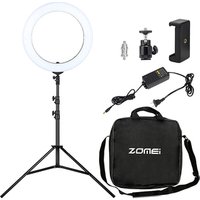
Falcon Eyes Professional 18" Big Strobe Photography Equipment Wireless Led Light Ring Lamp
Alibaba UK
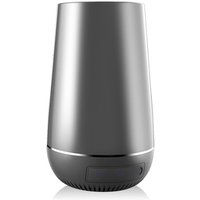
Wholesale 2019 New Arrive Speakers/Outdoor Lawn Sound System/Park Audio Equipment for JBL IPHONE AND Amazon
Alibaba UK
3. Try Before You Buy
If possible, always test the equipment before making a purchase. Stores often have demo options for items like running shoes, bikes, and rackets. This is particularly important as comfort and fit can significantly impact your performance and safety. Engaging with an experienced staff member can also provide valuable insights into how the equipment performs in different scenarios. If shopping online, check if the retailer offers free returns, enabling you to try the equipment at home.
4. Set a Budget
Sports equipment can range from affordable to premium price points. Establishing a budget can prevent overspending while ensuring that you don't compromise on quality. Some may choose to invest in high-quality gear that lasts longer, while others might prefer more economical options to test waters before serious commitment. Remember, it's often worth paying a bit more for durability and performance. Consider checking seasonal sales or discounts to stretch your budget further.
5. Consider Maintenance and Durability
The durability of sports equipment often correlates with the materials and technology used in its construction. Understanding how much maintenance an item requires can also influence your choice. For instance, while high-performance bicycles may require regular maintenance, simpler equipment like running shoes usually only needs replacement after a certain mileage. Research the life span of the equipment you are considering—it's a key factor for long-term satisfaction.
6. Weigh Performance vs. Aesthetics
It’s easy to be tempted by stylish designs and trendy colours when choosing sports equipment. However, prioritising performance over aesthetics is essential. Brightly coloured running shoes might catch your eye, but their comfort and functionality should take precedence. Try to find equipment that meets your performance needs while still aligning with your personal style—afterall, confidence in your gear does play a role in your overall performance.
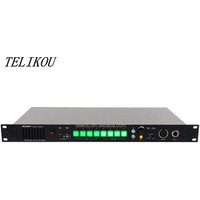
TELIKOU TM-800 wired intercom station professional Radio & TV Broadcasting Equipment
Alibaba UK
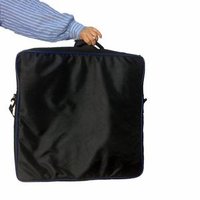
Studio lamp Bag for 18" Dimmable led ring light with Single shoulder strap for FE-480 NG-65C ring lamp, studio equipment
Alibaba UK

SKL photographic equipment steadicam with vest for video DSLR camera stabilizer
Alibaba UK
7. Seek Advice from Experts
Consulting with coaches, experienced athletes, or professionals in sports stores can provide valuable insights that enhance your decision-making process. They can recommend the latest technology and help you navigate through the myriad of options based on your skill level and goals. Engaging with user reviews and testimonials can also inform your choice, giving you a broader understanding of the equipment’s real-world performance.
8. Compare Brands and Prices
Don’t simply base your decision on brand reputation. Different brands can offer various features at competitive prices. Online comparison tools and reviews can highlight the pros and cons of each brand, helping to identify value for money. It might also be worthwhile to explore lesser-known brands that provide similar quality at a reduced price. Remember to check multiple retailers, both online and offline, for the best deals.
9. Look for Safety Features
Safety should always be a priority when choosing sports equipment. This is especially true for high-impact sports. Features such as padding in protective gear, non-slip grips on bicycle handles, and safety certification marks can help ensure you stay safe while engaging in your sport. Always check whether the equipment meets relevant safety standards before making a purchase.
10. Accessory Considerations
Often overlooked, accessories can play a crucial role in enhancing your sporting experience. Items like padded shorts for cycling, moisture-wicking tops for running, or special grips can complement your main equipment, significantly improving comfort and performance. When making your purchase, consider what accessories may enhance your experience alongside the primary equipment.
📺 Resource Video
> 📺 For more guidance: Watch our video on “How to Select Sports Equipment in 2026” for an in-depth analysis of selecting the right gear applicable to your needs. Search on YouTube: "how to choose sports equipment 2026".
Glossary
| Terme | Définition |
|---|---|
| Ergonomie | La conception de l'équipement afin d'améliorer le confort et les performances de l'utilisateur. |
| Certification de sécurité | Un label indiquant que le produit respecte les normes de sécurité requises pour son usage. |
| Maintenance | L’entretien nécessaire pour garder l'équipement en bon état de fonctionnement. |
Checklist avant achat
- [ ] Définir le but de l'équipement
- [ ] Rechercher des caractéristiques spécifiques
- [ ] Essayer les équipements avant d'acheter
- [ ] Établir un budget
- [ ] Considérer la durabilité et l'entretien
- [ ] Équilibrer performance et esthétique
- [ ] Demander conseil à des experts
- [ ] Comparer les marques et les prix
- [ ] Vérifier les caractéristiques de sécurité
- [ ] Considérer les accessoires
Conclusion
En suivant ces dix conseils essentiels pour choisir l'équipement sportif, vous serez mieux préparé pour faire un choix éclairé qui correspond à vos besoins et préférences. Investir dans le bon matériel peut transformer votre expérience sportive, rendant chaque activité plus agréable et efficace.
Nous avons sélectionné plusieurs produits adaptés pour optimiser votre expérience sportive, découvrez nos recommandations ci-dessous.
📺 Pour aller plus loin : how to choose sports equipment 2026 sur YouTube
Recommended products
Selected by our experts

8MP Full HD 12X Optical Zoom 3D Object Presenting equipment Document Camera Scanner A3 Desktop HDM Visual Presenter for Trainer
Alibaba UK

Kernel dslr camera video led ring light wedding photography lighting equipment 220v photo video studio light
Alibaba UK

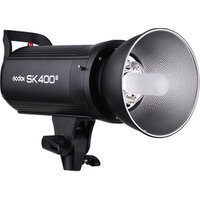
SK400II Professional photography equipment Compact 400Ws Photo Studio Flash Strobe flash light
Alibaba UK

Jinghao Health Equipment BSCI Certification Open Fit Hearing Aid Earphone Earbud
Alibaba UK