Contents (16 sections)
Choosing the right sports equipment is crucial for anyone engaged in physical activities, whether recreationally or competitively. The right gear enhances performance, ensures safety, and contributes to an enjoyable experience. With so many options available, it can be daunting to make an informed decision about the equipment that best suits your needs. In this article, we present 10 essential tips for choosing the right sports equipment, ensuring you select wisely and invest effectively in your athletic journey.
1. Understand Your Sporting Needs
Before diving into purchases, it's essential to understand your specific sporting needs. Different sports require different types of equipment, each serving a unique purpose. For instance, runners need suitable footwear that enhances speed and comfort, while a cyclist requires a helmet that meets safety standards. Engaging in multiple sports complicates things further; however, a solid understanding of each sport you participate in is crucial. Take time to research the essential equipment required for your chosen activities.
2. Assess Quality Over Price
While it might be tempting to purchase the cheapest option available, investing in quality sports equipment can save you money in the long run. High-quality items typically last longer and perform better, enhancing your overall experience. For example, a well-constructed pair of running shoes can significantly reduce injury risk compared to lower-quality alternatives. Thus, consider quality and brand reputation. Always check for user reviews and testimonials to gauge the durability and performance of equipment.

Samsung LS49CG934SU computer monitor 124.5 cm (49") 5120 x 1440 pixels Dual QHD OLED Silver
Back to the Office


Wholesale 2019 New Arrive Speakers/Outdoor Lawn Sound System/Park Audio Equipment for JBL IPHONE AND Amazon
Alibaba UK
3. Prioritise Fit and Comfort
The right fit and comfort level are paramount when selecting sports equipment. Poorly fitted gear can lead to discomfort or injuries. For instance, ill-fitting running shoes may cause blisters or foot pain, while a loose bicycle helmet might reduce safety. Try on items where applicable, and take the time to test equipment before purchasing. Consider visiting local stores to consult professionals in person; their input can guide you to make informed choices based on your body type and needs.
4. Research Product Reviews
Utilise the wealth of information available through online reviews and product comparisons. Websites such as UFC-Que Choisir or Les Numériques provide thorough analysis and insights on various sporting equipment. Reviewing these resources helps you form a well-rounded opinion on the products you're considering. Check for independent reviews to avoid biased feedback. Look at how equipment performed under specific conditions similar to those you'll encounter in your activities.
5. Seek Recommendations from Others
Consult friends or fellow athletes regarding their equipment experiences. They can share insights based on their personal trials, which might help you avoid poor choices. Additionally, consider joining community forums or online groups specific to your sport. Often, such platforms yield valuable recommendations verified by real users. Gathering diverse opinions can shed light on lesser-known brands or products that might suit your needs perfectly.
6. Compare Different Brands
Not all brands are created equal, and going through various options is crucial when selecting sports equipment. Different brands may offer features that cater to specific needs. Create a comparison table of the products you're considering based on criteria such as price, durability, and features. To give you an idea, below is a sample comparison:
| Criteria | Brand A | Brand B | Brand C | Verdict |
|---|---|---|---|---|
| Price | £50 | £70 | £65 | Brand A is cheaper |
| Durability | High | Medium | High | Brands A & C are best |
| User Rating | 4.5/5 | 3.8/5 | 4.2/5 | Brand A is preferred |
| Warranty | 1-year | 6-months | 1-year | All adequate |


TELIKOU TM-800 wired intercom station professional Radio & TV Broadcasting Equipment
Alibaba UK

7. Evaluate Safety Standards
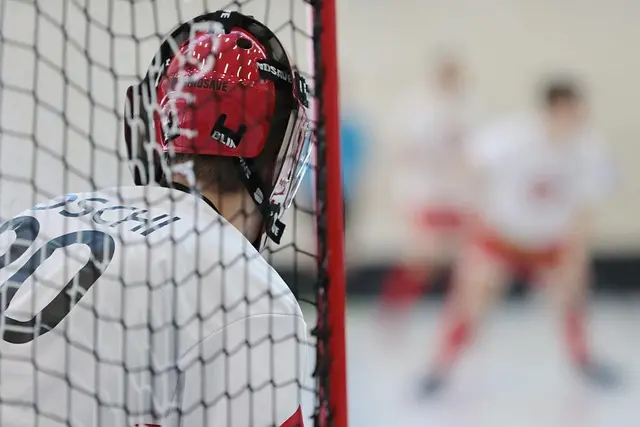
Prioritising safety while selecting sports equipment is paramount. Many items have safety standards outlined by reputable bodies. For example, sports helmets undergo rigorous testing to ensure they protect the user's head effectively. Check for certifications, especially for items such as helmets, protective gear, and even sporting equipment with electric components. Choosing safe products reduces the risk of injury during sports activities.
8. Look for Seasonal Discounts and Deals
Timing can significantly affect your sports equipment purchases. Many retailers offer seasonal sales, particularly around holidays or the launch of new products. If you're not in immediate need, consider waiting for these opportunities to save money. Keeping an eye on promotions can often result in significant discounts on high-quality items. Subscribing to newsletters of your favourite sports brands can keep you informed about upcoming deals.
9. Understand Maintenance Requirements
Every piece of sporting equipment requires some level of upkeep to ensure longevity and performance. Before purchasing, consider the maintenance involved; this could include cleaning, repairs, or seasonal adjustments. For instance, a bicycle may need regular tire checks and lubrication to perform optimally. Understanding these requirements beforehand can help you avoid unexpected costs and ensure your gear remains in excellent condition.
10. Trial Before Committing
Whenever possible, try the equipment before making a commitment. Many sporting goods stores offer trial periods or allow you to rent items. This is especially beneficial for pricey items like kayaks or bikes. Getting firsthand experience with the equipment can validate your choices and help you make an informed decision, reducing the likelihood of regret later.
Checklist before Purchase
- [ ] Understand your specific sporting needs
- [ ] Assess the quality of equipment over price
- [ ] Ensure a proper fit and comfort level
- [ ] Research product reviews and recommendations
- [ ] Compare options from multiple brands
- [ ] Evaluate compliance with safety standards
- [ ] Look for seasonal discounts and promotions
- [ ] Determine maintenance requirements
- [ ] Trial equipment before purchase
Glossary
| Terme | Définition |
|---|---|
| Durabilité | La capacité d'un équipement à résister à l'usure et à la dégradation sur le long terme. |
| Confort | La mesure dans laquelle un équipement est agréable à utiliser pendant une activité. |
| Sécurité | Les normes et protocoles qui garantissent la prévention des blessures lors de l'utilisation d'équipements. |
📺 Ressource Vidéo
> 📺 Pour aller plus loin : Comment choisir le bon équipement sportif, une analyse complète de la sélection d'équipements adaptés à vos besoins sportifs. Recherchez sur YouTube : "choisir équipement sportif 2026".
Conclusion
Selecting the right sports equipment requires careful consideration, research, and sometimes trial and error. By considering these 10 essential tips, you can make informed decisions that enhance your performance and enjoyment of your chosen sport.
Recommended Products
Discover our recommendations below for high-quality sports equipment suited to various activities.
📺 Pour aller plus loin : how to choose sports equipment 2026 sur YouTube
Recommended products
Selected by our experts

Studio lamp Bag for 18" Dimmable led ring light with Single shoulder strap for FE-480 NG-65C ring lamp, studio equipment
Alibaba UK

SKL photographic equipment steadicam with vest for video DSLR camera stabilizer
Alibaba UK

8MP Full HD 12X Optical Zoom 3D Object Presenting equipment Document Camera Scanner A3 Desktop HDM Visual Presenter for Trainer
Alibaba UK

Kernel dslr camera video led ring light wedding photography lighting equipment 220v photo video studio light
Alibaba UK


SK400II Professional photography equipment Compact 400Ws Photo Studio Flash Strobe flash light
Alibaba UK