Contents (25 sections)
Choosing the right sports equipment is crucial for anyone looking to enhance their performance, safety, and enjoyment in their chosen activity. From novice participants to seasoned athletes, the right gear can make a significant difference. In this article, we will explore ten essential tips that will aid you in selecting the perfect equipment tailored to your needs.
1. Understand Your Sport
Why Sport Matters
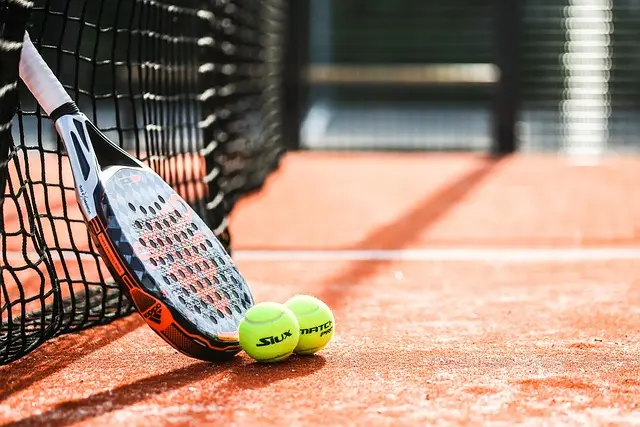
Before selecting equipment, it's vital to have a firm understanding of your particular sport. Each sport has its unique set of requirements that dictate the types of equipment needed. For instance, tennis players require rackets that differ significantly from those used in badminton. Understanding the nuances of your sport will enable you to focus on the equipment that optimally supports your requirements. Research various equipment elements specific to your sport, such as weight, material, and design.
2. Assess Your Skill Level
Tailoring Equipment to Your Experience
Your skill level plays a significant role in the type of equipment you should choose. Beginners often benefit from gear that is more forgiving and easier to use, which can bolster confidence and enjoyment. As you progress, more advanced options can provide additional features for enhanced performance. For example, a beginner cyclist might prefer a hybrid bike for its versatility, whereas seasoned cyclists may opt for road bikes for speed and efficiency. Evaluating your skill level helps pinpoint which features are essential for your progress.


3. Set a Budget
Managing Financial Expectations
Choosing sports equipment can be a significant financial investment, so it's essential to set a budget. Consider what you can comfortably afford without compromising on quality. High-end equipment may provide exceptional performance, but it doesn't always mean it's necessary, especially for beginners. According to surveys, nearly 40% of hobbyists overspend on their first purchase due to enthusiasm. Always balance cost with the essential features required for your chosen sport to avoid buyers' remorse.
4. Prioritise Comfort and Fit
The Importance of Proper Fit
Comfort should never be overlooked when selecting sports equipment. Whether it’s shoes, helmets, or protective gear, your comfort affects your performance. Equipment that fits well reduces the risk of injuries and enhances overall enjoyment. For example, running shoes should have ample cushioning and support that cater to your foot type. Measure your feet correctly and, if possible, try on various sizes to ensure proper fit. Often, going for custom-fit options delivers the best results.
5. Research Materials and Durability
Quality Over Quantity
The material used in sports equipment is often a good indicator of durability. For instance, a tennis racket made from graphite is typically lighter and more durable than one made from aluminium. Take the time to research the materials commonly used in the equipment specific to your sport. Invest in high-quality, durable materials to withstand the wear and tear of regular use. According to studies, equipment longevity is directly linked to the choice of materials used in production.
6. Consult Experts and Reviews
First-Hand Insights
Leverage the expertise of professionals, experienced athletes, and user reviews to gather insights on various equipment options. Websites that specialise in sports gear often feature detailed reviews and comparisons which can guide your decision-making. According to 60 Millions de Consommateurs, consumers who consult expert reviews report higher satisfaction in their purchases. Engaging with expert recommendations and guides can lead to an informed choice and optimise your sport experience.

Trust 24136 card reader USB 3.2 Gen 1 (3.1 Gen 1) Type-C Aluminium
Back to the Office


7. Consider Resale Value
Future-Proofing Your Investment
It's wise to consider the resale value of the equipment as it can significantly impact your overall investment. Well-known brands tend to hold their value better compared to lesser-known manufacturers. This can be particularly important if you plan to upgrade your gear in the future. Consider options that are easily resellable in online marketplaces, as this can mitigate costs associated with purchasing new equipment.
8. Try Before You Buy
Hands-On Experience
Whenever possible, test out equipment before making a purchase. Many stores offer demo days or allow you to try items in-store. By testing different models, you can assess comfort, fit, and performance firsthand. For instance, a climbing harness may seem perfect on the rack, but it could feel entirely different once you put it on. Always prioritise hands-on experiences when selecting sports equipment.
9. Check Manufacturer Warranties
Importance of Assurance
Lastly, always investigate the manufacturer's warranty accompanying the equipment. A solid warranty indicates confidence in the product’s durability and performance. Understanding warranty details can provide peace of mind against potential defects and failures. According to data from UFC-Que Choisir, about 25% of sports equipment purchases result in some form of defect, making warranties even more necessary.
10. Stay Updated on Trends
Evolution in Sports Equipment
Keeping abreast of technological advancements and trends in your sport can provide better performance insights and equipment choices. For instance, newer materials, designs, and technology can significantly enhance your overall experience and effectiveness in your sport. Reading blogs, watching videos, and engaging with online communities can help you stay informed about the latest equipment innovations.
Checklist before Purchasing Sports Equipment
- [ ] Confirm your sport and its equipment needs
- [ ] Assess personal skill level
- [ ] Set a reasonable budget
- [ ] Ensure comfort and correct fit
- [ ] Research material quality and durability
- [ ] Seek advice from experts and reviews
- [ ] Evaluate resale value possibilities
- [ ] Test the equipment before buying
- [ ] Verify warranty information
- [ ] Stay updated on industry trends
Glossary
| Term | Definition |
|---|---|
| Sports Equipment | Gear and items specifically designed for physical activities. |
| Durability | The ability of equipment to withstand wear, pressure, or damage. |
| Fit | The appropriateness of size and comfort of the equipment. |
📺 Resource Video
> 📺 For further information: Exploring the importance of choosing the right sports equipment, a comprehensive breakdown of key factors. Search on YouTube: "how to choose sports equipment 2026".
Recommended Products
- - - ---
📺 Pour aller plus loin : how to choose sports equipment 2026 sur YouTube
Recommended products
Selected by our experts


Nedis 10W Megaphone, 250m Range with Built-in Microphone, Siren, Adjustable Volume, Record Function - White & Blue
Boxed2me


Nedis Professional 25W Super Loud Megaphone with Detachable Handheld Microphone, Built-In Siren, Adjustable Volume and Shoulder Strap
Boxed2me