Contents (15 sections)
Choosing the right sports equipment is crucial for maximising your performance and enjoyment in any sporting activity. Whether you're a seasoned athlete or a beginner, the right gear can make a significant difference in your experience. In this article, we will explore 10 essential tips for choosing sports equipment that ensures you select the best options for your needs.
1. Assess Your Needs
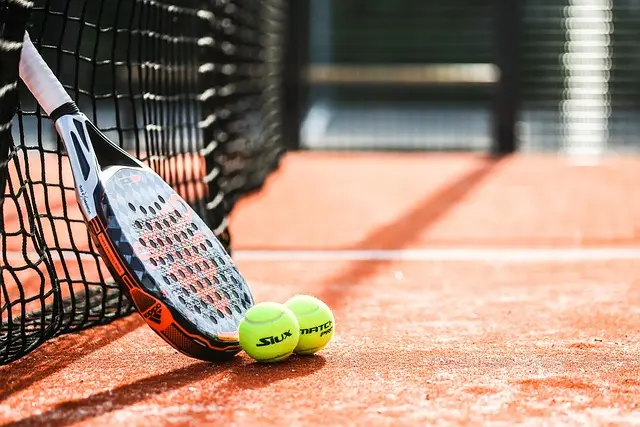
Before diving into the vast array of options available, it’s essential to assess your specific needs. Consider the sport you are participating in, your skill level, and the environment in which you will be training or competing. For instance, if you plan to play tennis, you’ll require a racket suited to your playing style — whether it be more control or power. Understanding your individual requirements helps streamline the selection process.
2. Research and Compare
Once you’ve identified your needs, invest time in researching different equipment available in the market. Look for product reviews, comparisons, and specifications to determine which equipment best matches your requirements. Online platforms and community forums can provide insights into how various brands and models perform in real-life scenarios. Comparing features will help you make an informed decision, ensuring you don’t rush into purchasing something that might not deliver the desired outcomes.

Wholesale 2019 New Arrive Speakers/Outdoor Lawn Sound System/Park Audio Equipment for JBL IPHONE AND Amazon
Alibaba UK

Studio lamp Bag for 18" Dimmable led ring light with Single shoulder strap for FE-480 NG-65C ring lamp, studio equipment
Alibaba UK

8MP Full HD 12X Optical Zoom 3D Object Presenting equipment Document Camera Scanner A3 Desktop HDM Visual Presenter for Trainer
Alibaba UK
3. Prioritise Quality Over Quantity
It might be tempting to opt for cheaper options, especially if you are starting. However, investing in high-quality equipment is crucial for both performance and safety. Quality products tend to last longer, offer better functionality, and often come with a warranty. For instance, while a basic pair of running shoes may seem adequate initially, a more expensive pair designed for your specific foot type can prevent injuries and enhance your running efficiency.
4. Consider Brand Reputation
The brand often speaks volumes about the reliability and quality of sports equipment. Established brands typically invest in research and development, resulting in products that meet high standards of performance. Additionally, customer service and warranty policies are usually more reliable with reputable brands. Hence, pay attention to well-reviewed brands in your sport’s community, as these are likely to provide the best equipment.
5. Think About Fit and Comfort
Comfort is paramount when it comes to sports equipment — from footwear to protective gear. Items that don’t fit well can hinder your performance and could lead to injuries. It’s advisable to try on equipment, especially items like shoes, helmets, and padded gear. If you're purchasing online, ensure there's a strong return policy in place to facilitate exchanges or returns in case of sizing issues. Remember, a comfortable fit enhances your confidence in your performance.
6. Explore Technological Features
With advancements in technology, many sports equipment now come with additional features designed to enhance usability and performance. For instance, modern running shoes may incorporate cushioning technologies that offer better shock absorption, or smart watches providing real-time performance metrics. While considering these options, evaluate if the technology aligns with your needs and if the benefits justify the additional cost.

TELIKOU TM-800 wired intercom station professional Radio & TV Broadcasting Equipment
Alibaba UK

SKL photographic equipment steadicam with vest for video DSLR camera stabilizer
Alibaba UK

Kernel dslr camera video led ring light wedding photography lighting equipment 220v photo video studio light
Alibaba UK
7. Read User Reviews and Testimonials
User reviews are invaluable for understanding how equipment performs in practical scenarios. Look for feedback from other consumers who have similar requirements and preferences as you. Websites like UFC-Que Choisir often provide detailed consumer reports and reviews on sporting gear. According to a recent survey, a high percentage of consumers stated they relied on user reviews before making a purchase decision. Hence, reading testimonials and professional reviews can ensure you don’t overlook crucial aspects of each product.
8. Understand Maintenance Requirements
Certain sports equipment require maintenance to ensure longevity and optimal performance. Understanding these maintenance requirements before making a purchase will allow you to factor in potential future costs. For example, leather sports gear often needs regular cleaning and conditioning to maintain quality, while electronic devices may require software updates. Understanding these aspects helps you prepare for the commitment involved in maintaining your gear.
9. Seek Professional Advice
When in doubt, consulting an expert can provide clarity and guidance. Many sports shops have trained staff who can help you choose the right equipment based on your needs. Additionally, local trainers or coaches can offer invaluable advice based on their experiences with various types of gear. Seeking professional advice can reduce the confusion that often comes with selecting sports equipment and help you make a well-informed choice.
10. Set a Budget
Finally, it’s essential to establish a budget before making any purchases. Sports equipment can vary significantly in price, and setting a budget allows you to narrow down your options effectively. Keep in mind that while some investments are necessary, it’s vital to balance quality with affordability. According to a study conducted by Les Numériques, consumers often regret overspending on products that did not meet their needs. Thus, remain clear about your budget to guide your purchasing decision without straining your finances.
📺 Resource Video
For a deeper understanding of the topic, check out this video: "Choosing the Right Sports Equipment for Your Needs", which offers an insightful analysis of the key considerations when selecting gear. Search on YouTube: "tips for choosing sports equipment".
Checklist before Purchase
- [ ] Assess your specific needs
- [ ] Research and compare different options
- [ ] Prioritise quality over quantity
- [ ] Consider brand reputation and warranty
- [ ] Ensure the fit and comfort
- [ ] Explore available technological features
- [ ] Read user reviews and testimonials
- [ ] Understand maintenance needs
- [ ] Seek professional advice if necessary
- [ ] Establish a budget to guide purchasing decisions
Glossary
| Terme | Définition |
|---|---|
| Technologie | Application des sciences pour améliorer ou créer des équipements sportifs. |
| Ergonomie | Discipline qui vise à concevoir et adapter les équipements pour optimiser le confort et la performance. |
| Équipement | Ensemble des outils et matériaux utilisés pour la pratique d'un sport ou d'une activité. |
Recommended products
Selected by our experts


SK400II Professional photography equipment Compact 400Ws Photo Studio Flash Strobe flash light
Alibaba UK

Falcon Eyes Professional 18" Big Strobe Photography Equipment Wireless Led Light Ring Lamp
Alibaba UK


Jinghao Health Equipment BSCI Certification Open Fit Hearing Aid Earphone Earbud
Alibaba UK

Call center equipment bluetooth wireless cell phone headset BLUETOOTH HEADSETS
Alibaba UK