Contents (14 sections)
Choosing running shoes is a critical factor for both recreational and serious runners. The right pair can enhance your comfort, prevent injuries, and improve your overall performance. This guide offers ten essential tips to help you navigate the myriad of options available, ensuring you make a well-informed decision.
1. Understand Your Running Style
Before you start selecting running shoes, it's crucial to understand your running style. Do you overpronate, underpronate, or have a neutral gait? Each type of foot movement requires different shoe features. For instance, runners who overpronate may benefit from stability or motion-control shoes, which offer extra support. To determine your running style, consider visiting a local running store for a gait analysis or examine the wear pattern on your current running shoes. This understanding will serve as the foundation for making an informed choice.
2. Get the Right Fit
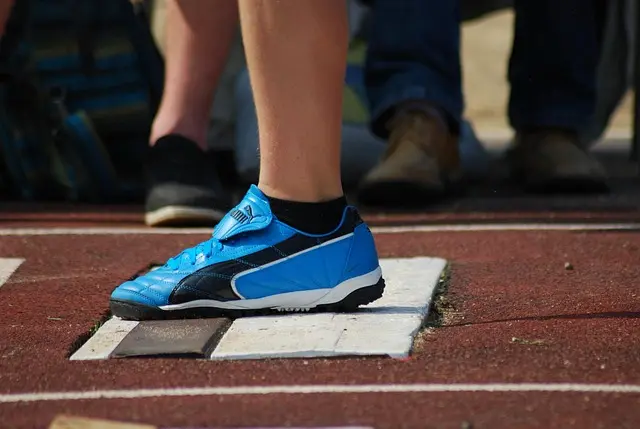
A proper fit is essential when choosing running shoes. You should aim for a snug fit around the heel and midfoot while allowing enough room for your toes to wiggle. When trying on shoes, ensure there is about a thumb's width of space between your longest toe and the end of the shoe. This extra room accounts for foot expansion that occurs during running. A fitting that is too tight can lead to discomfort, blisters, and potentially severe injuries over time. Always try on shoes later in the day when your feet are most swollen for an accurate fit.

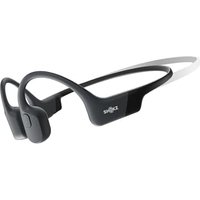
SHOKZ OpenRun Mini Bone Conduction Headphones, Open-Ear Bluetooth Sports Earphones with Mic, IP67 Waterproof Wireless Headset for Running, Workout, 8H
Amazon Sellers Programme (UK)
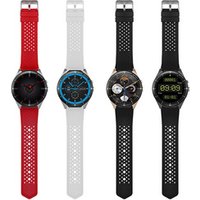
KingWear Waterproof outdoor sport GPS smart watch with dynamic heart rate monitor running biking climbing walking compass
Alibaba UK
3. Consider the Terrain
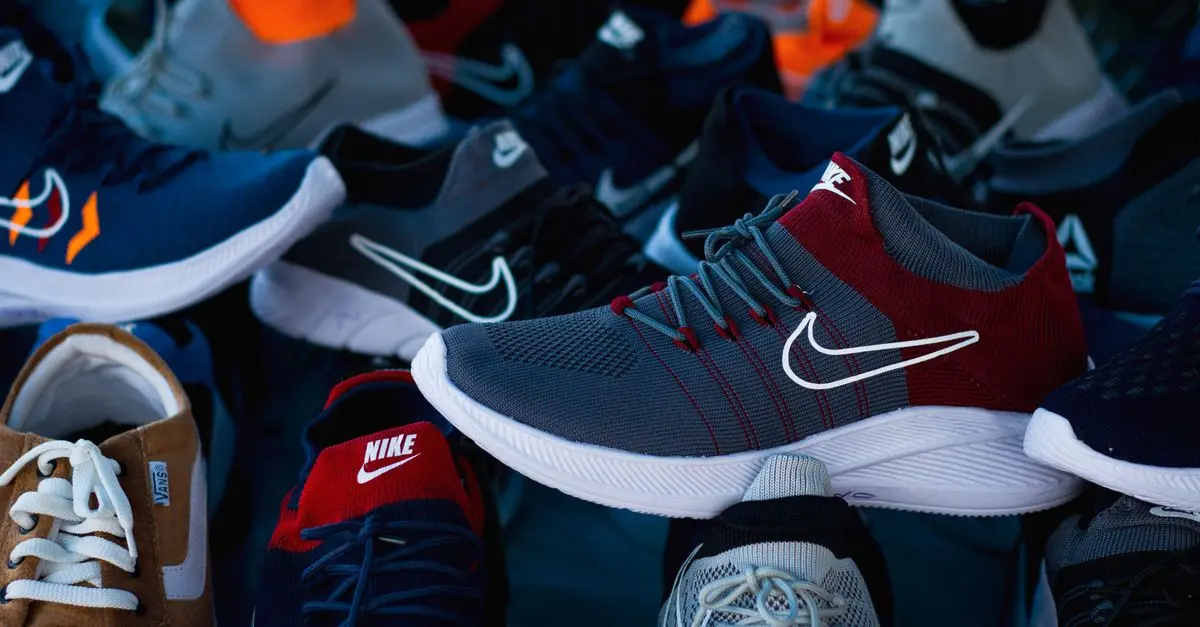
Different running environments necessitate different types of shoes. If you frequently run off-road, consider trail running shoes designed with more grip and protection against rough terrain. On the other hand, if you primarily run on roads, look for road running shoes optimised for cushioning and support. The difference in outsole designs can significantly affect grip and stability depending on where you plan to run.
4. Evaluate Cushioning Options
The amount of cushioning in running shoes can greatly influence comfort and performance. Runners generally prefer more cushioning for long distances to alleviate impact stress. There are various levels of cushioning, from minimal to maximum. Some brands offer specific models designed for heavy cushioning, which is ideal for long-distance runners. It is essential to choose a level of cushioning that feels comfortable for your running style. According to recent studies, runners who find their cushioning preferences tend to experience fewer injuries.
5. Check the Weight of the Shoe
While lightweight shoes can enhance performance, they often sacrifice support and cushioning. Consider the weight of the shoe in relation to your running goals. If speed is your aim, you may prefer lighter shoes designed for racing. Balanced models offer a compromise between weight and cushioning for everyday running. According to feedback in the running community, many users find that balancing weight with adequate support leads to improved performance and reduced fatigue.
6. Look for Breathability
When selecting running shoes, breathability is a vital factor that can enhance comfort, especially in warmer climates. Shoes made with breathable materials allow moisture and heat to escape, keeping your feet cooler and drier. This is particularly important during long runs, as excessive heat can lead to discomfort and blisters. Many brands incorporate mesh uppers to improve airflow, contributing to a comfortable running experience.
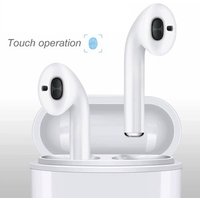
2019 new Classic In-ear Stereo Sports i11/ Bluetooth Earphone For Running V5.0
Alibaba UK
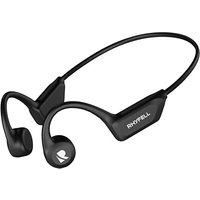
Bone Conduction Headphones, Bluetooth 6.0 Sport Headphones, 8h Battery Life, 28g Lightweight,Type-C, Suitable for Running, Cycling and Fitness, Black
Amazon Sellers Programme (UK)
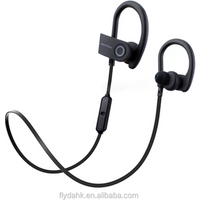
G5 Sports Running In-Ear Wireless Earphone Stereo Earbuds Ear Hook Headset Earphones Wireless with Mic for iPhone 6 Phone.
Alibaba UK
7. Be Aware of Your Budget
Running shoes can vary significantly in price, which often reflects features, materials, and brand reputation. Set a budget based on how often you run and the type of training you do. Consider investing in quality shoes that fit well rather than going for the cheapest option, as improper footwear can lead to injuries that could cost much more in time and treatment. Research often points out that a well-fitted, quality pair lasts longer and enhances performance.
8. Test Before You Commit
Always take your time to test running shoes before you purchase them. Walk or jog around the store during your fitting to get a feel for the shoes in action. Some retailers offer return policies that allow you to run in them outside; take advantage of those policies to ensure you’ve made the right choice. Testing different brands and styles can help you find your perfect match. Your comfort and confidence are key to an enjoyable running experience.
9. Replace Regularly
Running shoes don't last forever. Most experts recommend replacing running shoes after approximately 300 to 500 miles of use. Wear patterns, cushioning degradation, and overall shoe integrity all play a role in determining when to retire your pair. Keeping an eye on your mileage and the condition of your shoes is essential to avoid injuries arising from worn-out footwear.
10. Consult with Experts
If in doubt, don’t hesitate to seek advice from running specialists at local stores or consult online forums and reviews. Each runner has unique needs, and experienced professionals can guide you towards the right decision based on their knowledge and your specific requirements.
Conclusion
Choosing running shoes requires careful consideration of various factors, from fit and style to terrain and cushioning. By approaching your selection with these essential tips, you’ll enhance your running experience, improve comfort, and potentially achieve greater performance.
Checklist before buying:
- [ ] Understand your running style
- [ ] Ensure a proper fit
- [ ] Consider the terrain you'll run on
- [ ] Evaluate required cushioning
- [ ] Check shoe weight
- [ ] Investigate breathability
- [ ] Set your budget
- [ ] Test shoes before buying
- [ ] Replace when worn out
- [ ] Seek expert advice
Glossary
| Terme | Définition |
|---|---|
| Cushioning | Matériaux dans les chaussures absorbant les chocs. |
| Pronation | La façon dont votre pied roule vers l'intérieur lors de la course. |
| Fit | La manière dont une chaussure s'adapte au pied. |
> 🧠 Quiz rapide : What is the recommended frequency for shoe replacement?
> - A) Every 100 miles
> - B) Every 300-500 miles
> - C) Only when damaged
> Réponse : B — Runners should replace shoes to maintain support and prevent injuries.
📺 Pour aller plus loin : Understanding Your Running Shoe, a comprehensive analysis on how to choose the right footwear. Search on YouTube: "choosing running shoes 2026".
📺 Pour aller plus loin : choosing running shoes 2026 sur YouTube
Recommended products
Selected by our experts

Manufacturer Multifunctional Bluetooth Speaker Watch for Running, Jogging, Hiking, Cycling Accessories
Alibaba UK

SHOKZ OpenMove Bone Conduction Headphones, Open-Ear Bluetooth Sports Earphones with Mic, IP55 Waterproof Wireless Headset for Running and Workout, 6H
Amazon Sellers Programme (UK)
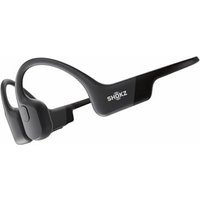
SHOKZ OpenRun Bone Conduction Headphones, Open-Ear Bluetooth Sports Earphones with Mic, IP67 Waterproof Wireless Headset for Running and Workout, 8H P
Amazon Sellers Programme (UK)