Contents (14 sections)
- What is Sports Performance?
- Set Clear Goals
- Prioritise Nutrition
- Incorporate Strength Training
- Focus on Mental Preparation
- Emphasise Recovery
- Track Your Progress
- Work with Professional Coaches
- Utilise Quality Gear
- Stay Consistent
What is Sports Performance?
Sports performance refers to an athlete's ability to execute skills and techniques during competition or training sessions. The concept encompasses physical, mental, and technical components crucial for success in any sports discipline. Understanding what influences sports performance, from physical fitness to psychological readiness, is essential for athletes aiming to improve their abilities. Research indicates that athletes focusing on their overall sports performance tend to show significant improvements in their results, reinforcing the importance of a well-rounded approach. Notably, the National Strength and Conditioning Association states that performance is optimally developed through specialised training regimes and tailored recovery protocols.
Set Clear Goals
Success in sports often hinges on the goal-setting process. Setting specific, measurable, achievable, relevant, and time-bound (SMART) goals can lead to improved performance metrics. For instance, rather than aiming to "get fitter," a swimmer might set a goal to reduce their 100m freestyle time by one second within three months. This clarity allows athletes to focus their training efforts and gauge their progress effectively. Studies show that athletes who set structured goals are more motivated and better prepared to face competition, highlighting the critical role of goal-setting in sports performance.
Prioritise Nutrition
Nutrition significantly impacts sports performance and should not be overlooked. Athletes require a balanced diet rich in carbohydrates, proteins, and healthy fats to fuel their training and recovery. For example, endurance athletes often benefit from a diet high in carbohydrates to sustain energy levels, while strength athletes need proteins to aid in muscle recovery and growth. Incorporating nutrient-dense foods like lean meats, fruits, vegetables, and whole grains into daily meals can make a considerable difference. Remember to stay hydrated; proper hydration can enhance performance by up to 30%, as studies have indicated.
Incorporate Strength Training
Strength training is pivotal for all athletes, regardless of their sport. Building muscle strength not only enhances athletic performance but also helps prevent injuries. A well-structured strength program should include exercises targeting major muscle groups relevant to the sport. For instance, a football player might focus on squats and deadlifts to improve leg power, while a tennis player might prioritise shoulder stability and core strength. According to the American College of Sports Medicine, integrating strength training into a routine can improve sports performance and reduce the risk of injury.
Focus on Mental Preparation
Mental resilience is just as important as physical training in sports. Techniques such as visualisation, mindfulness, and positive self-talk can improve an athlete's performance by enhancing focus and reducing anxiety. Athletes like Serena Williams have openly discussed the value of mental conditioning in achieving success. Regularly practising mental resilience techniques can assist in maintaining composure during high-stress situations like competitions. Research suggests that athletes who invest time in mental preparation tend to outperform their rivals, particularly in key competitive moments.
Emphasise Recovery
Recovery is often termed the "forgotten component" of sports performance. Ignoring recovery can lead to fatigue, decreased performance, and increased risk of injury. Implementing effective recovery strategies such as active rest, foam rolling, and adequate sleep can significantly impact an athlete's performance. The National Sleep Foundation recommends that athletes aim for 7-9 hours of quality sleep per night to optimise recovery and performance. Additionally, using recovery tools, such as compression gear or ice baths, can enhance the healing process after intense training sessions.
Track Your Progress
Monitoring performance metrics is essential for improvement. Keeping a training log can help athletes identify successful strategies and areas needing enhancement. Consider using performance apps that track workout details and physiological responses, thus providing valuable insights into training effectiveness. Analysing this data enables athletes to adapt their training programs based on evidence rather than anecdote. A recent study noted that athletes who regularly tracked their progress showed marked improvements in performance, illustrating the necessity of data in training.
Work with Professional Coaches
Collaborating with experienced coaches can provide athletes with tailored training plans and expert insights into their performance. Coaches can assist in identifying weaknesses and optimising training regimes for better physical capabilities. Engaging a professional coach, whether for skill development, sport-specific strategies, or mental training support, can be a game changer. Reports from organisations such as the British Coaching Summit show that athletes receiving structured coaching tend to reach their potential faster than those who train independently.
Utilise Quality Gear
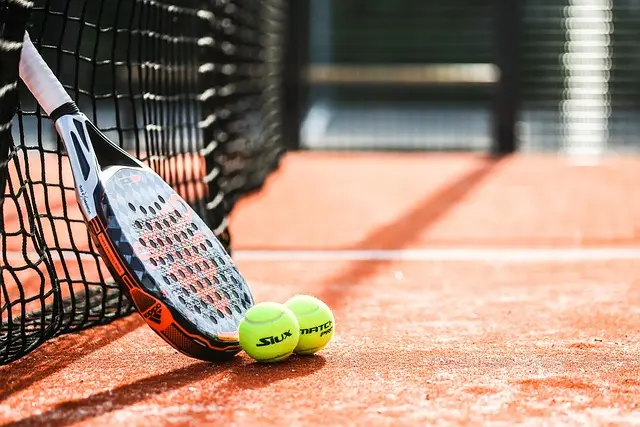
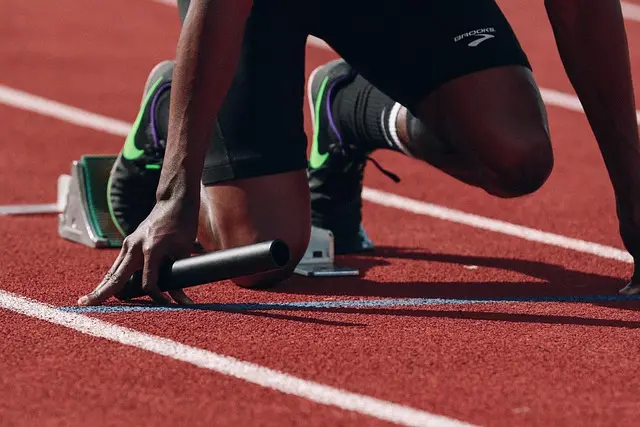
Using good quality sports gear can significantly contribute to overall performance. Sports technology, ranging from shoes designed for specific activities to wearable fitness trackers, can enhance performance. Quality gear can enhance comfort and prevent injuries, allowing athletes to perform at their best. It’s crucial to invest in the right equipment tailored to your sporting needs. For instance, proper footwear can improve stability and agility, which is vital in sports like basketball or football.
Stay Consistent
Consistency truly is the cornerstone of improvement. Establishing a regular training schedule, adhering to meal plans, and remaining committed to recovery practices yield long-term benefits. Regular participation in training not only develops skills but also builds confidence and mental toughness. As stated by sports psychologists, the process may be slow, but dedication and consistency often result in enhanced performance over time.
Checklist
- [ ] Set SMART goals for your training.
- [ ] Ensure your diet is well-balanced and nutritious.
- [ ] Incorporate strength training regularly.
- [ ] Focus on mental preparation techniques.
- [ ] Allocate time for recovery in your routine.
- [ ] Track your progress meticulously.
- [ ] Work with a professional coach for guidance.
- [ ] Use high-quality sports gear tailored to your sport.
- [ ] Maintain consistency in training and nutrition.
Glossary
| Terme | Définition |
|---|---|
| Sports Performance | L'aptitude d'un athlète à exécuter des techniques sportives et à atteindre des résultats optimaux. |
| Mental Preparation | Les techniques utilisées pour optimiser l'état mental d'un athlète avant et durant la compétition. |
| Recovery | Les stratégies mises en place pour permettre aux athlètes de régénérer leur corps après l'effort physique. |

Sony BRAVIA 8 II FWD-65XR8M2 165.1 cm (65") 4K Ultra HD Smart TV Wi-Fi Black
Back to the Office


Kingston Technology 256GB microSDXC Canvas Go Plus Gen4 200MB/s A2 U3 V30 Card + Adapter
Quzo UK
📺 Resource Video
>📺 For further insights: How Nutrition Impacts Sports Performance, a comprehensive analysis of dietary effects on athletes. Search on YouTube: "nutritional strategies for athletes 2026".
🧠 Quick Quiz: What's the most critical factor in improving sports performance?
- A) Gear Quality
- B) Consistency
- C) Mental Preparation
Answer: B — Consistency is essential for long-term improvement.
Recommended products
Selected by our experts

Kingston Technology 512GB microSDXC Canvas Go Plus Gen4 200MB/s A2 U3 V30 Card + Adapter
Quzo UK

Kingston Technology 256GB microSDXC Canvas Go Plus Gen4 200MB/s A2 U3 V30 Card + Adapter
Quzo UK

ASUS ROG Strix SCAR 16 G635LW-RW041W laptop Intel Core Ultra 9 275HX 40.6 cm (16") WQXGA 32 GB DDR5-SDRAM 2 TB SSD NVIDIA GeForce RTX 5080 Wi-Fi
Quzo UK